loading

BLOG

10 Best Printed Circuit Board Assembly Manufacturers?

Choosing a Printed Circuit Board Assembly partner is a production decision, not just a price comparison. A missed component, weak solder joint, or delayed test report can hold up an entire product launch. The stakes are growing: Grand View Research estimated the global printed circuit board market at $73.1 billion in 2023 and projected continued growth through 2030. That figure covers boards, not assembly services, so it signals demand rather than measuring contract manufacturers directly. The distinction matters.

IPC, the electronics industry association, publishes standards and market research that help manufacturers assess workmanship, process control, and supply-chain conditions. IPC President and CEO John Mitchell has described electronics as “the most important industry in the world.” That perspective underscores why dependable assembly matters, though it cannot tell buyers which supplier fits a particular project. Specifications can look excellent on paper. The factory floor tells more.

This guide examines 10 manufacturers through practical criteria: engineering support, component sourcing, prototype capability, production scale, inspection, and delivery performance. Buyers should ask how a supplier handles traceability, process changes, and defects—not only request a low quote. A polished website is not proof of consistent output. Nor does one delayed order define a company. There are limits to any ranking; capabilities vary by site, product, and workload. The best choice is the manufacturer whose verified processes match your board design, volume, and risk tolerance.

10 Best Printed Circuit Board Assembly Manufacturers?

What PCB Assembly Manufacturers Do

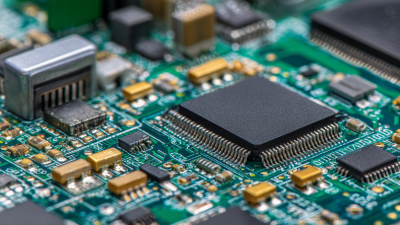
PCB assembly manufacturers turn bare printed circuit boards into working electronic assemblies. They source or receive components, place them on boards, and connect them using processes such as surface-mount reflow or through-hole wave soldering.

Small details matter. A misplaced resistor or weak solder joint can disrupt a product, even when the board looks clean. Before production, engineers review fabrication files, component lists, polarity marks, and assembly drawings. They may flag an unavailable part or footprint mismatch before it becomes an expensive production issue.

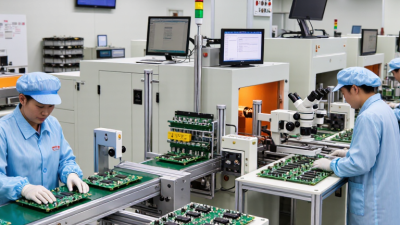
During a typical build, automated placement machines position tiny components while cameras check alignment. Boards then pass through a controlled oven, where solder paste melts and forms electrical connections. Larger parts may need hand placement or selective soldering.

After assembly, inspection can include optical checks, X-ray review of hidden joints, and electrical testing against the design. Not every manufacturer offers the same depth of testing, so buyers should ask what each test verifies and how failures are recorded.

A capable partner also tracks component lots, process settings, and rework history. That paper trail helps teams investigate problems. It is not a guarantee. Even careful factories can miss defects, and rushed design changes sometimes create avoidable confusion.

Key Criteria for Evaluating PCB Assembly Providers

Choosing a printed circuit board assembly provider requires more than comparing quotes. Review its process controls, engineering support, sourcing practices, and delivery performance. Ask for documented inspection steps, lot-level traceability, and clear defect reporting. Standards such as IPC-A-610 and J-STD-001 can help define workmanship expectations, but confirm the provider’s actual acceptance criteria. A certificate alone is not proof of consistent results.

Capacity matters, too. A 2024 Deloitte and The Manufacturing Institute report estimates that U.S. manufacturing may need 3.8 million workers by 2033, with 1.9 million jobs potentially unfilled. This workforce pressure makes it wise to check staffing plans, cross-training, and backup capacity—not just current output. Request evidence from comparable builds: first-pass yield, on-time delivery, and nonconformance trends. No metric tells the whole story. Even a polished audit can miss a weak handoff between engineering and production.

Tips: Share your bill of materials, board files, and expected volumes early. Ask how the team flags obsolete parts, tests prototypes, and handles design changes. Then verify the answers with a sample build or customer reference. A slightly awkward process may still work; unexplained answers deserve another look.

Key Criteria for Evaluating PCB Assembly Providers

Suggested evaluation weights for comparing providers. These are framework recommendations, not ratings of specific companies.

Prioritize quality systems, engineering support, and delivery performance, then adjust the weights to match your product’s risk, volume, and compliance requirements.

Ten Notable PCB Assembly Manufacturers

Ten notable PCB assembly manufacturers should be compared by production fit, not polished promises. A useful shortlist covers prototype builds, quick-turn orders, high-mix production, and larger production runs. It also includes teams experienced with rigid-flex boards, fine-pitch surface mounting, through-hole components, and complete product assembly. Strong candidates explain their inspection process and provide clear production records. Ask how they handle component substitutions, since a small change can affect board performance. Details matter. A connector’s alignment or a solder joint’s finish can reveal more than a sales presentation.

Tips: Send the same files and quantities to each manufacturer. Ask for a sample inspection report, lead-time estimate, and explanation of any extra charges. Check whether the quoted process matches your board’s materials and component spacing.

A capable manufacturer should review design files before production and flag unclear footprints or tight tolerances. Ask how defects are recorded, corrected, and reported. For repeat orders, consistent documentation helps teams compare builds and investigate changes. Some suppliers may be excellent at prototypes but less suited to steady volume; others may need more time for unusual board designs. No supplier is perfect. I would treat vague answers as a reason to ask sharper questions, not as proof of poor quality. Choose based on evidence from the actual project, including sample boards, communication, and realistic delivery estimates.

10 Best Printed Circuit Board Assembly Manufacturers? - Ten Notable PCB Assembly Manufacturers

No. Evaluation Dimension What to Look For Useful Evidence to Request
1 Surface-mount assembly Experience placing surface-mount components across the package types and board designs required by the project. Process capability details, sample inspection records, and references for comparable assemblies.
2 Through-hole assembly Support for through-hole parts, including the hand-soldering or wave-soldering processes appropriate to the design. Available soldering methods and documented workmanship inspection procedures.
3 Mixed-technology assembly Ability to assemble boards combining surface-mount and through-hole components, with a controlled process sequence. Process-flow documentation and examples of comparable mixed-technology work.
4 Production volume flexibility Whether the facility can support the required quantities, from prototype builds to repeat production, without assuming every provider offers the same range. Quoted minimum order quantities, typical lead-time assumptions, and production planning information.
5 Procurement and material control Options for turnkey, partial-turnkey, or customer-supplied components, plus controls for component traceability and substitutions. Procurement terms, lot-traceability practices, and approval procedures for alternate parts.
6 Inspection and testing Inspection and test options suited to the product, such as automated optical inspection, electrical testing, or functional testing. Inspection coverage, test-fixture responsibilities, and sample test reports.
7 Workmanship standards Clear agreement on applicable assembly acceptance criteria. IPC-A-610 addresses acceptability of electronic assemblies; J-STD-001 covers requirements for soldered electrical and electronic assemblies. The specified standard and revision, product class where applicable, and operator training or qualification records.
8 Quality management A quality system appropriate to the product and market. ISO 9001 is a general quality-management-system standard; certification is not universal and does not by itself guarantee product performance. Current certificate scope and issuing-body details, where certification is claimed, plus corrective-action procedures.
9 Design-for-manufacturing support Feedback on assembly risks such as component availability, board layout, solderability, and test access before production begins. Design-review checklist, review timing, and examples of documented manufacturing feedback.
10 Delivery and change control Transparent lead-time estimates and documented handling of engineering changes, revised files, and build approvals. Quotation assumptions, revision-control process, and communication or escalation procedures.

These are comparison criteria, not a ranked list of named suppliers. Capabilities, certifications, lead times, and service models vary by facility and should be confirmed for the specific project.

Comparing Capabilities, Services, and Production Scales

Choosing among ten printed circuit board assembly manufacturers requires more than comparing advertised capacity. Examine whether each supplier handles surface-mount, through-hole, or mixed-technology assemblies. Ask about minimum component sizes, board dimensions, and prototype turnaround. These details reveal whether a factory can build your design without excessive process changes.

Production scale matters. A small engineering team may value quick prototypes and direct design feedback, while a high-volume program needs stable line capacity and repeatable scheduling. Look for concrete services, such as component sourcing, stencil preparation, programming, and functional testing. Ask how inspection works: automated optical inspection can catch misplaced parts, while X-ray may help assess hidden solder joints. Useful records include lot traceability and documented test results. A certificate is helpful, but it does not replace evidence from your own product’s build.

Compare quotations carefully. Confirm tooling fees, material substitutions, order minimums, test-fixture costs, and how engineering changes affect delivery dates. Request a sample inspection report or discuss a small pilot run before committing to larger volumes. One detail is easy to miss. The largest stated monthly output does not necessarily mean the best fit; that shortcut can mislead. A supplier’s actual availability, communication, and experience with similar board complexity deserve equal attention.

How to Choose a Manufacturer for Your Project

Choosing a printed circuit board assembly manufacturer starts with your board, not a ranking. Share the Gerber files, bill of materials, expected annual volume, and target delivery dates. Ask whether the manufacturer can handle fine-pitch components, controlled impedance, and your required inspection steps. The right fit depends on the project. A low-volume prototype shop may not suit a fast ramp to production.

Fortune Business Insights estimated the global PCB market at USD 73.4 billion in 2023 and forecast USD 109.7 billion by 2032. That growth signals a competitive market, but it does not prove any supplier can meet your needs. Check documented processes against IPC-A-610 and J-STD-001 requirements. Request sample inspection records, component traceability, and a clear plan for handling defects. Specific evidence matters.

Visit the production floor if possible. Look for labeled reels, controlled storage, and clear separation between work orders. Ask how engineering changes are approved and how quickly you will receive notice of a parts shortage. Numbers need context. I would still test assumptions with a small pilot run; a polished audit packet can hide a weak handoff. Compare actual defect findings, delivery performance, and communication during that run before committing to larger volumes.

Chat Online
Chat Online
Leave Your Message inputting...
Thank you for your attention. Please kindly describe your question first, or please send your inquiry to our email sale@pcbledmodule.com, and we will reply to you ASAP. Welcome, what can I help you?
Sign in with: