Why Is Puffs Plus Vape Popular With Buyers?
Puffs Plus Vape attracts attention through familiar retail cues: compact devices, bright packaging, and flavor descriptions that are easy to recognize. Yet visibility is not proof of popularity. Reliable, independent sales figures specifically for Puffs Plus Vape are not readily available, so claims about market share should be treated cautiously. That distinction matters.
Broader data offer context, not product rankings. The 2024 National Youth Tobacco Survey, conducted by the CDC and FDA, estimated that 1.63 million U.S. middle and high school students currently used e-cigarettes. This figure describes the wider category, not Puffs Plus Vape buyers. It also signals why responsible coverage must discuss age and health, alongside consumer interest. Convenience and product design may influence adult shoppers, but those factors alone cannot establish safety or value.
Dr. Brian King, then director of the FDA’s Center for Tobacco Products, said, “The FDA is committed to protecting the public health, especially the health of youth, from the dangers of tobacco products.” His statement addresses tobacco products broadly; it is not an endorsement or assessment of Puffs Plus Vape. Buyers should check product details and applicable age requirements, and avoid treating marketing claims as independent evidence. A colorful label tells only part of the story. Popularity can be difficult to measure. The available public data do not settle the question for this brand.
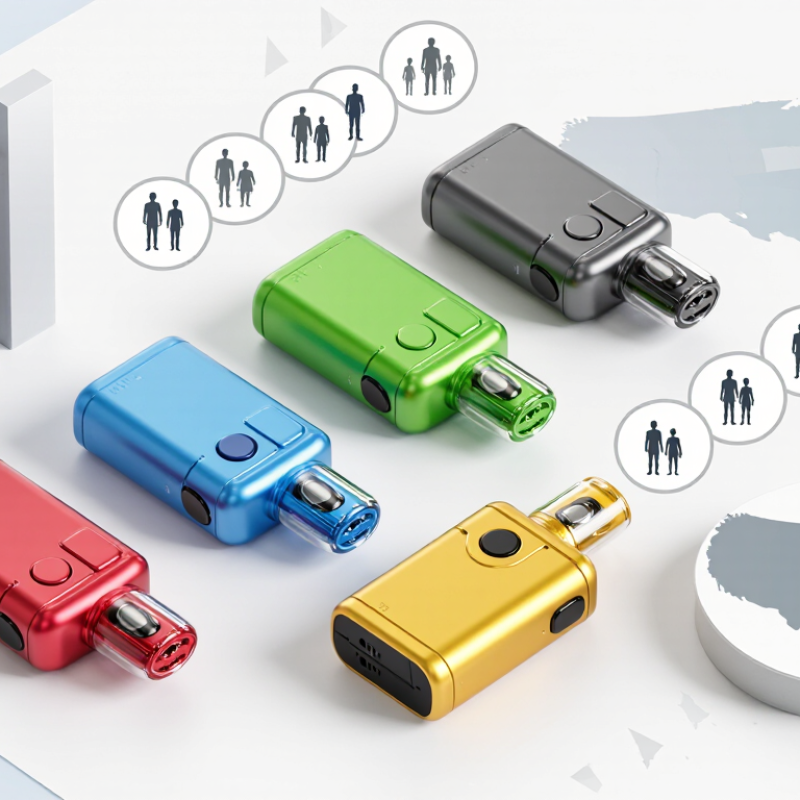
Product Overview: Puffs Plus in the U.S. Disposable-Vape Market
Disposable vapes occupy a visible place in the U.S. market because they are compact and require little setup. Buyers may notice the small shape, prefilled format, and range of advertised flavors. These features can make the category seem convenient, but convenience does not establish product quality or safety. Details vary between products, and packaging can be difficult to compare at a glance.
A careful overview should consider nicotine content, ingredient disclosures, and clear manufacturer information. Nicotine can cause dependence, and vaping is not risk-free. Product labels may not answer every question; that is worth remembering. Market popularity can reflect availability and presentation, rather than independent evidence of benefits. Adults who do not use nicotine should not begin using it, and these products should be kept away from children and pets.
Tips: Check the package for nicotine information and age restrictions before making any decision. Avoid products with unclear labeling or damaged packaging. Keep devices secured, and follow local disposal guidance rather than putting batteries in household trash. If a label seems vague, pause and seek reliable public-health information.
Flavor Appeal in Context: 89.4% of Youth E-Cigarette Users Chose Flavors in 2023
The cited 2023 figure reports that 89.4% of youth e-cigarette users chose flavored products. That describes choices among young people who already used e-cigarettes; it does not mean most young people vape. Sweet, fruit-like, mint, or cooling notes can soften harsh sensations and make a product seem more approachable. A familiar aroma may also feel less clinical.
This percentage is concerning, but it does not prove that flavor alone caused use. Survey results depend on who was asked, how questions were worded, and which products were included. Flavor preference says nothing about safety. Vaping can expose users to addictive nicotine and substances that may irritate the lungs. Young people’s brains are still developing, so nicotine deserves particular caution.
Tips: Treat flavor preference as a sensory choice, not a safety signal. Check the original survey’s date and population. If you do not vape, do not start; if you want to quit, seek support from a qualified health professional.
| Why Is Puffs Plus Vape Popular With Buyers? - Flavor Appeal in Context: 89.4% of Youth E-Cigarette Users Chose Flavors in 2023 |
| Data Dimension | 2023 Finding | Context |
| Use of flavored e-cigarettes | 89.4% | Reported by current U.S. middle and high school e-cigarette users surveyed in 2023. |
| Population measured | Current youth e-cigarette users | The percentage describes e-cigarette users in the survey, not all youth or all people who buy vaping products. |
| Survey year and scope | 2023; United States | The finding comes from the National Youth Tobacco Survey of middle and high school students. |
| What the figure indicates | Flavors were widely reported among youth users. | This is a population-level finding about flavored e-cigarette use. It does not measure preference for, or popularity of, any specific product or brand. |
| How to interpret the title | General flavor appeal provides context. | The survey statistic cannot establish why buyers choose a particular product, nor does it show that the figure applies to adult buyers. |
| Source: Centers for Disease Control and Prevention, National Youth Tobacco Survey, 2023. The 89.4% figure refers to current youth e-cigarette users who reported using flavored e-cigarettes. |
Convenience and Format: Disposables Were 55.6% of Youth Users’ Usual Devices
Disposable devices appeal through a simple routine: open the package, use the device, and avoid refilling or carrying separate liquid. A compact shape can fit beside keys or a transit card. Few steps matter when buyers value portability and predictable handling. That convenience, however, does not establish safety or explain every purchase.
The 55.6% figure in the subtitle points to a wider pattern. The CDC and FDA’s 2023 National Youth Tobacco Survey identified disposables as the most commonly used device type among current youth e-cigarette users. This statistic describes youth use, not adult buyer preference, and it should not be treated as evidence of product quality. Format may help explain familiarity: a ready-to-use device asks less of the user than a refillable system. But easy handling can also make repeated use feel routine. That deserves scrutiny. Survey results capture reported behavior at a point in time; they do not tell us why each person chose a device, or how use changes over time.
Buyer Interest and Public Health: 2.13 Million U.S. Students Vaped in 2023
In 2023, an estimated 2.13 million U.S. middle and high school students reported current e-cigarette use. “Current” means use on at least one day during the previous 30 days; it does not describe daily use. The figure, reported by the National Youth Tobacco Survey, signals a serious public-health concern. It does not tell us why each student tried vaping, or which products they used.
Among adult consumers, interest in vaping products may reflect flavors, compact designs, or easy-to-carry devices. But appealing packaging can make nicotine seem less risky than it is. Nicotine can affect the developing brain, and many vaping products contain it. Youth access and exposure deserve particular attention. That distinction matters. Buyers’ curiosity is not evidence of safety, and popularity should not be mistaken for health guidance. I still think the reasons people try these products deserve closer study.
Tips: Check nicotine and ingredient information, and keep products away from children and teens. If someone wants help quitting, a healthcare professional or a reliable public-health service can offer evidence-based support. Teens can speak with a trusted adult or health professional.
U.S. Students Who Currently Vaped in 2023
In 2023, an estimated 2.13 million U.S. middle and high school students used e-cigarettes. The chart shows the percentage who reported current use by school level; these figures describe student use, not buyer interest in any brand.
Source: CDC and FDA, 2023 National Youth Tobacco Survey. Overall estimate: 7.7% of students.
Regulatory Status, Nicotine Content, and FDA/CDC Health Guidance
Interest in disposable and pod-style vapes may reflect their compact size and simple packaging. But popularity does not establish safety or regulatory approval. In the United States, FDA marketing authorization applies to specific products, not every device in a category. Check current FDA records and the product’s exact name; a familiar design is not proof of authorization. Rules also vary by location and can change.
Nicotine content differs across products and may be listed as a concentration or total amount. Read the label carefully, and do not assume that a smaller device contains less nicotine. Nicotine is addictive, and exposure can be especially harmful for young people and during pregnancy. The CDC advises people who do not use tobacco products not to start vaping. It is worth saying plainly: aerosol is not harmless water vapor. Labels can be confusing, too.
Tips: Verify the exact product and nicotine information through official sources, keep devices away from children and pets, and seek advice from a qualified health professional if you have questions. Do not rely on online reviews to assess health risks. If quitting nicotine is your goal, ask a clinician about evidence-based support; vaping is not risk-free, and product contents may be difficult to judge.