

loading

BLOG

Why Choose Chemical Mechanical Seals?

Choosing the right seal can determine whether a chemical process runs safely, efficiently, or stops unexpectedly. Chemical Mechanical Seals are designed for demanding environments where corrosive liquids, abrasive particles, pressure, and heat challenge ordinary sealing methods. They help contain hazardous fluids while reducing leakage, product loss, and unplanned maintenance.

R. A. Flitney, author of the respected Seals and Sealing Handbook, is widely associated with the principle, “Sealing is a system, not merely a component.” This idea explains why Chemical Mechanical Seals deserve careful evaluation. Their performance depends on face materials, elastomer compatibility, shaft alignment, pressure control, lubrication, and installation quality. A premium seal cannot correct poor equipment design.

The details matter.

In practical applications, operators may notice a stable seal through a dry pump housing, consistent pressure readings, and fewer emergency shutdowns. In chemical plants, selecting silicon carbide, tungsten carbide, graphite, or advanced elastomers can influence service life. The correct choice depends on the actual medium, temperature, pressure, and operating cycle.

Still, no seal is universally perfect. Some designs offer excellent chemical resistance but require higher installation accuracy. Others reduce friction yet perform poorly with abrasive solids. This uncertainty should encourage testing, not guesswork. Engineers should review operating data, consult reliable manufacturers, and verify performance under realistic conditions. That process supports safer decisions and stronger long-term reliability.
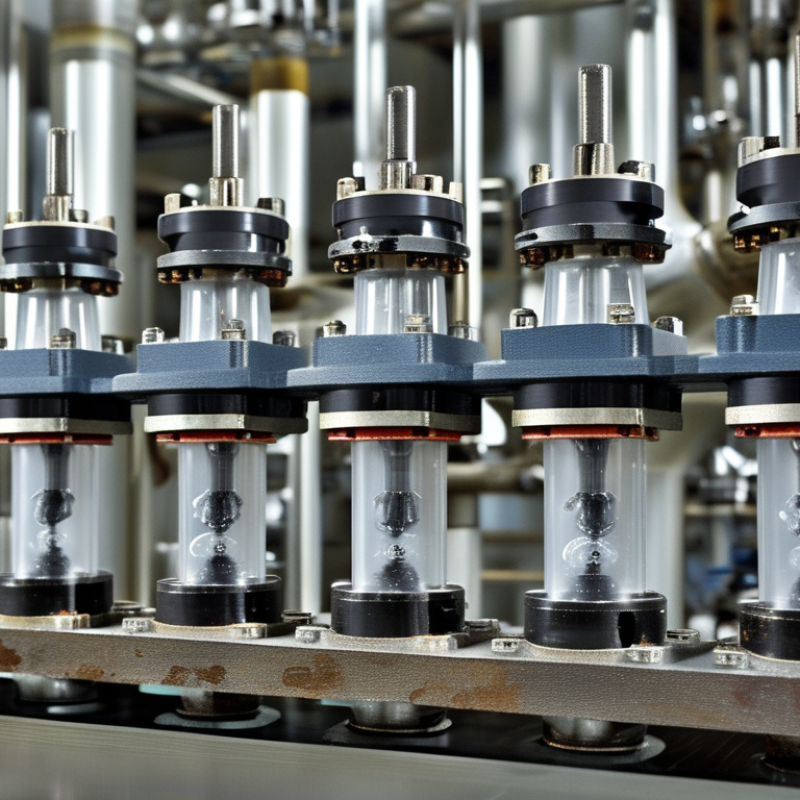
Why Choose Chemical Mechanical Seals?

What Are Chemical Mechanical Seals and How Do They Work?

Why Choose Chemical Mechanical Seals?

What Are Chemical Mechanical Seals and How Do They Work?

Chemical mechanical seals are engineered barriers used around rotating shafts in pumps, mixers, and reactors. They prevent process liquids from escaping where the shaft passes through the equipment housing. This matters when the liquid is corrosive, toxic, volatile, or simply expensive.

A typical seal uses two extremely flat faces. One face rotates with the shaft, while the other remains fixed. A spring pushes them together, creating a controlled closing force. During operation, a microscopic liquid film forms between the faces. This film reduces friction and heat while limiting leakage. Secondary seals, such as elastomer rings, close gaps around stationary parts. The selected materials must match the chemical, temperature, pressure, and shaft speed.

Good engineering begins with the process, not the seal catalogue. Field experience shows that fluid concentration and temperature changes can alter seal performance quickly. Poor flushing, dry running, vibration, or incorrect installation may damage the faces within minutes. Chemical compatibility also requires careful review; one material may resist the liquid but swell under heat. Mechanical seals are not magic.

Operators should monitor leakage, noise, temperature, and vibration during service. A slight change can reveal face wear or unstable operating conditions. Regular inspection helps, but inspection alone cannot fix poor equipment alignment. The best seal choice balances containment, maintenance access, operating cost, and realistic process conditions.

Which Chemical Environments Require Specialized Mechanical Seals?

Why Choose Chemical Mechanical Seals?

Which Chemical Environments Require Specialized Mechanical Seals?

Chemical mechanical seals become essential when ordinary elastomers, metals, or faces cannot tolerate the process fluid. Strong acids and concentrated alkalis can attack sealing materials gradually. The damage may begin as swelling, hardening, or tiny surface cracks. Solvents create different risks. They can extract additives from elastomers and reduce elasticity. Small changes matter.

High-temperature fluids require careful material selection. Heat can accelerate chemical reactions and distort secondary seals. Oxidizing chemicals may degrade carbon-based components faster than expected. Slurries add another problem. Suspended crystals or abrasive particles can score seal faces and create leakage paths. In these services, engineers may specify corrosion-resistant alloys, ceramic faces, or chemically compatible elastomers.

Clean processing environments also need specialized designs. Pharmaceutical, food, and high-purity chemical systems may require smooth surfaces, drainable chambers, and minimal dead space. Cleaning chemicals can be more aggressive than the product itself. A seal that survives production may fail during sanitation. That is easy to overlook.

Actual operating conditions should guide the decision. Temperature swings, pressure changes, dry running, and shaft movement can alter performance. Compatibility charts help, but they are not perfect. Concentration, contamination, and exposure time can change the result. A careful review of fluid data, equipment history, and maintenance observations is more reliable than choosing by chemical name alone. Mistakes happen. The seal should be checked against the real process, not an idealized one.

Why Choose Chemical Mechanical Seals?

Chemical mechanical seals are required when corrosive fluids, elevated temperatures, abrasive solids, hazardous leakage risks, or strict cleanliness requirements exceed the limits of standard sealing systems. The chart uses a practical 1–5 engineering screening scale, where 5 indicates a stronger need for specialized materials, face combinations, cooling, or barrier-fluid systems.

How Do Chemical Mechanical Seals Improve Equipment Performance?

Chemical mechanical seals improve equipment performance by controlling leakage between rotating shafts and stationary housings. They create a precise sealing interface, often using carefully selected face materials and elastomers. This barrier protects pumps, mixers, and reactors from process fluid loss. It also reduces the risk of outside contamination entering the equipment.

In field maintenance, reliable seals often mean fewer shutdowns and cleaner operating areas. Lower leakage can preserve fluid pressure and reduce product waste. Properly fitted faces also limit friction, helping control heat generation and shaft wear. Stable temperatures matter. Excess heat can damage nearby bearings, distort components, or shorten lubricant life. A well-designed seal supports smoother operation under changing pressure and speed.

Performance depends on more than the seal itself. Engineers must check chemical compatibility, temperature, pressure, shaft movement, and installation accuracy. Poor alignment can create uneven face loading. Dry running can cause rapid damage. A seal is not a magic fix. I have seen maintenance plans focus on replacement while ignoring vibration and pipe strain. That mistake can repeat the failure. Regular inspection of leakage, vibration, and temperature provides useful evidence before serious damage develops. Material selection should follow verified operating data, not assumptions based on fluid names alone. Small details matter.

What Materials and Designs Are Used in Chemical Mechanical Seals?

Why Choose Chemical Mechanical Seals?

Chemical mechanical seals use carefully matched materials to control leakage around rotating shafts. In chemical service, material selection matters more than appearance. Carbon faces often provide low friction, while silicon carbide handles abrasive particles and demanding temperatures. Tungsten carbide can resist wear under heavy loading. Ceramic may suit cleaner fluids, but it can crack after thermal shock.

Elastomers also require close attention. EPDM performs well with many water-based chemicals, while FKM suits numerous oils and higher-temperature applications. PTFE offers broad chemical resistance, although it can deform under pressure or repeated heat cycles. Hastelloy and stainless steel components may protect springs and holders from corrosion. The correct choice still depends on concentration, temperature, pressure, and shaft speed. Small changes matter.

Design affects reliability in the field. Balanced seals reduce face loading at higher pressures. Cartridge designs simplify installation and help maintain alignment. Double seals can use a barrier fluid when leakage control is critical. A flush arrangement may prevent crystallization from building around the seal faces. However, more protection means more equipment, monitoring, and maintenance. That tradeoff is easy to underestimate. A seal can fail even with excellent materials if the pump vibrates, runs dry, or suffers poor alignment. Reviewing operating records, fluid samples, and installation conditions usually reveals more than a catalog alone.

How Should You Select and Maintain a Chemical Mechanical Seal?

Chemical mechanical seals protect pumps from leakage, contamination, and costly process interruptions. Selection should begin with the fluid, not the equipment catalog. Record concentration, temperature, pressure, viscosity, solids, crystallization risk, and shaft speed. A seal handling dilute acid may fail quickly in concentrated service. Face materials, elastomers, and metal parts must match the actual chemistry.

Use recognized engineering guidance, such as API 682, when the service is demanding. The U.S. Department of Energy reports that pumping systems can consume about 25% of industrial electricity. Efficient sealing supports lower losses, but efficiency depends on correct installation. Check shaft runout, gland alignment, and flush pressure. Never allow the faces to run dry. Small details matter.

Maintenance begins before the first leak. Inspect the flush line for blocked orifices and verify clean fluid flow during every planned shutdown. Watch for heat marks, crystal deposits, vibration, and a sudden change in leakage rate. Keep a simple record of operating hours and failure conditions. It exposes patterns that memory misses. According to API 682 guidance, seal support systems require controlled monitoring, not occasional attention. In practice, maintenance teams sometimes replace the seal too quickly. The real cause may be cavitation, pipe strain, or misalignment. That mistake is common, and expensive. A practical review after each failure improves the next selection.

Why Choose Chemical Mechanical Seals? - How Should You Select and Maintain a Chemical Mechanical Seal?
Decision or Maintenance Dimension Recommended Practice Typical Data or Selection Range Why It Matters in Chemical Service
Primary sealing function Select a mechanical seal that creates a controlled interface between the rotating shaft and stationary housing. Designed to reduce leakage while allowing shaft rotation with low friction. Helps limit product loss, emissions, contamination, and exposure to hazardous or corrosive fluids.
Fluid identification Document the exact liquid composition, concentration, temperature, viscosity, solids content, crystallization tendency, and toxicity before specifying the seal. Do not select a seal from the chemical name alone; concentration and operating temperature can change compatibility. The same chemical may require different materials at different concentrations or temperatures.
Seal arrangement Use a single seal for relatively clean, non-hazardous services when limited leakage is acceptable. Consider a double seal for hazardous, volatile, toxic, abrasive, or crystallizing fluids. Single seal: one sealing interface. Double seal: two interfaces with a barrier or buffer fluid system. A double arrangement can provide additional containment and protect the primary seal faces from difficult process conditions.
Seal face materials Match the face combination to fluid chemistry, lubrication quality, pressure, temperature, and solids. Common face materials include carbon, silicon carbide, and tungsten carbide. Typical pairings should be confirmed by the seal designer. Face selection affects wear rate, heat generation, chemical resistance, and resistance to dry running or abrasive particles.
Elastomer selection Choose the O-ring or secondary sealing material using a verified chemical-compatibility chart and actual operating conditions. Common elastomer families include EPDM, FKM, and perfluoroelastomer compounds; suitability varies by chemical, temperature, and concentration. Elastomer swelling, hardening, cracking, or extrusion can cause rapid leakage even when the seal faces are suitable.
Metal and spring materials Use corrosion-resistant metal components suitable for the process liquid and cleaning chemicals. Frequently used options include stainless steels and higher-alloy materials for more demanding chemical environments. Corrosion of springs, clips, pins, or gland components can weaken the seal and make maintenance unsafe.
Pressure rating Specify the maximum operating pressure, pressure fluctuations, suction conditions, and pressure direction. Use the manufacturer’s certified pressure limit for the exact seal design; do not rely on a generic rating. Excessive pressure can deform faces, overload secondary seals, and cause leakage or face separation.
Temperature rating Base the selection on the highest continuous temperature, start-up temperature, shutdown temperature, and transient excursions. Consider both the process temperature and heat generated at the seal faces. Temperature affects elastomer life, lubricant viscosity, face distortion, vapor formation, and chemical compatibility.
Shaft speed and size Provide shaft diameter, rotational speed, shaft runout, sleeve condition, and equipment type. Seal performance depends on speed, face diameter, balance ratio, and available cooling or lubrication. High speed increases heat generation and may require improved face materials, cooling, or a different seal design.
Solids and abrasives Identify suspended solids, crystals, fibers, and polymerizing material. Use a suitable flushing or separation arrangement where necessary. Hard solids can damage faces; crystallizing fluids may require controlled flushing or heating. Contamination between the seal faces can create scoring, leakage paths, and accelerated wear.
Flush and barrier systems Use clean flush, quench, buffer, or barrier systems when required by the process and seal arrangement. Maintain the specified flow, pressure, cleanliness, and temperature for the selected system. Proper fluid management removes heat, prevents crystallization, and keeps hazardous process fluid away from the atmosphere.
Installation inspection Check shaft runout, sleeve condition, gland alignment, face cleanliness, gasket placement, and spring orientation before start-up. Use equipment and seal tolerances supplied for the specific design; avoid metal tools on precision sealing faces. Misalignment, scratches, dirt, or incorrect compression can cause leakage from the first operating cycle.
Start-up procedure Confirm that the pump is primed, the seal chamber is filled, the flush or barrier system is operating, and the shaft rotates freely. Never intentionally run a conventional liquid-lubricated mechanical seal dry. Dry running can generate destructive heat and damage seal faces within a short period.
Routine monitoring Record leakage, temperature, vibration, pressure, flush flow, barrier pressure, and changes in operating sound. Establish baseline readings after commissioning and trend deviations over time. Small changes often indicate face wear, plugged flush lines, cavitation, misalignment, or process upset.
Leakage response Investigate increasing leakage promptly. Isolate, depressurize, drain, and decontaminate the equipment before attempting repair. Do not tighten gland fasteners as a substitute for diagnosis unless the seal design specifically permits adjustment. Excessive tightening can distort the seal, overload the faces, and create a more serious failure.
Maintenance interval Use condition-based maintenance whenever reliable monitoring is available, supported by scheduled inspections during planned shutdowns. There is no universal replacement interval; service life depends on chemistry, speed, temperature, pressure, installation, and operating practice. Replacing seals only by calendar time may waste serviceable parts or miss failures developing under severe conditions.
Replacement criteria Replace damaged faces, hardened or swollen elastomers, corroded springs, worn drive components, and distorted gaskets. Inspect mating faces for scoring, chipping, blistering, uneven wear, and thermal damage. Reusing compromised components can produce repeat leakage and unplanned downtime.
Safety and documentation Maintain chemical safety information, seal specifications, installation records, inspection results, and maintenance history. Use the current safety data sheet and site isolation procedures before opening chemical equipment. Accurate records support safer maintenance, faster troubleshooting, regulatory compliance, and better future seal selection.
Selection note: The values and material families shown are general engineering guidance. Final selection must be confirmed against the exact chemical concentration, operating conditions, equipment design, applicable safety requirements, and the seal manufacturer’s certified limits.
Chat Online
Chat Online
Leave Your Message inputting...
Thank you for your attention. Please kindly describe your question first, or please send your inquiry to our email sale@pcbledmodule.com, and we will reply to you ASAP. Welcome, what can I help you?
Sign in with: