
English


Choosing an oil-immersed transformer is not simply a matter of selecting a familiar design. It is a decision about heat, insulation, installation, and long-term maintenance. In an Electric Transformer Oil-Immersed Transformer, oil helps insulate energized components and carry heat away from the core and windings. That matters when equipment must handle substantial loads over many years. But the right choice depends on the project, not on a general claim that one transformer type is always better.
S. V. Kulkarni, author of Transformer Engineering: Design and Practice, is a useful technical reference for evaluating transformer design. The line below is an editorial summary, not a verified quotation: “A transformer’s performance depends on sound design, suitable materials, and operating conditions working together.” That distinction matters. A made-up quotation should not be presented as an expert’s actual words.
In practice, compare the expected load, site conditions, cooling needs, and maintenance resources. Picture a transformer operating through a hot afternoon while its oil circulates heat away from the windings. Then consider the less visible details: oil quality checks, leak prevention, and safe equipment placement. These details can shape a project’s real costs.
Oil-immersed units can be a strong fit. Still, oil is not magic. They may require more attention to containment and upkeep than some alternatives, and the installation environment matters. A careful project review should weigh performance against those practical demands. The best decision is the one supported by load data, qualified engineering review, and a realistic maintenance plan.
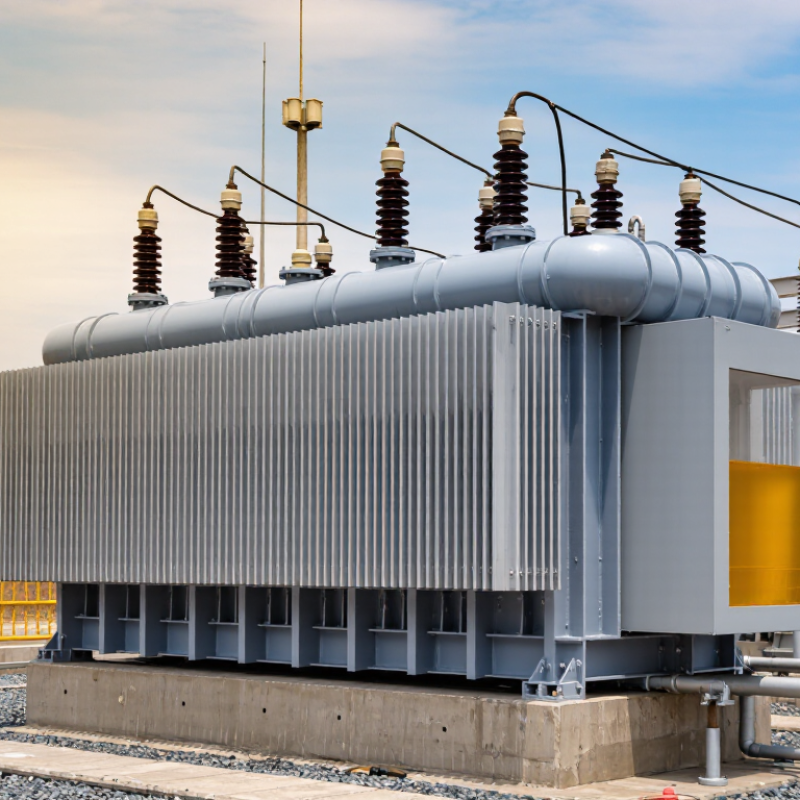
What Is an Oil-Immersed Transformer?
An oil-immersed transformer places its magnetic core and copper windings inside a tank filled with insulating liquid. The liquid helps prevent electrical breakdown and carries heat away from the windings. Radiator panels then release that heat into the surrounding air. On a site visit, you may notice those fins, the tank’s temperature gauges, and—on some designs—a conservator tank above the main body. The liquid is commonly mineral oil or an ester fluid; the right choice depends on operating conditions and maintenance plans. The fluid matters. Oil immersion does not mean the unit can be ignored: leaks, moisture, and aging insulation still need attention.
These transformers are used in substations and industrial facilities where high capacity and outdoor installation are important. Their cooling system can support compact designs, but the tank’s weight, fire precautions, and access for inspection should shape the project layout. DOE’s 2024 distribution-transformer standards analysis projects 10.9 quadrillion Btu in cumulative energy savings over 30 years across covered equipment. That figure concerns regulated distribution transformers generally, not oil-immersed units alone; efficiency still depends on the selected design and load. Not a cure-all. Ask for guaranteed loss figures, cooling details, and a maintenance schedule before comparing bids. A small omission in the specification can become a costly surprise.
| Aspect | Oil-Immersed Transformer | Project Consideration |
|---|---|---|
| What it is | A transformer whose core and windings are immersed in insulating liquid inside a sealed or conservator-type tank. | The liquid provides electrical insulation and helps carry heat away from the active parts. |
| Cooling | Heat is transferred from the windings to the liquid and then to the tank, radiators, or other cooling equipment. Some designs use natural circulation; others use pumps or fans. | Confirm the cooling arrangement and rated capacity against the expected load, ambient conditions, and installation layout. |
| Typical applications | Commonly used in utility substations, outdoor installations, industrial facilities, and distribution networks. | Often suitable where outdoor placement, higher power capacity, or liquid-based cooling aligns with site requirements. |
| Installation environment | Frequently installed outdoors, though indoor use is possible when the design and site provide appropriate containment, ventilation, and fire-safety measures. | Review local electrical and fire codes, clearances, access for maintenance, and any requirements for an oil containment system. |
| Fire and environmental planning | Mineral insulating oil is combustible. Alternative insulating liquids may be available, but their properties and approvals vary by product and application. | Assess fire protection, spill prevention, drainage, and environmental regulations for the selected liquid and site. |
| Maintenance | Maintenance can include leak inspections, liquid-level checks, and condition testing of the insulating liquid, as specified by the manufacturer and maintenance plan. | Plan for qualified personnel, safe access, test intervals, records, and appropriate handling of used insulating liquid. |
| Efficiency and loading | Efficiency depends on the transformer design, rating, operating voltage, load profile, and losses; the presence of insulating liquid alone does not determine efficiency. | Compare certified loss data and expected operating costs for the actual load profile rather than relying on transformer type alone. |
| Oil-immersed vs. dry-type | Oil-immersed units use insulating liquid for insulation and heat transfer; dry-type units use solid insulation and air or other cooling methods. | Choose based on capacity, location, fire strategy, environmental conditions, maintenance resources, and applicable standards. |
| Selection checklist | Verify voltage ratio, power rating, frequency, impedance, tap range, cooling method, applicable standards, site conditions, protection requirements, and installation clearances with a qualified electrical engineer. | |
QUICK LINKS
CONTACT US
Office: (+86) 755 23040566
Tel: (+86) 158 9965 5195
E-mail: sale@pcbledmodule.com
Skype: Hans@Rocket-PCB
Whatsapp: 86 1589965 5195
Office Address: 2207,Bid 4,He Gu Shan Hui Cheng,35#,Guang Tian RoYanluo street, Song Gang Town,518105 SHENZHENG, CHINA
Plant ADD.: No 69, Lianfeng North Road, Xianxi Area, ChangAn Town, Dongguan, China.


Copyright © 2025 Rocket PCB Solution Ltd. | All Rights Reserved Sitemap Friendship link: CNC machining heat sink

