
loading

BLOG

Why Choose a Hanging Tent Lamp for Camping?

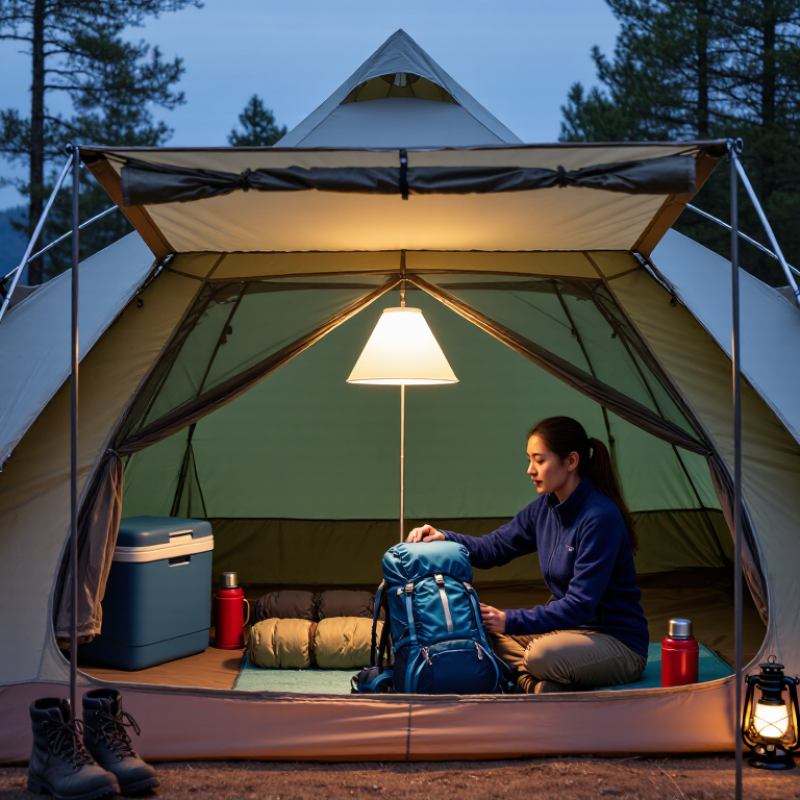
Camping changes after sunset. A familiar campsite becomes quieter, darker, and harder to navigate. An effective Hanging Tent Lamp can make that transition safer and more comfortable. It illuminates cooking areas, sleeping spaces, and entry points without demanding a handheld flashlight.

Outdoor lighting engineer Dr. Maya Chen explains, “For tent lighting, controlled brightness matters more than maximum brightness.” That principle deserves attention. A powerful lamp may create glare, disturb nearby campers, and drain its battery quickly. A well-designed Hanging Tent Lamp spreads a softer beam across the tent ceiling. It leaves fewer harsh shadows around bags, zippers, and sleeping mats.

Look for practical details. A secure hook prevents the lamp from swinging during windy weather. Several brightness settings support reading, dressing, or quiet conversation. Warm light can feel gentler at night, while a red mode may help protect night vision. Check the battery rating before leaving home. Cold temperatures can reduce runtime.

Small choices matter.

However, no lamp solves every camping problem. A hanging model may be less useful outside the tent, and some hooks feel fragile after repeated use. Test the lamp at home first. Hang it from different points and inspect the switch with cold hands. Consider weather resistance, charging access, weight, and repairability.

The best choice is not always the brightest one. It should match your shelter, routine, and campsite rules. This guide examines why a Hanging Tent Lamp can improve camping, while acknowledging where its convenience has limits.
Why Choose a Hanging Tent Lamp for Camping?

What Is a Hanging Tent Lamp?

A hanging tent lamp is a compact light designed to suspend inside a tent. It usually combines a rechargeable battery, LED light source, hook, and protective diffuser. The hook positions light above head level, while the diffuser softens harsh glare. Unlike a handheld torch, it spreads illumination across sleeping areas, bags, and tent doors. That broad beam is the main reason campers carry one. Some models offer adjustable brightness or red light for quieter nighttime use.

From my camping experience, placement matters as much as brightness. I hang the lamp near the tent roof, but away from wet fabric and loose gear. A warm, moderate setting makes reading notes or finding socks easier without lighting the whole campsite. Battery capacity should be checked against the trip length and expected temperature. Cold nights can reduce runtime. A sturdy hook and simple switch also matter when hands are dusty or cold. I once chose the brightest setting and regretted it; the battery faded before dawn.

For dependable use, look for a sealed housing, stable suspension, and clear charging information. Water resistance is useful, but it does not mean the lamp belongs in heavy rain. Keep charging ports covered, inspect the cord, and follow the battery instructions. Safety depends on more than specifications. A lamp that swings in wind may cast distracting shadows, so a small stabilizing loop helps. The ideal hanging tent lamp is not necessarily the brightest. It should provide even light, predictable runtime, and easy handling when the campsite becomes dark.

How Does a Hanging Tent Lamp Improve Campsite Lighting?

A hanging tent lamp improves campsite lighting by spreading light from above. This reduces harsh shadows around sleeping bags, cooking tools, and tent entrances. During a recent evening outdoors, I hung one from the tent’s center loop. The fabric glowed softly, and everyone could find their belongings without using a phone flashlight. It felt calmer, too.

Position matters more than brightness. A central location gives more even coverage, while a low hook helps illuminate floor-level items. For cooking or reading, I move the lamp closer to the working area. Keep it away from flammable materials and choose a model designed for outdoor use. A stable hook is essential. A loose lamp can swing in wind.

Warm light is easier on tired eyes, especially after sunset. Adjustable brightness also saves battery power during longer trips. Some lamps offer emergency modes, but I rarely need them. My first setup was not ideal; the lamp hung too high and left the tent floor dim. I had assumed brighter meant better. It did not. Checking battery levels before departure and carrying a small backup light makes the arrangement more reliable. A rain-resistant design is helpful, although no lamp should be treated as completely waterproof without clear specifications.

Which Features Make a Hanging Tent Lamp Practical?

Why Choose a Hanging Tent Lamp for Camping?

A practical hanging tent lamp should make camp life easier, not add another delicate item to manage. During evening trips, I look for a compact lamp with a strong hanging loop and a stable switch. The loop should fit a tent ridge line, branch, or interior hook. A broad diffuser helps spread light across sleeping bags and gear. Harsh, narrow beams can create shadows and disturb tired eyes.

Battery performance matters more than impressive brightness. Choose adjustable settings, including a low mode for reading and a brighter mode for cooking nearby. A lamp with a clear runtime indicator prevents unexpected darkness. Rechargeable power is convenient, but a replaceable battery option may help on longer trips.

Check the charging port carefully. Loose covers can collect moisture. Water resistance is useful, though it does not make the lamp suitable for heavy rain.

I also prefer simple controls that work with cold or damp fingers. Large buttons are better than tiny touch panels. A warm light setting can make a tent feel calmer at night. However, warm light may not show small details clearly. I once chose a lamp that was too bright for sleeping, despite its excellent battery life. That mistake changed how I judge camping lights. Weight, heat control, and repairable parts deserve attention too. A reliable lamp should hang securely and stay cool during extended use.

How Can Campers Use a Hanging Tent Lamp Safely?

A hanging tent lamp gives campers hands-free light for cooking, reading, and organizing gear. LED models usually produce less heat than traditional bulbs. Still, “cool” does not mean risk-free. The NFPA report Home Fires Involving Lighting Equipment estimated 12,910 U.S. home structure fires annually from 2015 to 2019. These incidents caused about 470 deaths and 1,100 injuries. Camping conditions differ, but the figures show why lighting deserves attention.

Choose a lamp with a secure hook, protected wiring, and clear battery instructions. Hang it from a strong loop, not a thin rainfly seam. Keep it away from canvas, sleeping bags, and loose clothing. Leave several inches of open space around the lamp. Never cover it with fabric to soften the glare. A small piece of mesh can catch heat and become a hidden problem. I have seen campers focus on brightness and forget stability.

Inspect the battery compartment before every trip. Replace damaged cells, and stop using the lamp if it becomes unusually hot, swollen, or cracked. CPSC lithium-ion battery guidance recommends using compatible chargers and avoiding damaged batteries. Charge batteries on a nonflammable surface, preferably outside the tent. Keep spare cells dry and separated from metal objects. Use the lamp’s water-resistance rating honestly; light rain is not submersion. Turn it off before sleeping unless continuous illumination is essential, and keep a headlamp nearby for emergencies. A safety checklist feels excessive until one loose hook drops beside a sleeping bag.

Why Choose a Hanging Tent Lamp for Camping? - How Can Campers Use a Hanging Tent Lamp Safely?

Data Dimension Practical Information Typical Value or Standard Safety and Use Guidance
Lighting Coverage A hanging lamp places light above head level, helping spread illumination across the tent instead of concentrating it in one spot. Approximately 300–600 lumens for general tent lighting Choose the lowest brightness that provides comfortable visibility to reduce glare and preserve battery power.
Light Color Warm or neutral-white light is generally more comfortable inside a tent than very cool, blue-white light. About 2700–4000 K Use a lower-brightness or warmer setting near sleeping areas to reduce visual discomfort.
Power Source Battery-powered LED lamps avoid the need for an electrical outlet and are suitable for campsites without mains power. Rechargeable battery or replaceable batteries Inspect batteries before use, follow the charging instructions, and do not use swollen, damaged, leaking, or overheated batteries.
Water Resistance Outdoor lamps may be marked with an IP code that indicates protection against solids and water. IPX4: protection from water splashes; not designed for immersion Keep the lamp and charging port dry unless the product is specifically rated for greater water exposure. Never charge it while wet.
Heat and Fire Risk LED lamps normally produce much less heat than incandescent lamps, but any electrical device can become unsafe if damaged or covered. LED light source recommended; no open flame inside a tent Do not use candles, fuel-burning lanterns, or other open-flame devices inside a tent. Keep the lamp away from fabric, sleeping bags, and other combustible materials.
Hanging Location Suspending the lamp from a designed loop or interior attachment point improves light distribution and keeps it off the floor. Use the tent’s intended hanging point or a secure accessory hook Check that the attachment point can support the lamp, and keep the lamp clear of zippers, ventilation panels, and areas where it may swing into occupants.
Cord and Trip Hazards Cordless lamps reduce the risk of campers catching their feet on cables inside or around the tent. Cordless design preferred for tent interiors If a cord is necessary, route it along the tent edge, keep it away from walkways, and protect it from rain and crushing.
Battery Runtime Runtime depends on brightness, battery capacity, temperature, and whether additional features such as a fan or USB output are used. Often several hours to multiple nights, depending on the setting Test the lamp before departure and carry spare batteries or a charged power bank where permitted. Do not leave a charging battery unattended inside a tent.
Night Vision A low-power red-light mode can provide basic visibility while helping campers avoid using bright white light at night. Red mode or low-output mode Use the lowest practical brightness near sleeping campers and avoid shining the lamp directly into anyone’s eyes.
Ventilation Battery-powered LED lamps do not consume oxygen or produce combustion gases during normal operation. No combustion emissions during normal LED use Never replace an electric lamp with a fuel-burning lantern inside an enclosed tent. Maintain normal tent ventilation for occupants and moisture control.
Pre-Use Inspection A brief inspection can identify damage before the lamp is used in darkness or bad weather. Check housing, lens, switch, hook, battery compartment, and seals Remove the lamp from service if the casing is cracked, the switch malfunctions, wiring is exposed, or the battery compartment will not close securely.
Storage and Transport Proper storage helps prevent accidental activation, battery leakage, and damage to the lamp. Dry, cool storage with batteries removed when recommended Prevent the switch from being pressed during transport, keep batteries away from loose metal objects, and follow local rules for transporting rechargeable batteries.

What Should You Consider Before Choosing One?

A hanging tent lamp can turn a dark shelter into a practical living space. The 2024 American Camping Report recorded 57.8 million U.S. camping households in 2023. That growth makes dependable lighting more important, especially for families and first-time campers. I prefer a lamp with 150–300 lumens for reading and organizing gear. Higher brightness is not always better. It can create harsh glare inside a small tent.

Before choosing one, check battery type, runtime, weight, and weather resistance. A lamp rated IPX4 can handle splashing water, but it is not designed for heavy rain or submersion.

The ANSI/PLATO FL 1 standard provides a clearer method for comparing runtime and beam performance. Still, advertised runtime may change in cold weather. Lithium batteries can lose power quickly near freezing temperatures.

A rechargeable model reduces waste, but replaceable batteries are easier to manage during longer trips. Keep the lamp away from fabric walls and never use open flames inside a tent.

Tips:

Test the lamp outdoors before departure. Hang it from a strong loop, not a thin mesh pocket. Choose warm light around 2700–3500K for a calmer sleeping area.

Use a red-light mode when protecting night vision. I once selected a very bright lamp and regretted it; shadows became sharper, and everyone slept less comfortably. Check the switch with cold hands, too. Small details matter.

Chat Online
Chat Online
Leave Your Message inputting...
Thank you for your attention. Please kindly describe your question first, or please send your inquiry to our email sale@pcbledmodule.com, and we will reply to you ASAP. Welcome, what can I help you?
Sign in with: