
English


Why Are Laser Machines So Popular Worldwide? The answer begins with their ability to turn a focused beam into precise, repeatable work. Across factories and workshops, Laser Machines cut sheet metal, mark product codes, engrave wood, and shape components. A fine kerf, clean edge, or sharply printed serial number can save time during production. The beam works without a cutting tool pressing against the material, which can reduce mechanical wear. That advantage matters when manufacturers need consistent results across many pieces. It is not magic, though. Materials, machine settings, ventilation, and operator skill all affect the outcome.
Theodore Maiman, whose work led to the first working laser, is often associated with the wry line, “The laser is a solution looking for a problem.” The remark captures an important tension: a powerful tool is valuable only when it fits a real task. Today, falling equipment costs and broader software support have made laser systems more accessible to small businesses, designers, and large production lines. A shop can mark a metal part in seconds, then switch jobs with a digital file. Still, setup takes judgment. A poorly chosen power level can scorch wood or leave a weak cut. Buyers also need to consider maintenance, training, and operating costs—not just advertised speed. Popularity has good reasons, but it should invite careful comparison, not automatic trust.
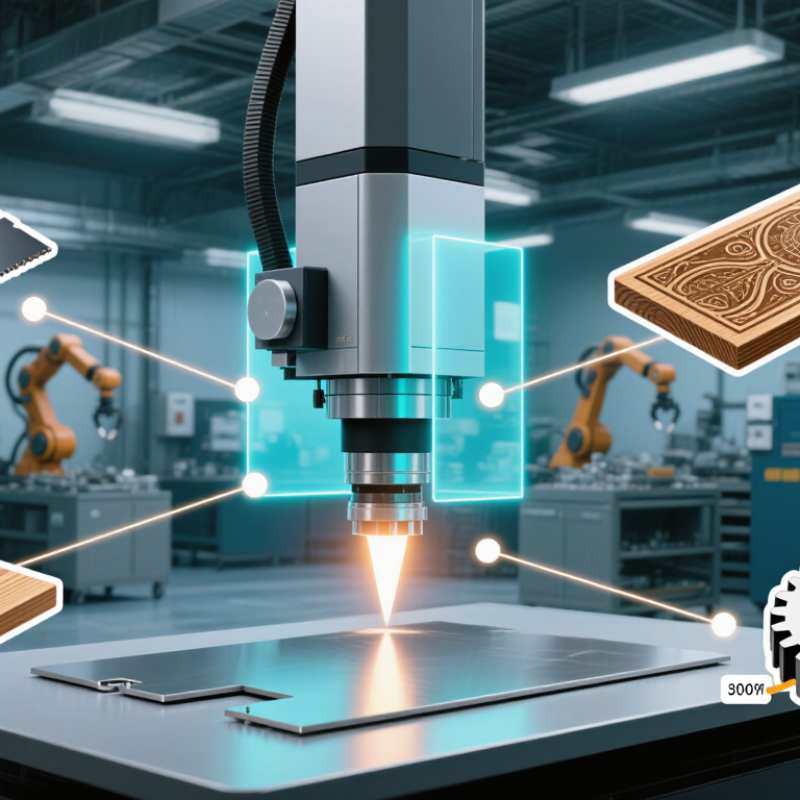
Laser machines use concentrated light to cut, engrave, mark, or shape materials. A laser source creates a narrow beam, while lenses focus it onto a small area. The material absorbs the energy, producing heat that removes or alters the surface. A motion system guides the beam along a programmed path. Settings such as power, speed, and focus distance affect the result. Small changes matter.
Different machines suit different materials and tasks. Some process wood, acrylic, or fabric; others are designed for metals. The right choice depends on the material, thickness, required detail, and production volume. In practical use, a clean lens and stable work surface help maintain consistent results. Yet no setting works perfectly for every material. Even experienced operators may need test pieces, and a neat edge can still hide slight scorching or uneven depth. Ventilation and protective enclosures also help manage fumes and exposure to the beam.
Tips: Check the material guidance before processing it. Test a small offcut, keep the focus level, and inspect the first result closely. Record settings that work, but treat them as a starting point—not a guarantee.
QUICK LINKS
CONTACT US
Office: (+86) 755 23040566
Tel: (+86) 158 9965 5195
E-mail: sale@pcbledmodule.com
Skype: Hans@Rocket-PCB
Whatsapp: 86 1589965 5195
Office Address: 2207,Bid 4,He Gu Shan Hui Cheng,35#,Guang Tian RoYanluo street, Song Gang Town,518105 SHENZHENG, CHINA
Plant ADD.: No 69, Lianfeng North Road, Xianxi Area, ChangAn Town, Dongguan, China.


Copyright © 2025 Rocket PCB Solution Ltd. | All Rights Reserved Sitemap Friendship link: CNC machining heat sink