
English


Why are adhesive vents waterproof, even when they let air move? The answer lies in a carefully engineered membrane. Many designs use hydrophobic microporous material, such as expanded PTFE. Its tiny pores allow air and water vapor to pass, while resisting liquid water under specified conditions. Surface tension helps keep droplets from entering. The membrane is not a solid plug. It helps balance pressure inside a sealed enclosure, reducing stress on covers and seals during temperature changes.
An Adhesive Vent Waterproof design also depends on its adhesive layer and the surface beneath it. A clean, dry, compatible surface supports a reliable bond. Even a small wrinkle, dust particle, or uneven edge can create a path for water. That detail is easy to overlook. Installation matters.
Performance depends on the complete assembly, not just the membrane. Water pressure, exposure time, temperature, chemicals, and aging can affect results. A product’s ingress rating applies only under stated test conditions; it does not promise protection in every environment. Check the manufacturer’s specifications, and test the finished enclosure when failure could damage equipment. Be cautious with assumptions. A vent that works on a flat laboratory panel may behave differently on a curved housing or rough coating. That limitation deserves honest attention. Understanding these factors explains how adhesive vents resist water while still allowing pressure equalization—and where their protection can end.
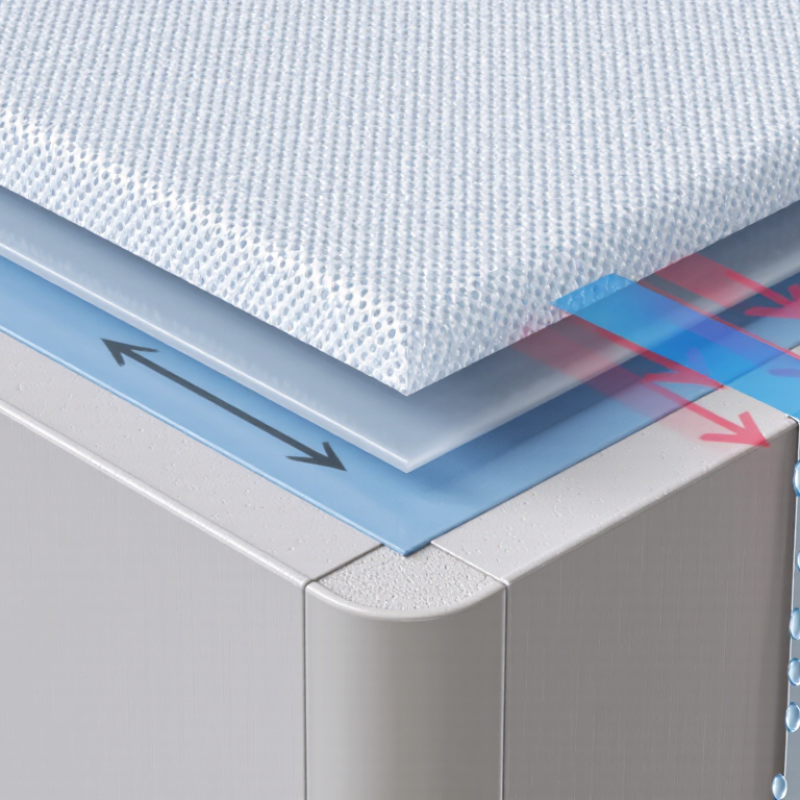
An adhesive vent is a compact component that lets air pass through an enclosure while helping block liquid water and dust. It typically combines a microporous, water-repellent membrane with a support layer, adhesive backing, and removable release liner. The adhesive ring bonds around a prepared opening; the membrane remains exposed to airflow. Tiny pores allow gas movement, while water’s surface tension helps resist droplets. The seal depends on the whole assembly, not the membrane alone. Poor placement, a scratched surface, or a wrinkled edge can create a leak path.
Ratings need context. IEC 60529 defines IPX7 testing as temporary immersion in water at a depth of up to 1 metre for 30 minutes. That figure describes a test condition, not a guarantee that every adhesive vent or finished product passes. Performance depends on vent design, bonding surface, pressure differences, and installation. Real-world testing matters.
Tips: Clean and dry the mounting area, press the adhesive evenly, and keep the membrane uncovered. Check edges and corners after installation. A small wrinkle can matter.
QUICK LINKS
CONTACT US
Office: (+86) 755 23040566
Tel: (+86) 158 9965 5195
E-mail: sale@pcbledmodule.com
Skype: Hans@Rocket-PCB
Whatsapp: 86 1589965 5195
Office Address: 2207,Bid 4,He Gu Shan Hui Cheng,35#,Guang Tian RoYanluo street, Song Gang Town,518105 SHENZHENG, CHINA
Plant ADD.: No 69, Lianfeng North Road, Xianxi Area, ChangAn Town, Dongguan, China.


Copyright © 2025 Rocket PCB Solution Ltd. | All Rights Reserved Sitemap Friendship link: CNC machining heat sink

