
English


Translucent Glass lets daylight pass while softening clear views through a pane. It is not fully transparent, yet it is not completely opaque. The effect depends on the glass itself: etched, patterned, textured, or laminated surfaces scatter light in different ways. A bright room can still feel open. Details beyond the glass become blurred.
That balance makes Translucent Glass useful in bathrooms, office partitions, entry doors, and interior screens. In a bathroom, it can bring daylight into a shower area while reducing direct visibility. In a workplace, it can separate meeting spaces without making them feel boxed in. It also appears in cabinet doors and decorative panels, where light and texture matter as much as privacy. Small differences matter.
The right choice depends on the room, lighting, and desired level of privacy. A sample viewed at home may look different from one shown under a showroom’s bright lights. Some finishes soften silhouettes but still reveal movement, especially when a room is lit from behind. That detail is easy to overlook. Glass thickness, framing, cleaning needs, and safety requirements also affect suitability. Check product specifications, and consult a qualified glazing professional for installations where impact resistance or building requirements matter. Translucent Glass can solve a practical design problem, but it cannot guarantee complete privacy. Its performance deserves a real-world check.
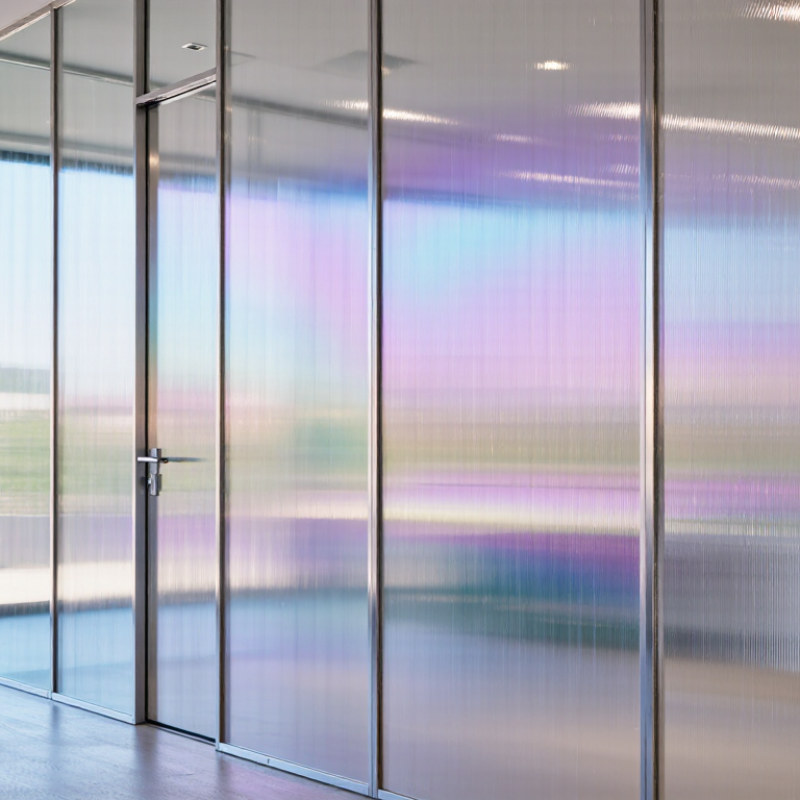
Translucent glass lets daylight travel while blurring sharp views. In a bathroom, it can brighten a shower without exposing the room to the hallway. In an office, a frosted panel can soften sunlight across a desk and reduce the hard contrast between a bright window and a dim screen. The room feels calmer. Its surface scatters incoming light, so the glow spreads rather than forming a clear beam. The effect depends on glass texture, thickness, and the direction of the sun; it does not guarantee even lighting.
The International Energy Agency’s 2023 Global Status Report for Buildings and Construction estimates that the sector used 34% of global energy demand and produced 37% of energy- and process-related CO2 emissions in 2022. Those figures do not prove that translucent glass saves energy. They do underline why daylight and lighting choices deserve attention. Pairing diffuse glazing with suitable shading and well-placed electric lights can help manage glare and reduce the need for artificial light during some hours. Still, privacy glass may also cut useful daylight, especially in a deep room. A small sample beside the actual window often reveals more than a showroom display. I would not assume “soft light” means “enough light.”
| Glass Type or Treatment | How It Diffuses Light | Common Uses | Privacy and Design Considerations |
|---|---|---|---|
| Acid-etched or sandblasted glass | A finely textured surface scatters transmitted light, softening sharp highlights and views. | Bathroom screens, interior doors, office partitions, and cabinet panels. | Usually obscures clear views while allowing daylight through. Privacy depends on the glass design, lighting, and viewing distance. |
| Patterned or obscure glass | A molded or textured pattern refracts and scatters light, making objects behind the glass less distinct. | Bathroom windows, entry doors, sidelights, and decorative interior glazing. | Patterns vary in how much detail they conceal; check a sample from both sides before choosing. |
| Opal or diffusing glass | Light is dispersed through the material, producing a more even glow and reducing the visibility of a direct light source. | Light fixtures, illuminated panels, and backlit architectural features. | Useful where a softer appearance is wanted; the amount of light transmitted varies by product and thickness. |
| Translucent glass blocks | The block’s textured faces scatter light as it passes through the wall or partition. | Bathroom walls, stairwells, privacy screens, and selected interior partitions. | Can bring daylight into a space while limiting direct views. Block size and layout affect the overall appearance. |
| Translucent interior partitions | Frosted or patterned panels spread light between adjacent areas rather than creating a clear sightline. | Offices, meeting rooms, entry areas, and shared living spaces. | Helps maintain a sense of openness while screening details; it does not necessarily provide acoustic privacy. |
| Translucent shower enclosures | Textured or etched glazing diffuses bathroom light while softening visibility through the enclosure. | Shower doors and fixed shower screens. | Choose glazing intended for the application and follow applicable safety-glazing requirements. |
Practical note: Translucent glass transmits light but scatters it, so it does not provide the same clear view as transparent glass. Privacy levels vary by product and lighting conditions.
QUICK LINKS
CONTACT US
Office: (+86) 755 23040566
Tel: (+86) 158 9965 5195
E-mail: sale@pcbledmodule.com
Skype: Hans@Rocket-PCB
Whatsapp: 86 1589965 5195
Office Address: 2207,Bid 4,He Gu Shan Hui Cheng,35#,Guang Tian RoYanluo street, Song Gang Town,518105 SHENZHENG, CHINA
Plant ADD.: No 69, Lianfeng North Road, Xianxi Area, ChangAn Town, Dongguan, China.


Copyright © 2025 Rocket PCB Solution Ltd. | All Rights Reserved Sitemap Friendship link: CNC machining heat sink