English


Joovv Red Light refers to a branded approach to photobiomodulation, using red and near-infrared light from LED devices. In practice, a person stands or sits near a panel, following its recommended distance and session time. The light is non-invasive, but the effects depend on factors such as wavelength, intensity, and exposure. Small details matter.
Grand View Research’s Photobiomodulation Market Size, Share & Trends Analysis Report, 2024–2030, tracks commercial growth in this field. That is useful context, not proof that a device delivers a specific health benefit. Market forecasts describe demand, not clinical outcomes. Hamblin’s 2017 review in AIMS Biophysics discusses proposed biological mechanisms, including how cells may respond to light. These mechanisms remain an active area of research, and results from one setup may not apply to another.
This guide explains what Joovv Red Light is, how the devices are commonly used, and what current research can—and cannot—support. It also considers practical questions, such as treatment distance, eye protection, and consistency. Evidence remains uneven. Readers should be cautious of broad claims, compare device specifications, and consult a qualified health professional about personal medical concerns. That distinction is easy to blur when product language sounds more certain than the research.
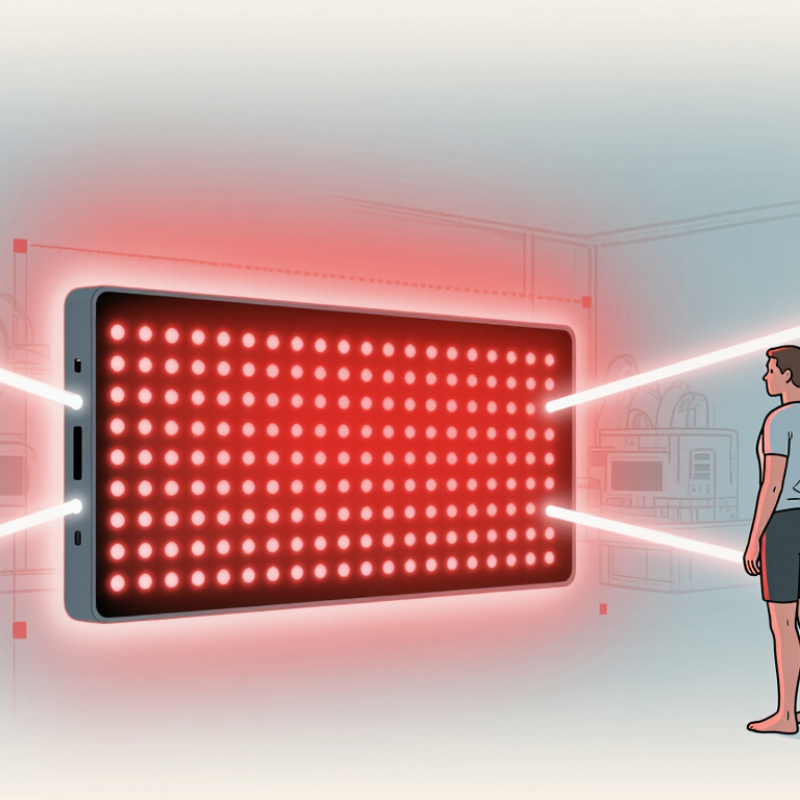
Red light therapy devices commonly use light-emitting diodes arranged in a handheld unit, tabletop panel, or larger standing panel. Red wavelengths reach relatively superficial tissue, while near-infrared light can penetrate farther. Some devices provide both. Check the product’s stated wavelength and irradiance; appearance alone tells you little.
Photobiomodulation describes how cells respond to particular wavelengths of light. Light may interact with cellular components and influence signaling involved in energy use and inflammation. The mechanisms are still being studied, and results vary by condition, device, and treatment settings. It is not a substitute for medical care.
Distance matters. A panel used from a few inches away delivers a different exposure than one across a room. Follow the device instructions, keep sessions consistent, and protect your eyes when advised. Less can be more. The routine may feel uneventful, and benefits are not guaranteed. If you have a light-sensitive condition or take medication that increases light sensitivity, ask a qualified clinician before starting.
QUICK LINKS
CONTACT US
Office: (+86) 755 23040566
Tel: (+86) 158 9965 5195
E-mail: sale@pcbledmodule.com
Skype: Hans@Rocket-PCB
Whatsapp: 86 1589965 5195
Office Address: 2207,Bid 4,He Gu Shan Hui Cheng,35#,Guang Tian RoYanluo street, Song Gang Town,518105 SHENZHENG, CHINA
Plant ADD.: No 69, Lianfeng North Road, Xianxi Area, ChangAn Town, Dongguan, China.


Copyright © 2025 Rocket PCB Solution Ltd. | All Rights Reserved Sitemap Friendship link: CNC machining heat sink