English


Weatherproof Tape plays a quiet but essential role in construction, packaging, automotive repair, marine work, and outdoor maintenance. A reliable roll may seal a roof flashing during heavy rain, protect an exposed cable joint, or keep moisture away from a shipping carton. Yet performance changes with sunlight, temperature, surface texture, and application pressure. One product cannot solve every problem.
This guide examines the top 10 types of Weatherproof Tape for global buyers. It compares acrylic, butyl, rubber, silicone, foil, PVC, polyethylene, and specialized repair tapes. Each type has different strengths, limitations, and recommended uses. Acrylic tape may resist ultraviolet exposure well, while butyl tape often delivers strong moisture sealing on roofs and metal panels. Silicone options can remain flexible in demanding temperature ranges. The details matter.
Testing experience shows that product labels are only a starting point. A tape that holds firmly on clean aluminum may fail on dusty concrete. A seal that survives a warehouse test may weaken after months of tropical sunlight. That distinction matters. Buyers should review adhesion data, backing material, temperature limits, aging results, roll dimensions, and supplier quality records. They should also request samples before placing large orders.
Small trials reveal expensive mistakes.
This overview follows practical selection logic rather than marketing claims. It considers climate, substrate, installation conditions, storage, transport, and expected service life. Some recommendations may need adjustment after site testing. That is not a weakness; it reflects real-world purchasing. By comparing evidence carefully, buyers can choose Weatherproof Tape with greater confidence, fewer returns, and more dependable long-term sealing performance.
Weatherproof tape is an adhesive barrier designed for outdoor exposure. It helps seal joints, cover small cracks, and protect surfaces from rain, wind, dust, and sunlight.
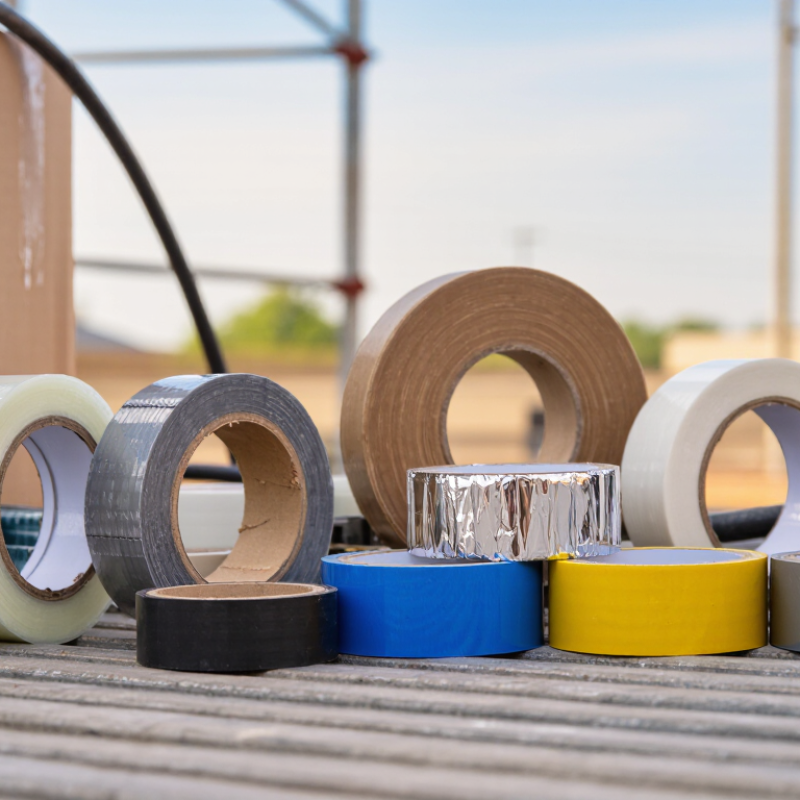
Common types include butyl, acrylic, rubber, foil, cloth, and rubberized asphalt tape. Each material behaves differently. Butyl tape stays flexible around seams, while foil tape reflects heat and resists moisture. Acrylic adhesives often perform better under strong ultraviolet light.
Protection depends on more than the tape itself. A clean, dry surface is essential. Dirt, oil, and frost can create hidden gaps. During field repairs, installers often press the tape firmly with a roller, especially over rough edges.
A properly sealed overlap can stop water from reaching insulation, wiring, timber, or metal. However, no tape lasts forever. Extreme heat, standing water, movement, and poor surface preparation can shorten its service life. I have seen durable tape fail because the surface was simply too dusty.
Tips: Choose tape for the actual exposure. Check temperature ratings, backing material, and expected movement. Apply it in moderate conditions when possible. Keep the roll sealed before use. Leave enough overlap at corners and joints. Test a small area first. That step may feel unnecessary, but it can reveal weak adhesion before a storm does.
QUICK LINKS
CONTACT US
Office: (+86) 755 23040566
Tel: (+86) 158 9965 5195
E-mail: sale@pcbledmodule.com
Skype: Hans@Rocket-PCB
Whatsapp: 86 1589965 5195
Office Address: 2207,Bid 4,He Gu Shan Hui Cheng,35#,Guang Tian RoYanluo street, Song Gang Town,518105 SHENZHENG, CHINA
Plant ADD.: No 69, Lianfeng North Road, Xianxi Area, ChangAn Town, Dongguan, China.


Copyright © 2025 Rocket PCB Solution Ltd. | All Rights Reserved Sitemap Friendship link: CNC machining heat sink