
English


Pe Gloves may look simple, yet small differences can change how they feel and perform during a work shift. In 2026, buyers will encounter several common options, including smooth and embossed polyethylene gloves, plus variations in thickness, size, and color. Each type serves a different practical need. Embossed surfaces can offer a more secure hold on slippery items, while smooth gloves may suit quick, low-mess tasks. Grip can vary.
This guide explores the top types of Pe Gloves and the details worth checking before purchase. It looks at material feel, fit, handling, and typical workplace uses, rather than treating one style as best for everyone. A glove that works well for food handling may feel awkward during cleaning or light assembly. That distinction is easy to overlook. Small differences matter.
Product descriptions do not always tell the whole story. Compare stated dimensions and thickness, and check whether the supplier provides clear specifications for the intended use. Try a sample when possible; comfort is difficult to judge from a catalog image. This overview is practical, not a substitute for product-specific guidance. The right choice depends on the task, the wearer, and how often gloves are changed. Even a well-made pair can disappoint if the fit is wrong.
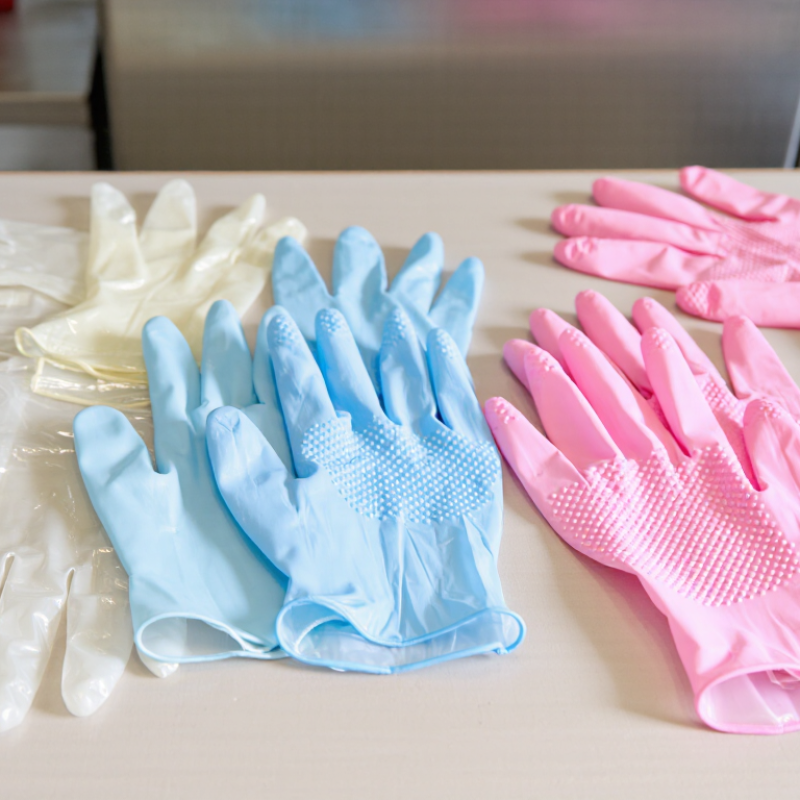
PE gloves are commonly grouped by polyethylene type and by how the film is formed. Low-density polyethylene (LDPE) feels softer and more flexible, while high-density polyethylene (HDPE) is often thinner and crisper. Some products use blended films, so the material name alone may not predict how a glove feels. Not always.
Construction changes handling, too. Many disposable PE gloves are made from two film sheets joined around their edges, leaving a loose fit and a wide cuff. Smooth film slides on quickly, but can feel slippery when handling wet items. Embossed surfaces add texture for a steadier hold; the pattern may be subtle, so check a sample rather than relying only on a product description.
Thickness, seam quality, and cuff shape help distinguish options within each material group. A lighter glove can suit brief, low-demand tasks, while thicker film may resist everyday tearing better. It is not a universal rule. Look for thickness in microns and inspect the seam near the fingertips, where stress is easy to notice. PE gloves are not interchangeable with every protective glove; match the construction to the task and verify the stated specifications. That distinction can be imperfect in real use.
QUICK LINKS
CONTACT US
Office: (+86) 755 23040566
Tel: (+86) 158 9965 5195
E-mail: sale@pcbledmodule.com
Skype: Hans@Rocket-PCB
Whatsapp: 86 1589965 5195
Office Address: 2207,Bid 4,He Gu Shan Hui Cheng,35#,Guang Tian RoYanluo street, Song Gang Town,518105 SHENZHENG, CHINA
Plant ADD.: No 69, Lianfeng North Road, Xianxi Area, ChangAn Town, Dongguan, China.


Copyright © 2025 Rocket PCB Solution Ltd. | All Rights Reserved Sitemap Friendship link: CNC machining heat sink

