
English


Fertilizer Dye gives fertilizer a visible identity. It can distinguish product grades, help reveal uneven coating, and make granules easier to track during handling. Yet color is only a clue. A bright surface does not prove nutrient content, product quality, or coating durability.
The market context is substantial. FAO’s World Fertilizer Trends and Outlook to 2022 projected global fertilizer demand at 200.5 million tonnes of nutrients by 2022. That figure describes fertilizer nutrients, not dye sales. The distinction matters: public reports often measure fertilizer use, while dye performance is assessed through product-specific testing. IFA outlooks also track fertilizer supply and consumption, but they do not establish a universal ranking of dye types.
So, what are the top types of Fertilizer Dye? The answer depends on the formulation and the job. Water-soluble dyes can deliver clear color in suitable liquid systems. Pigment dispersions may provide stronger opacity or light resistance in coated products. Fluorescent colorants can improve visibility, though their cost and compatibility need careful review. Small granules, dust, moisture, and storage heat all change the result. Real batches are less tidy than a lab sample.
This guide compares these dye families by color strength, stability, handling, and compatibility. It also flags a practical limitation: supplier claims are not interchangeable test data. Start with the fertilizer base, then test the finished product under realistic storage and application conditions. Appearance helps. Verification matters more.
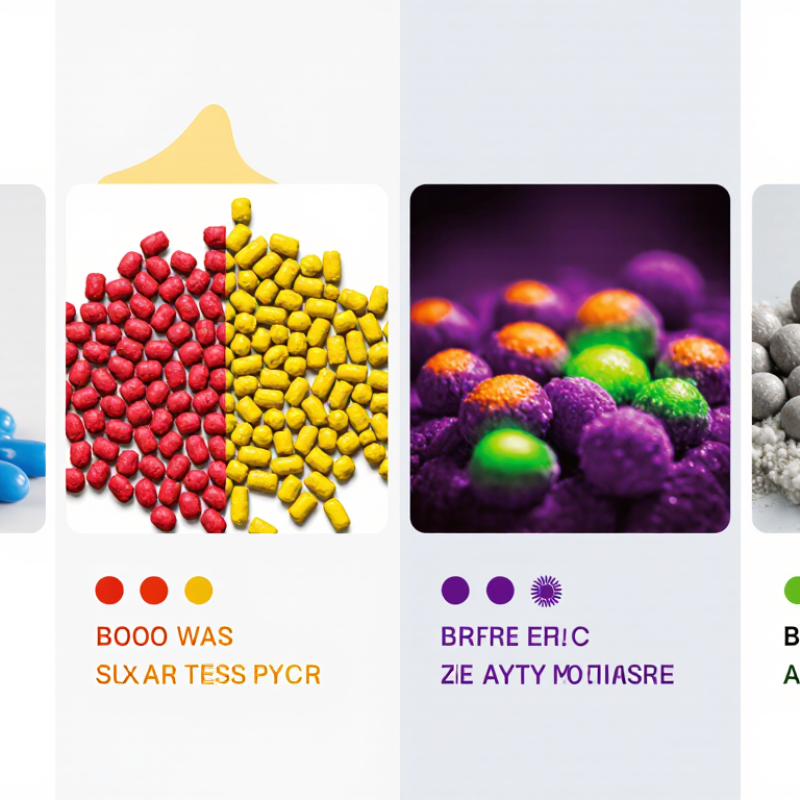
Fertilizer dyes are colorants added to products to make them easier to identify and distinguish. They can help show where granules have been treated or reveal uneven coverage during application. Dye does not replace nutrients or indicate how much fertilizer a plant needs. Color is only a cue. In practice, dyes are commonly classified by their chemistry and how they behave in water.
Water-soluble dyes dissolve into a liquid and can color fertilizer solutions or coat surfaces. Pigments do not dissolve; they remain as fine particles and usually need to be dispersed evenly. Some colorants are supplied as liquid concentrates, while others come in powders or dispersions. These forms can behave differently in a tank or coating process. A vivid shade may look appealing, but it does not guarantee stable color or good compatibility.
Tips: Test a small batch first. Check whether the color stays even after mixing and drying, and watch for settling or streaks. Follow the product’s handling directions and use suitable protective equipment. One detail is easy to miss: water quality and mixing time can change the final shade, so results may not match expectations exactly.
QUICK LINKS
CONTACT US
Office: (+86) 755 23040566
Tel: (+86) 158 9965 5195
E-mail: sale@pcbledmodule.com
Skype: Hans@Rocket-PCB
Whatsapp: 86 1589965 5195
Office Address: 2207,Bid 4,He Gu Shan Hui Cheng,35#,Guang Tian RoYanluo street, Song Gang Town,518105 SHENZHENG, CHINA
Plant ADD.: No 69, Lianfeng North Road, Xianxi Area, ChangAn Town, Dongguan, China.


Copyright © 2025 Rocket PCB Solution Ltd. | All Rights Reserved Sitemap Friendship link: CNC machining heat sink