
English


China is a major source of industrial coating equipment, with manufacturers serving packaging, building materials, electronics, and other sectors. Their products can differ in working width, coating method, line speed, and drying configuration. A Roll Coating Machine that suits a narrow film line may not handle heavier panels or changing material thickness. The details matter. Even a well-made machine can disappoint if it does not match the production process.
This guide introduces ten Chinese manufacturers and the equipment they offer. It considers practical factors such as product range, customization options, technical documentation, and after-sales support. Buyers should compare machine specifications against their own materials, target coating thickness, and expected output. Ask for clear operating parameters, sample results, and information about installation and spare parts. A showroom visit or production-line reference can help, but neither replaces a careful technical review.
The list is a starting point, not a universal ranking. Company information and product offerings can change, and published specifications may not show how a machine performs with your exact coating formula. Request written details and verify important claims directly with each supplier. Then compare the total fit, including maintenance access, operator training, and response times for support. Some questions may remain. That is worth acknowledging. A thoughtful comparison helps narrow the field and identify a Roll Coating Machine manufacturer whose capabilities fit the real demands of your line.
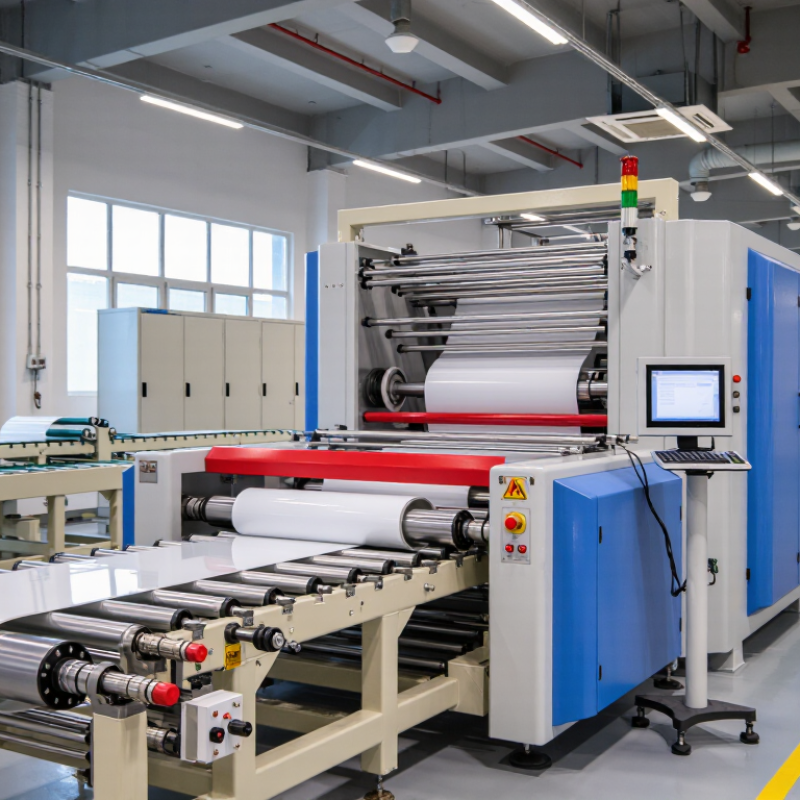
Roll coating machines apply a controlled liquid layer to a moving sheet, or web. The web may be paper, plastic film, metal foil, or fabric. Metering rolls regulate the coating thickness, while tension controls help keep the material flat. Drying or curing follows. Small differences matter.
These lines produce adhesive, decorative, protective, and barrier layers for packaging, labels, flooring, and industrial films. Battery manufacturing is another relevant use: electrode materials are coated onto moving metal foil, then dried and inspected. The International Energy Agency’s Global EV Outlook 2024 reports nearly 14 million electric cars sold in 2023. It also estimates EV battery demand reached about 750 GWh, up 40% from 2022. These figures describe downstream demand, not roll-coating machine sales.
Machine selection depends on coating chemistry, web width, target coat weight, and required line speed. Operators check edge coverage, streaks, bubbles, and drying uniformity. A faster line can magnify defects. No single roll arrangement suits every material, and that is easy to underestimate. Testing with the actual coating and substrate is more useful than relying on a catalogue specification alone.
QUICK LINKS
CONTACT US
Office: (+86) 755 23040566
Tel: (+86) 158 9965 5195
E-mail: sale@pcbledmodule.com
Skype: Hans@Rocket-PCB
Whatsapp: 86 1589965 5195
Office Address: 2207,Bid 4,He Gu Shan Hui Cheng,35#,Guang Tian RoYanluo street, Song Gang Town,518105 SHENZHENG, CHINA
Plant ADD.: No 69, Lianfeng North Road, Xianxi Area, ChangAn Town, Dongguan, China.


Copyright © 2025 Rocket PCB Solution Ltd. | All Rights Reserved Sitemap Friendship link: CNC machining heat sink

