

loading

BLOG

Top 10 PCB Prototype Board Suppliers for Global Buyers

A PCB prototype can look simple: a green board, copper traces, plated holes, and a few components. Yet one missed tolerance can delay testing, expose signal problems, or force a redesign. For global buyers, choosing a Pcb Prototype Board supplier is therefore a technical and operational decision, not just a price comparison. The right partner should explain material options, layer stackups, impedance controls, lead times, and inspection methods in clear terms.

Market conditions make that choice more consequential. Prismark’s 2024 industry analysis reported that global PCB sales fell about 15% in 2023, to roughly US$69.5 billion, reflecting weaker demand and inventory adjustments. Figures vary by report scope, so buyers should check what each estimate includes. The wider electronics supply chain also matters. IPC President and CEO John Mitchell has described electronics as “the backbone of the global economy.” That perspective underscores why dependable prototype work matters before products reach production. Small boards. Big consequences.

This guide compares ten suppliers for international purchasing teams, including their prototype capabilities, geographic reach, and practical trade-offs. Look beyond the headline turnaround time. Ask how the supplier handles engineering questions, design changes, material traceability, and shipment updates. A fast quote is useful, but it is not proof of reliable execution. No ranking can replace a real design review, and supplier claims deserve verification. The comparison offers a starting point—not a substitute for testing samples against your own specifications.
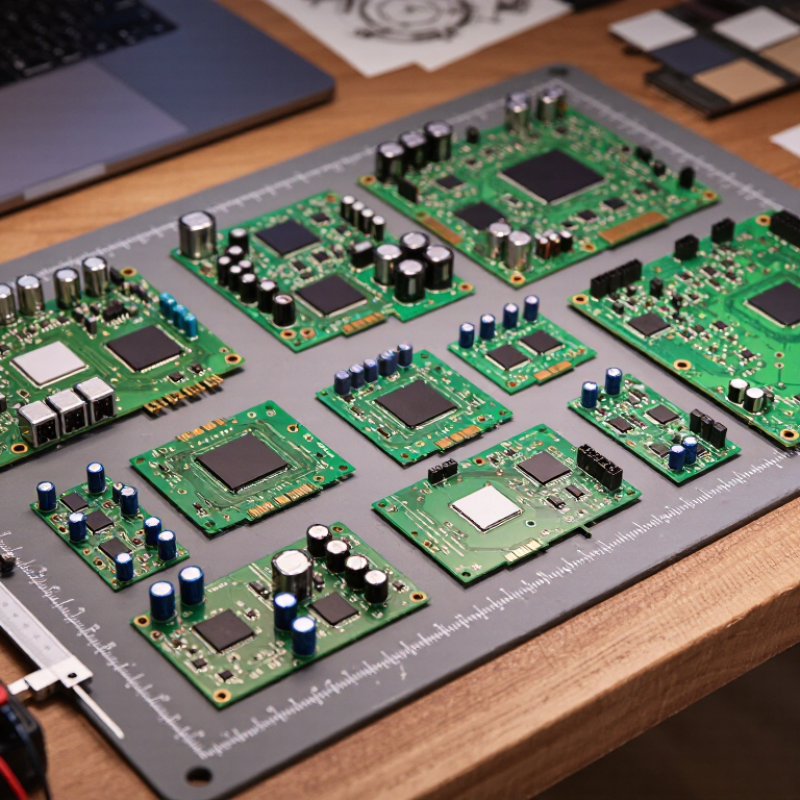
Top 10 PCB Prototype Board Suppliers for Global Buyers

PCB Prototype Boards: Types, Uses, and Key Features

PCB prototype boards help engineers test layouts before committing to production tooling. Common options include solderless breadboards, perforated boards, stripboards, and custom-fabricated prototype PCBs. Breadboards suit temporary, low-voltage circuits because components can be repositioned without soldering. They are quick to revise. Perfboard and stripboard provide more stable soldered connections, while custom boards can reproduce a planned circuit’s footprint and routing more closely.

The right choice depends on the test. A sensor circuit may work well on a breadboard, but switching noise or loose jumper wires can distort results. For repeated handling, a soldered board is usually more dependable. Custom prototypes also help check connector placement, mounting holes, and enclosure fit. Small errors matter. A misplaced hole can prevent a board from sitting flat inside a case.

Compare substrate, thickness, copper layout, hole spacing, and finish before ordering. FR-4 is common for fabricated boards, while board thickness and copper weight affect mechanical strength and current capacity. Check the supplier’s stated tolerances and confirm whether dimensions refer to the finished board. I still find that detail easy to overlook. Test one sample when fit or solderability is uncertain; photos alone cannot reveal every fabrication issue. A clear fabrication file and documented measurements make feedback more useful.


How to Evaluate PCB Prototype Suppliers for Global Orders

Top 10 PCB Prototype Board Suppliers for Global Buyers

How to Evaluate PCB Prototype Suppliers for Global Orders

Choosing a prototype supplier involves more than comparing unit prices. Check whether the supplier can meet your board’s layer count, material, copper weight, and finish requirements. Ask for a written capability list and confirm that it matches your actual design files. A supplier may advertise fast turnaround, but clarify when the clock starts and whether shipping time is included. Small details matter: a two-day fabrication estimate can become a week at your door.

For global orders, review how the supplier handles file security, inspection records, packaging, and shipment tracking. Request sample inspection data, such as board thickness measurements or solder-mask checks. Confirm how engineering questions are handled across time zones, and ask who contacts you if a file needs correction. Clear answers are a good sign. Vague promises are not. I have seen teams focus so heavily on price that they overlooked communication delays; that trade-off can be costly, though it is easy to underestimate beforehand.

Top 10 PCB Prototype Board Suppliers for Global Buyers

Global buyers comparing PCB prototype board suppliers should look beyond headline pricing. Fortune Business Insights valued the global PCB market at about $73.4 billion in 2023 and projected growth to $100.2 billion by 2032. That expansion makes supplier capacity and process control increasingly relevant, even for small prototype orders. Yet market growth does not guarantee consistent prototype quality.

A practical shortlist should check layer-count capability, minimum trace and spacing, material options, and documented inspection steps. Ask for drill tolerances, copper-weight limits, and a sample fabrication drawing. IPC-6012 covers qualification and performance requirements for rigid printed boards; IPC-A-600 provides visual acceptability criteria. These references help buyers discuss requirements clearly, but they do not replace checking a supplier’s actual process records. Details matter.

Delivery estimates deserve equal scrutiny. Confirm whether quoted lead time includes engineering review, fabrication, and shipping, and ask how urgent changes are handled. A low quote can conceal setup charges or limited inspection. Not every supplier publishes useful yield data, and that gap should give buyers pause. Still, a polished capability sheet is not proof of repeatable results. Request a small test order, compare the delivered boards with the approved files, and record any deviations before selecting a long-term partner.

Comparing Supplier Capabilities, Lead Times, and Support

Global buyers comparing ten PCB prototype suppliers should look beyond unit price. The handoff matters. Ask whether each quote clearly states layer count, copper weight, surface finish, panelization, and electrical testing. A low price can conceal a production queue or extra engineering fees. Request a dated delivery estimate, not just “fast turnaround.”

Prismark’s 2024 PCB industry estimate put global production value at about $73.7 billion, up 5.8% year over year. A growing market does not guarantee a quick prototype slot. Aggregate figures cannot reveal an individual factory’s workload. Compare lead times against identical files and specifications, and check whether the quoted days are calendar or working days. Small detail. Big difference.

Support quality appears before fabrication. Does the supplier flag an unclear drill chart promptly, or wait for the buyer to find the problem? Ask how engineering questions are handled across time zones, and who approves specification changes. For quality comparisons, identify the acceptance class in advance; IPC-6012 covers rigid-board qualification and performance requirements, while IPC-A-600 provides visual acceptance criteria. Standards help, but they do not replace clear communication. I would still verify sample reports and escalation contacts; a polished quote alone proves little.

Matching Supplier Strengths to Project Requirements

A supplier’s strongest feature matters only when it fits the board in front of you. For a two-layer sensor board, dependable standard materials and clear design-for-manufacturing feedback may matter more than advanced stacking options. A compact radio module with fine-pitch components needs tight registration, clean solder-mask alignment, and evidence that the supplier can meet those tolerances. Ask how drill limits, copper spacing, and panelization affect the quoted price. Details matter.

For early prototypes, compare more than delivery dates. Check whether engineering questions receive specific answers, inspection images or electrical test results are available, and revisions can be tracked clearly. A quick quote can still hide setup fees or assumptions about material grade. That catches teams off guard. Match production capacity to the next build, not only the first batch; a supplier suited to ten boards may struggle with a later pilot run. No checklist catches every issue, and design files sometimes arrive incomplete. Leave time for a review cycle, especially when dimensions or impedance targets are still changing. Ask for written confirmation of critical requirements before fabrication begins.

Top 10 PCB Prototype Board Suppliers for Global Buyers — Matching Supplier Strengths to Project Requirements

Standard copper weight is one useful specification to compare when matching a PCB project with a supplier’s manufacturing capabilities.

Reference values: nominal copper thickness is approximately 17 µm per 0.5 oz/ft². Actual finished copper thickness can vary by process; confirm the supplier’s specifications before ordering.

Chat Online
Chat Online
Leave Your Message inputting...
Thank you for your attention. Please kindly describe your question first, or please send your inquiry to our email sale@pcbledmodule.com, and we will reply to you ASAP. Welcome, what can I help you?
Sign in with: