
English


Choosing IoT Batteries in 2026 means matching a power source to the device, its environment, and its service life. A soil sensor in a dry field has different needs from a tracker crossing cold warehouses. Buyers may compare primary lithium cells, rechargeable options, and battery packs designed for specific devices. No chemistry wins every job.
A useful review looks beyond advertised capacity. Check operating temperature, pulse demand, self-discharge, expected reporting frequency, and the device’s actual power profile. A radio transmitting in short bursts can stress a cell differently from a sensor that sleeps most of the day. Small details matter. Connector fit and enclosure space can turn a promising specification into a poor match.
Global purchasing adds practical questions. Confirm current datasheets, production status, supplier support, and shipping availability for each target market. Ask how performance claims were measured; test samples under realistic conditions when possible. A spreadsheet helps, but it can miss field surprises. Even strong test results may not predict years of outdoor use, and published figures can depend on temperature and load. That uncertainty deserves attention, not a confident guess.
This guide compares leading battery choices through those everyday requirements, rather than treating one product as universally best. It is a starting point, not a substitute for device-level validation. Teams should verify specifications with manufacturers before committing to volume orders. A careful choice can reduce maintenance visits and unexpected downtime. A careless one can leave a well-designed sensor silent.
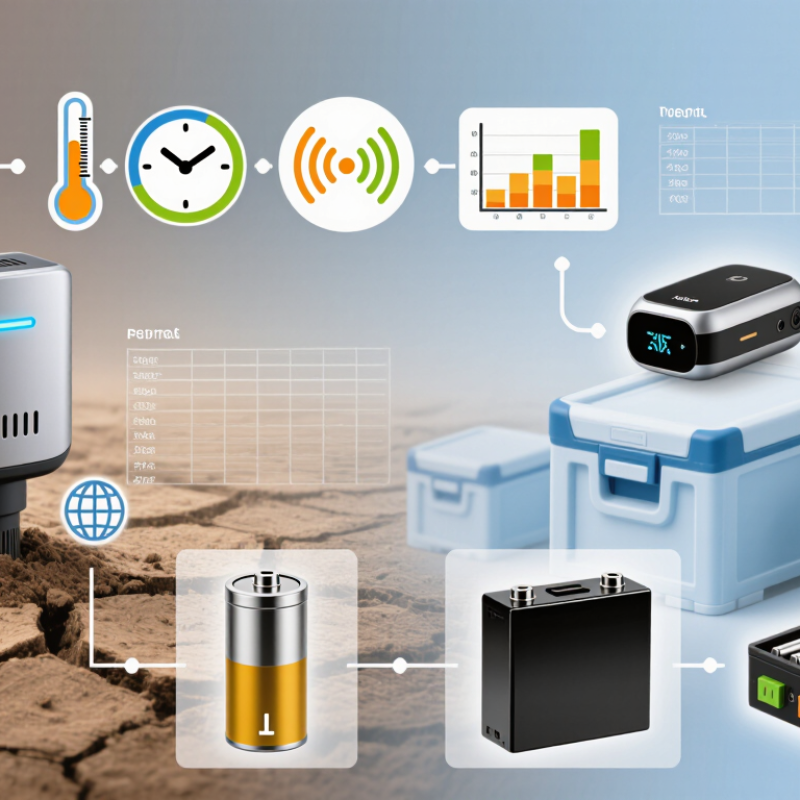
In 2026, IoT battery requirements are shaped by how devices communicate, sense, and sleep. Battery choice now follows operating behavior, not just rated capacity. A soil sensor may spend hours idle, then transmit readings through a weak connection. Those brief radio bursts can demand more current than steady sensing. A cell with ample capacity may still struggle to support them. That detail is easy to miss.
Remote meters and asset trackers also face long service intervals, limited access, and changing temperatures. Cold conditions can reduce available power, while frequent network retries may drain energy faster than expected. Designers should test batteries with the device’s actual transmission schedule and local temperature range. Measure pulse performance, self-discharge, and expected shelf time alongside capacity. A tidy spreadsheet cannot replace field data. It can, however, reveal assumptions worth checking. Some estimates will be wrong; real deployments are messier than lab cycles. Battery monitoring can help identify gradual changes, but it adds its own energy cost. Teams need to account for that overhead before choosing a maintenance plan.
QUICK LINKS
CONTACT US
Office: (+86) 755 23040566
Tel: (+86) 158 9965 5195
E-mail: sale@pcbledmodule.com
Skype: Hans@Rocket-PCB
Whatsapp: 86 1589965 5195
Office Address: 2207,Bid 4,He Gu Shan Hui Cheng,35#,Guang Tian RoYanluo street, Song Gang Town,518105 SHENZHENG, CHINA
Plant ADD.: No 69, Lianfeng North Road, Xianxi Area, ChangAn Town, Dongguan, China.


Copyright © 2025 Rocket PCB Solution Ltd. | All Rights Reserved Sitemap Friendship link: CNC machining heat sink

