
What Are the Top Connector Hose Pipe Types in 2026?
Choosing the right Connector Hose Pipe in 2026 starts with understanding where it will be used. A kitchen tap, washing machine, garden line, and industrial system place very different demands on a hose. Some need flexibility around tight corners; others need durable reinforcement or resistance to heat, pressure, and abrasion. Small details matter. A fitting that looks compatible may still have the wrong thread, diameter, or sealing method.
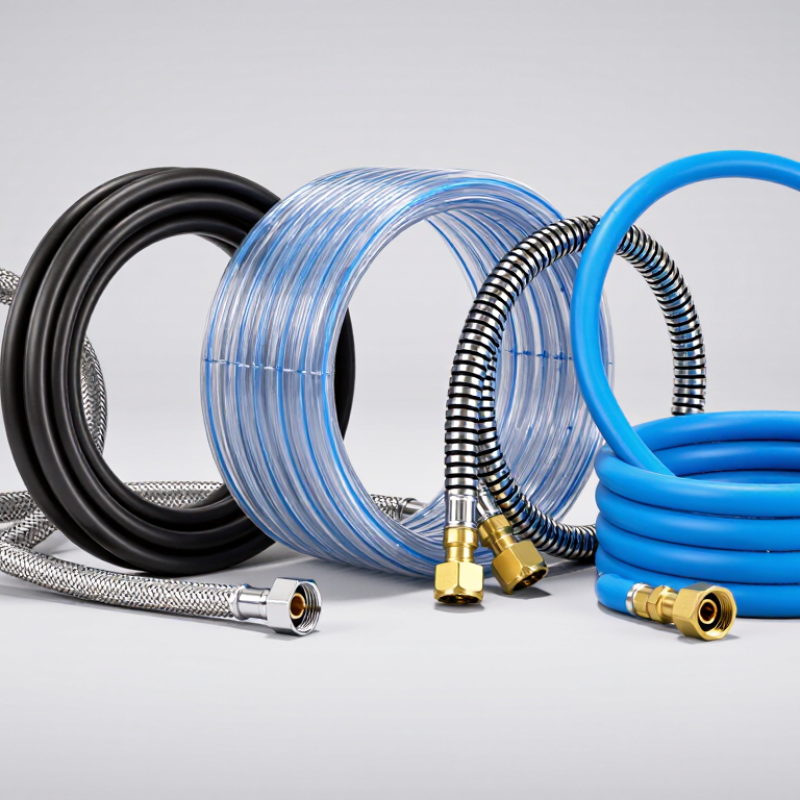
This guide compares common types, including braided stainless steel, rubber, PVC, corrugated metal, and application-specific supply hoses. It explains their typical strengths, limitations, and suitable uses, without treating one material as the best choice for every job. A stainless braid, for example, can help protect an inner tube, but it does not remove the need to check the hose’s pressure and temperature ratings. PVC can be lightweight and easy to route, yet may not suit every hot-water application. Check the manufacturer’s specifications.
We also look at connector styles, installation considerations, and the signs of wear that can justify replacement. A careful fit can help reduce leaks. Still, product labels and real installation conditions do not always tell the whole story. That deserves a closer look. Use this overview to compare options, then confirm the dimensions and operating limits against your equipment. A suitable hose is not merely one that reaches; it must match the connection and the conditions it will face.
Classify Connector Hoses by Media, Pressure, Temperature, and Construction
What Are the Top Connector Hose Pipe Types in 2026?
Connector hoses are easier to compare when grouped by media, pressure, temperature, and construction. For media, identify what flows inside: water, air, oil, or a specific chemical. A liner that suits water may swell or degrade when exposed to oil or cleaning fluids. Check material-compatibility data rather than relying on appearance.
Pressure ratings need context. Compare the hose’s working pressure with normal system pressure and possible surges. The fittings matter too; the complete assembly is limited by its weakest component. Temperature ratings should cover both the fluid and the surrounding environment. Hot service can age some liners faster, while cold conditions can make them stiff. Fit matters.
Construction shapes flexibility and durability. Rubber hoses often suit general-duty applications, while thermoplastic designs can be lighter. Metal-braided or corrugated hoses may help where added reinforcement or heat tolerance is needed, but each design has limits. A compact bend can look harmless and still strain a fitting. That detail is easy to miss.
Tips: Confirm media compatibility, pressure, temperature, and bend radius before installation. Check for abrasion, cracks, leaks, or loose fittings during routine inspections. Replace a damaged assembly instead of patching over uncertainty. Ratings can vary by design, so verify the specifications for the exact hose and fittings.
Top Connector Hose Types in 2026: Compare Temperature Ranges
Typical material-level operating temperature ranges for common connector hose constructions. Actual limits depend on the hose design, reinforcement, fittings, fluid, and applicable specifications.
How to read this chart: The bars show indicative temperature ranges in °C, not guaranteed ratings for complete hose assemblies.
Selection guide: PVC is commonly used for water and air service; EPDM suits water and weather exposure; silicone is used where flexibility and temperature tolerance are important; PTFE is selected for broad chemical compatibility. Pressure capacity depends on construction—including reinforcement, diameter, temperature, and end connections—so verify the rated working pressure for the specific assembly.
Hydraulic Hoses: ISO 18752 Pressure Ratings Extend to 42 MPa
ISO 18752 gives hydraulic hose buyers a clearer way to compare performance classes, with rated working pressures reaching 42 MPa in some configurations. That figure is not a universal rating for every hose. The permitted pressure depends on the hose type, size, and construction, so check the product specification rather than relying on the standard’s maximum.
In a workshop, a hose may look sound while its reinforcement is already tired. Check for exposed wire, cracked outer cover, flattened sections, and leaks around fittings. Small signs matter. Choose a hose whose working-pressure rating covers the system’s normal pressure and expected spikes, then confirm fluid compatibility and temperature limits. A 42 MPa rating does not make a poorly matched assembly safe. Installation also counts: tight bends near a fitting can shorten service life, even when the pressure rating seems generous. I have seen selection focus too heavily on the number alone; it is an easy detail to miss. Record the hose’s size and rating, and inspect it after installation and during routine maintenance.
Water Hoses: ISO 1402 Defines Hydrostatic Pressure Testing
What Are the Top Connector Hose Pipe Types in 2026?
For water hoses, connector choice matters—but pressure testing matters more. ISO 1402:2021 defines hydrostatic test methods for rubber and plastic hoses and hose assemblies. It covers checks such as proof pressure, leakage, dimensional change, and burst pressure. The standard does not set one universal test pressure for every hose. The applicable product specification must determine the pressure and test conditions. That detail is easy to miss.
In practice, a test begins with a hose assembly filled with water and purged of trapped air. Pressure is then raised in a controlled manner, while the assembly is checked for leaks, swelling, or movement at the couplings. ISO 1402 provides the test framework; it is not a shortcut for selecting a safe working pressure. Test records should identify the hose, assembly, pressure, duration, and observed results. Small details matter.
A connector can look secure on a dry bench and still leak under pressure. This is why matching couplings to the hose construction and intended service is essential. Follow the hose maker’s specified limits and the relevant product standard, rather than assuming every water line uses the same test pressure. A practical caveat: visual inspection alone cannot confirm hydrostatic performance. Keep the test area clear, and never stand in line with a pressurized assembly.
Chemical and Food Hoses: Check EN 12115 and FDA 21 CFR 177.2600
What Are the Top Connector Hose Pipe Types in 2026?
Chemical and food-transfer hoses may look alike, but their compliance needs differ. For chemical service, check whether the hose assembly is specified to EN 12115, which covers rubber and thermoplastic hoses for liquid or gaseous chemicals. Confirm the exact chemical, concentration, temperature, and working pressure against the supplier’s compatibility data. A standard reference alone does not prove suitability for every chemical.
For food contact, FDA 21 CFR 177.2600 sets requirements for rubber articles intended for repeated use, including limits on extractives under specified test conditions. It is not a blanket FDA approval of a finished hose. Request material and test documentation for the product’s food-contact surface. The European Food Safety Authority and ECDC reported 5,763 foodborne outbreaks in the EU in 2022. That figure does not identify hoses as a cause, but it highlights why cleanable equipment and controlled handling matter.
Tips: Check the hose’s stated service limits, fittings, and cleaning instructions together. Look for cracks, swelling, or a lingering odor after cleaning. Small details matter. Keep records of inspection and replacement dates; real-world wear can be messier than a specification sheet suggests.