
English


What Are the Top Computer Graphic Design Images in 2026? explores the visual styles shaping digital design, from polished 3D scenes to expressive, layered illustrations. Computer Graphic Design Images now appear across websites, campaigns, product interfaces, and social platforms. Their strongest qualities are often easy to recognize: confident color, clear composition, and details that reward a closer look. A glossy object can sit beside rough paper textures. A simple layout can make one vivid image feel more memorable.
This guide looks at emerging approaches without treating every new style as a lasting rule. Expect to see AI-assisted artwork, bold typography, motion-inspired compositions, and visuals that mix digital precision with handmade character. Practical examples will help explain where these choices work, what tools and techniques may support them, and how designers can adapt ideas to a real brief. A bright gradient might catch attention, but it cannot fix an unclear message. Small details matter. So does restraint. Some choices surprise.
Trend lists can make the future look tidier than it is. Not every style suits every audience, screen, or brand. I may be wrong about which look will last longest; design changes quickly, and context matters. The aim here is not to copy a trend blindly. It is to notice what gives an image clarity, feeling, and purpose—and to make informed choices from there.
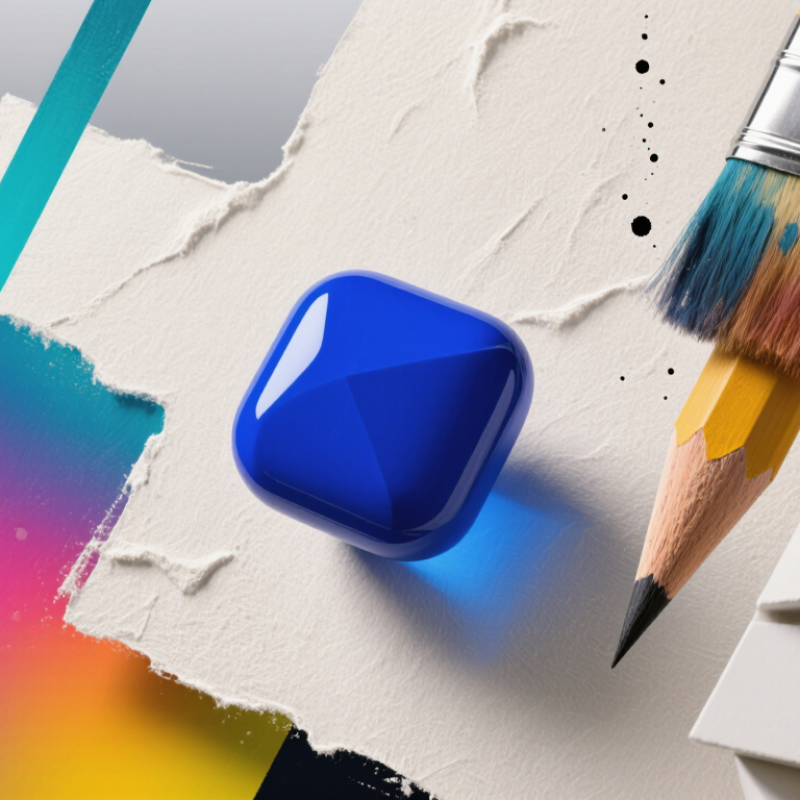
In 2026, a computer graphic design image is more than a finished picture. It is a purposeful visual asset: a clear focal point, considered typography, and colors that remain legible on a phone screen. Some images are static; others are layered files or motion-ready frames. The defining test is whether viewers can understand the message quickly, then recognize its visual logic across different sizes. Small details matter. A soft shadow can clarify depth, while crowded labels can bury the subject. The boundary is still messy.
This definition also reflects changing creative work. The Future of Jobs Report 2025 estimates that 39% of workers’ core skills will change by 2030, making adaptable visual judgment increasingly valuable. The U.S. Occupational Outlook Handbook projects 2% employment growth for graphic designers from 2023 to 2033, with about 22,800 openings each year. These figures describe work, not image quality, so they should not be mistaken for proof that every new style is effective. A practical 2026 image should scale cleanly, use readable contrast, and make its intended audience visible in concrete choices. A tiny flaw can help. A composition may feel polished yet strangely empty.
QUICK LINKS
CONTACT US
Office: (+86) 755 23040566
Tel: (+86) 158 9965 5195
E-mail: sale@pcbledmodule.com
Skype: Hans@Rocket-PCB
Whatsapp: 86 1589965 5195
Office Address: 2207,Bid 4,He Gu Shan Hui Cheng,35#,Guang Tian RoYanluo street, Song Gang Town,518105 SHENZHENG, CHINA
Plant ADD.: No 69, Lianfeng North Road, Xianxi Area, ChangAn Town, Dongguan, China.


Copyright © 2025 Rocket PCB Solution Ltd. | All Rights Reserved Sitemap Friendship link: CNC machining heat sink

