
English


In 2026, choosing an alloy steel is less about finding one “best” grade and more about matching chemistry to the job. A low-alloy structural plate may suit a bridge component, while chromium-molybdenum steel can handle heat and pressure in engineered equipment. Tool steels are designed to resist wear at cutting edges. Bearing and spring steels serve different needs again. The names matter, but the details matter more.
This guide compares the leading Alloy Steel types by composition, properties, and common applications. It also explains how heat treatment, section thickness, operating temperature, and corrosion exposure can change a material’s performance. Picture a machined shaft with a hard surface and a tough core; a grade that works for one shaft may fail in another design. Small differences count.
There is no universal ranking. Not quite. Product availability and standards can vary by region and supplier, so readers should verify current material certificates and technical data before specifying a grade. The discussion offers practical context, not a substitute for engineering review. That distinction is easy to overlook. A sound choice balances strength, toughness, manufacturability, cost, and the conditions the steel will actually face.
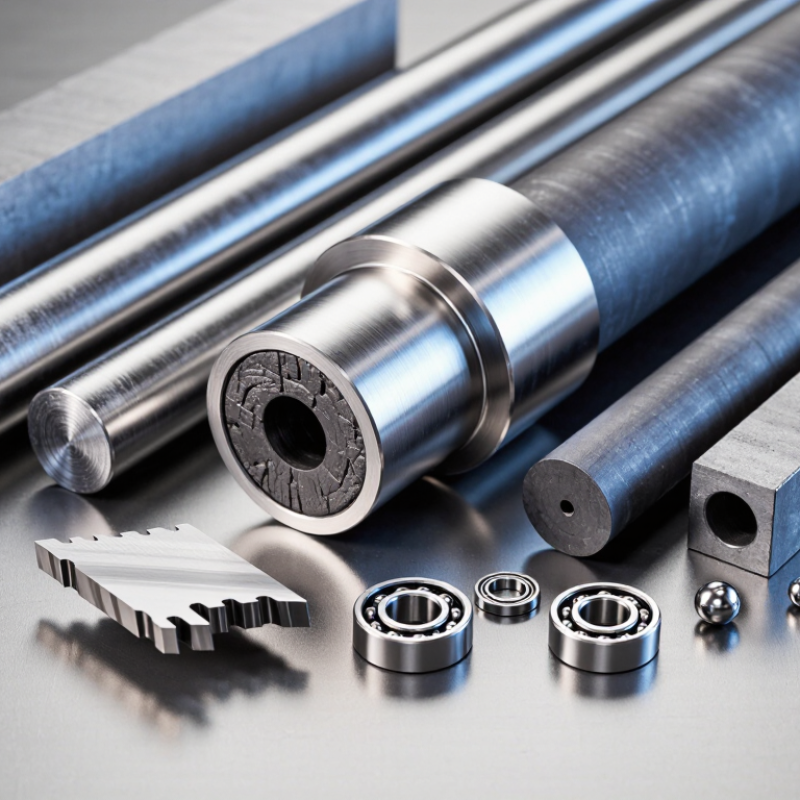
AISI/SAE grade numbers describe chemical composition, not a complete purchase specification. In 4140, the “41” family identifies chromium-molybdenum steel, while “40” roughly indicates its carbon content. SAE 4340 also contains nickel, chromium, and molybdenum, offering a different balance of strength and toughness. Grade 8620 is commonly chosen for carburized gears. These names help narrow choices, but they do not define every delivery condition. For a shaft, heat treatment can change hardness and machinability noticeably.
ASTM specifications address product form and testing requirements. ASTM A322 covers hot-wrought alloy steel bars, while ASTM A387 covers chromium-molybdenum pressure-vessel plate. A matching grade number alone is not enough. Check the specification, grade, dimensions, heat-treatment condition, and required tests on the material certificate. Details matter. Confirm the applicable specification revision for the intended product form.
Tips: Match the AISI/SAE chemistry to the ASTM specification before ordering. Confirm hardness and tensile requirements for the finished part, not just the raw stock. Ask how the steel was heat-treated. A “4140” label can still leave important questions unanswered.
QUICK LINKS
CONTACT US
Office: (+86) 755 23040566
Tel: (+86) 158 9965 5195
E-mail: sale@pcbledmodule.com
Skype: Hans@Rocket-PCB
Whatsapp: 86 1589965 5195
Office Address: 2207,Bid 4,He Gu Shan Hui Cheng,35#,Guang Tian RoYanluo street, Song Gang Town,518105 SHENZHENG, CHINA
Plant ADD.: No 69, Lianfeng North Road, Xianxi Area, ChangAn Town, Dongguan, China.


Copyright © 2025 Rocket PCB Solution Ltd. | All Rights Reserved Sitemap Friendship link: CNC machining heat sink

