English


China’s 200*1800mm Graphite Electrode market serves steelmakers and foundries that need consistent electrode dimensions, machining, and performance. The World Steel Association reported 1,882.6 million tonnes of global crude steel production in 2024. Its production statistics also show that electric arc furnaces remain a substantial steelmaking route, where graphite electrodes conduct current and withstand intense heat. That industrial context makes supplier evaluation more than a price comparison.
For buyers, the 200*1800mm Graphite Electrode specification is a starting point, not a full purchasing decision. Diameter and length must match the furnace setup, while bulk density, resistivity, flexural strength, and nipple fit affect operating results. A mill certificate can help verify batch properties. It cannot replace checks on packaging, dimensional tolerances, production capacity, and delivery consistency. Small details matter.
This guide examines leading Chinese manufacturers through practical criteria rather than an unsupported ranking. It considers product documentation, export experience, quality-control procedures, and the ability to supply the requested size. Industry reports provide useful market context, but they do not independently verify any company’s claims. Buyers should request current test reports and confirm specifications directly with each manufacturer. A careful comparison may take longer. That is often worthwhile. No supplier is automatically the right choice, and published product pages may leave important questions unanswered.
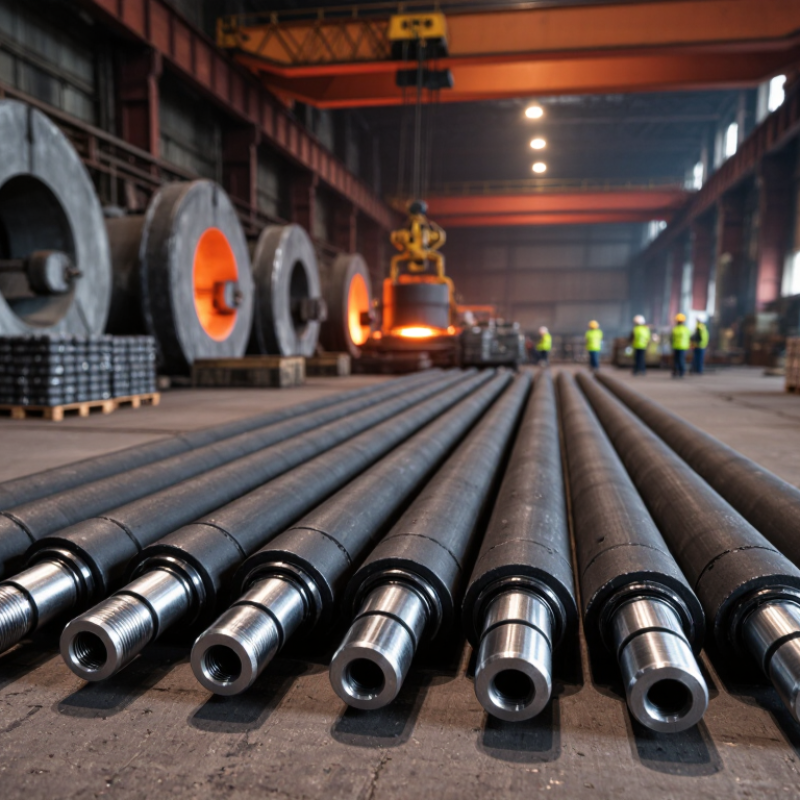
A 200 mm × 1,800 mm graphite electrode designation usually means nominal diameter by overall length. It does not describe the usable length after installation. The nipple joint, machining, and operating losses all matter. A 200 mm electrode can fit a compact furnace setup, but the dimensions alone do not confirm suitability.
Grade is a separate choice. RP, HP, and UHP grades differ in electrical and mechanical properties, including resistivity and flexural strength. Ask for test values and tolerances, not just a grade label. EN 60239:2005 provides dimensional designations for electric-arc-furnace electrodes; purchase specifications should also state the applicable tolerances and connection details. That sounds simple. It is not. World Steel Association’s World Steel in Figures 2024 reports that electric-arc furnaces produced about 28.5% of global crude steel in 2023, making electrode performance relevant across a substantial part of steelmaking. Still, that industry share cannot determine the right grade for one furnace. Check the furnace current, duty cycle, and electrode consumption records. A neat size description can hide important gaps.
QUICK LINKS
CONTACT US
Office: (+86) 755 23040566
Tel: (+86) 158 9965 5195
E-mail: sale@pcbledmodule.com
Skype: Hans@Rocket-PCB
Whatsapp: 86 1589965 5195
Office Address: 2207,Bid 4,He Gu Shan Hui Cheng,35#,Guang Tian RoYanluo street, Song Gang Town,518105 SHENZHENG, CHINA
Plant ADD.: No 69, Lianfeng North Road, Xianxi Area, ChangAn Town, Dongguan, China.


Copyright © 2025 Rocket PCB Solution Ltd. | All Rights Reserved Sitemap Friendship link: CNC machining heat sink