
English


China’s cast iron valve industry supports water treatment, building services, irrigation, fire protection, and general process systems. This guide examines China’s top 10 Cast Iron Valves manufacturers through practical purchasing criteria, not popularity alone. The selection considers foundry experience, machining accuracy, pressure testing, material traceability, export performance, and technical support. These details matter when a valve operates underground, inside a pump room, or beneath a busy road.
A reliable manufacturer should show clear material grades, inspection records, coating specifications, and relevant quality certifications. Buyers should also check whether each factory controls casting, machining, assembly, and testing in-house. Some suppliers present impressive catalogs but provide limited evidence about production consistency. That gap deserves attention. Product range is important, yet field reliability matters more. A resilient wedge gate valve, for example, should open smoothly after long storage and maintain sealing under repeated pressure cycles. Dimensions, flange standards, temperature limits, and spare-part availability must also match the project design.
This ranking is not absolute. No list is perfect. Factory capabilities can change, and online information may remain incomplete. Therefore, readers should request current technical documents, sample inspection reports, factory audit access, and project references before placing an order. Direct communication with engineers often reveals more than polished marketing language. The manufacturers discussed here represent useful starting points for comparison, while final decisions should reflect operating conditions, lifecycle cost, delivery reliability, and verified performance. Good valves are not chosen by names alone. They are chosen by evidence.
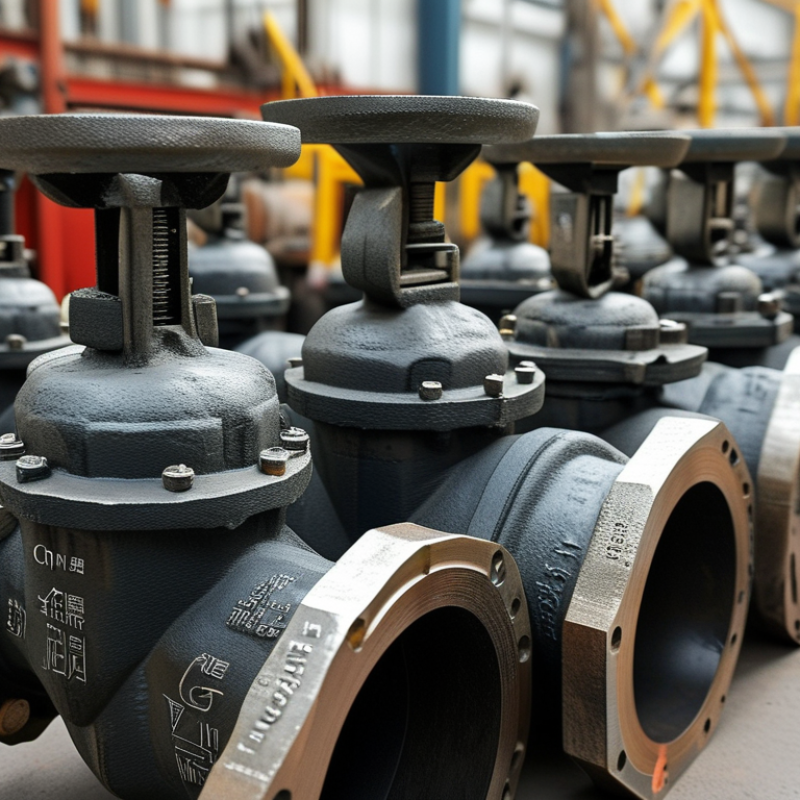
China’s cast iron valve industry serves water networks, HVAC systems, irrigation, and fire protection. Common products include gate, globe, check, butterfly, and resilient-seated valves. Grey cast iron suits stable, low-pressure services. Ductile iron handles higher pressure and impact better. Material choice still matters more than appearance.
According to Grand View Research, the global industrial valves market reached approximately USD 78 billion in 2023. China remains a major manufacturing and consumption base, supported by municipal water investment and industrial construction. However, production volume does not prove reliability. Buyers should verify pressure testing, casting quality, traceability, and coating performance. Relevant references include China’s GB/T standards, ISO 5208 testing, and API requirements where applicable. Exact compliance depends on the valve design and project specification.
Tips: Check the body material certificate, pressure class, test records, and coating thickness. Ask for samples from the same production batch. A low price can hide weak machining or uneven sealing. Field experience shows that installation errors also cause leakage, not only poor valves. No top-ten list is perfectly objective; factory audit results, application history, and after-sales response should influence the final selection. Some reports group cast iron and ductile iron together, which can distort comparisons. That limitation deserves attention.
QUICK LINKS
CONTACT US
Office: (+86) 755 23040566
Tel: (+86) 158 9965 5195
E-mail: sale@pcbledmodule.com
Skype: Hans@Rocket-PCB
Whatsapp: 86 1589965 5195
Office Address: 2207,Bid 4,He Gu Shan Hui Cheng,35#,Guang Tian RoYanluo street, Song Gang Town,518105 SHENZHENG, CHINA
Plant ADD.: No 69, Lianfeng North Road, Xianxi Area, ChangAn Town, Dongguan, China.


Copyright © 2025 Rocket PCB Solution Ltd. | All Rights Reserved Sitemap Friendship link: CNC machining heat sink