
English


An Automatic Transmission Filter helps trap clutch material, metal particles, and other debris before they circulate through the transmission. When the filter becomes restricted or poorly fitted, fluid flow may suffer, and shifting can feel rough or delayed. Yet a filter is only one part of transmission care. Fluid condition, service history, and the correct installation all matter.
The seven options in this guide are compared by fitment, construction, filtration design, included seals or gaskets, and practical value. Some kits suit routine fluid changes, while others may be better for specific vehicle applications. There is no universal winner. A highly rated filter can still be the wrong choice for a particular transmission.
Check the vehicle’s year, make, model, engine, and transmission code before ordering. Small details count. A gasket that looks nearly identical may not seal correctly, and catalog listings can sometimes be incomplete. Compare manufacturer specifications, verify compatibility with a trusted parts source, and follow the service procedure for your vehicle. If the pan contains heavy metal fragments or the transmission shows persistent slipping, replacing the filter alone may not address the underlying problem. That is easy to overlook. This comparison aims to make the choices clearer, not promise a repair or a longer transmission life. Use it as a starting point, then confirm the details that apply to your vehicle.
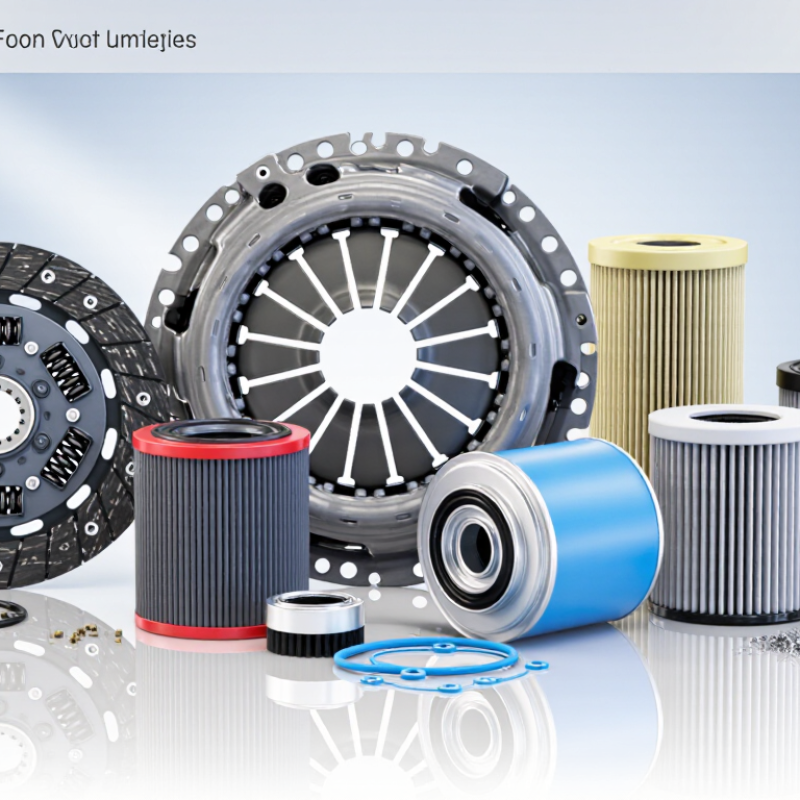
An automatic transmission filter helps keep dirt, clutch material, and tiny metal particles from circulating through the gearbox. It sits in the fluid path, often near the sump, where it screens debris before fluid reaches sensitive passages. Cleaner fluid helps protect the pump, valve body, and clutch packs from abrasive wear. Small particles matter. Some transmissions also use magnets to collect ferrous debris, but a filter cannot catch every contaminant.
A restricted filter may reduce fluid flow, especially when debris has built up over time. The transmission can then shift roughly, hesitate, or run hotter, though these symptoms have other possible causes. A filter change is not a cure-all. Follow the vehicle’s service information for the correct filter, fluid, and level-check procedure; installation details vary. Even so, a clean-looking pan can mislead, and a filter is not a perfect early-warning system.
Tips: Check the service schedule, and inspect the drained fluid for unusual burnt smells or heavy debris. Use the specified fluid and fit the filter securely. If shifting problems continue after service, seek a proper diagnosis rather than replacing parts by guesswork.
| Filter Type | How It Filters | Best Suited For | Gearbox Protection | Fitment and Maintenance Notes |
|---|---|---|---|---|
| Vehicle-specific replacement filter | Uses the filter media and pickup design specified for the transmission. | Routine servicing when the original pan and transmission configuration are retained. | Helps keep wear particles and other debris from circulating through the hydraulic system. | Match the filter to the exact transmission; check the seal or grommet and install it as directed. |
| Deep-pan-compatible filter | Uses a pickup tube or filter body designed to work with a deeper-than-standard pan. | Transmissions fitted with a deeper replacement pan. | Maintains the correct fluid pickup position, helping reduce the risk of fluid starvation. | Use a filter designed for the pan depth. A standard-height filter may not reach the fluid correctly. |
| Felt or fiber-media filter | Fluid passes through porous media that captures fine contaminants; construction varies by application. | Transmissions designed for a media-style internal filter. | Can capture finer debris than a coarse screen, helping limit contamination in hydraulic passages. | Usually replaced rather than cleaned. Follow the transmission maker’s service instructions. |
| Metal-mesh screen filter | A woven or formed screen blocks larger particles while allowing fluid to pass through. | Applications designed to use a screen-type filter. | Helps stop larger debris from reaching the pump and hydraulic circuits. | Some screens can be cleaned, but cleanability depends on the design. Replace damaged or restricted screens. |
| External spin-on filter | A sealed, replaceable canister contains filter media and attaches to a dedicated mounting point. | Transmissions designed or equipped for an external spin-on filter. | Provides a convenient service point for capturing circulating contaminants. | Not a universal fit. Confirm the specified filter, flow direction, and replacement interval. |
| In-line cooler-circuit filter | An external unit filters fluid in a transmission cooler line; some designs include a bypass valve. | Approved cooler-line installations or applications where an external filter is specified. | Can capture debris in the cooler circuit before fluid returns to the transmission. | Install only in the specified line and direction. Check flow capacity and bypass requirements to avoid restricting circulation. |
| Magnetic-assisted filter or pan setup | A magnet collects ferrous particles; the transmission filter separately traps debris according to its media design. | Servicing a compatible pan or filter arrangement where a magnet is specified or suitable. | Can retain some iron-based wear particles that a magnet can attract. | A magnet is not a substitute for the filter and will not capture non-ferrous debris. Inspect and clean it during service if the design allows. |
| Selection note: The correct filter depends on the exact transmission, pan configuration, and manufacturer’s service specification. Filtration efficiency, media, and replacement intervals vary by application; use published specifications rather than assuming a universal micron rating. | ||||
QUICK LINKS
CONTACT US
Office: (+86) 755 23040566
Tel: (+86) 158 9965 5195
E-mail: sale@pcbledmodule.com
Skype: Hans@Rocket-PCB
Whatsapp: 86 1589965 5195
Office Address: 2207,Bid 4,He Gu Shan Hui Cheng,35#,Guang Tian RoYanluo street, Song Gang Town,518105 SHENZHENG, CHINA
Plant ADD.: No 69, Lianfeng North Road, Xianxi Area, ChangAn Town, Dongguan, China.


Copyright © 2025 Rocket PCB Solution Ltd. | All Rights Reserved Sitemap Friendship link: CNC machining heat sink

