
English


For global buyers, RTO means more than a parcel returning to a warehouse. It can create two delivery charges, customs delays, handling fees, and damaged inventory.
The NRF and Appriss Retail 2024 Consumer Returns in the Retail Industry report estimated $890 billion in U.S. merchandise returns during 2024. It also placed the overall return rate at 16.9% of annual retail sales. These figures do not measure RTO alone. That distinction matters. RTO often begins with failed delivery, incomplete addresses, refused parcels, or unpaid duties.
The cost can become visible quickly. A package leaves Shenzhen, reaches Frankfurt, misses the customer, and travels back. Every scan adds time and handling.
Tobin Moore, CEO of Optoro, has said, “Returns are not a cost center; they are an opportunity.” That view is useful, but incomplete for cross-border shipments. An avoidable RTO is still a preventable expense.
This guide presents seven practical RTO tips for global buyers. They cover address validation, delivery preferences, localized checkout information, carrier selection, duty transparency, shipment tracking, and smarter return routing. Each action can reduce failed deliveries before they become expensive reverse shipments.
Small details matter.
A phone number formatted for Brazil may fail in another system. A vague apartment field can strand a parcel in London. A buyer may also misunderstand who pays import duties.
Data from the International Post Corporation and major carrier performance reports shows that delivery quality depends heavily on accurate address and recipient information. Still, no checklist works perfectly across every market. Buyers should test one region, review failed-delivery reasons, and adjust the process.
Lower RTO costs require disciplined operations, not optimistic assumptions.
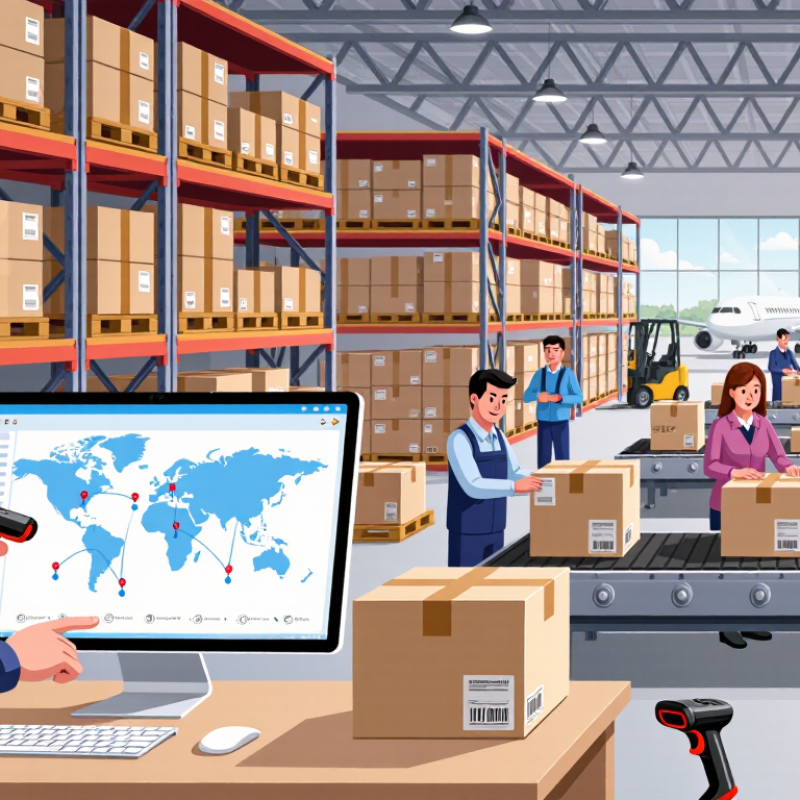
Return to Origin, or RTO, happens when a parcel cannot reach the buyer and travels back to the seller. Common causes include an incomplete address, missed delivery attempts, unpaid import charges, or unclear recipient information. That is RTO.
For global buyers, the expense is rarely limited to the original freight fee. A failed delivery may create outbound shipping, return transportation, warehouse handling, customs processing, and repacking costs. Storage charges can also increase when a parcel waits for instructions. Costs multiply quickly. In some markets, refunds and currency changes add further pressure.
From my experience reviewing international orders, address quality is often the first controllable factor. A missing apartment number can cause a delivery failure within hours. Delivery attempts also matter. Some regions need phone confirmation, local access details, or scheduled delivery windows. Customs data must match the commercial documents, including product descriptions and declared values.
Seasonal peaks make the problem less predictable. Parcels may remain in a depot longer, while support teams handle more complaints. Buyers should measure RTO by destination, product type, carrier handoff, and failure reason. A low average rate can hide serious issues in one country. I have also seen teams blame transportation too quickly. Sometimes the checkout form created the error. Small gaps matter, and the data deserves another review.
QUICK LINKS
CONTACT US
Office: (+86) 755 23040566
Tel: (+86) 158 9965 5195
E-mail: sale@pcbledmodule.com
Skype: Hans@Rocket-PCB
Whatsapp: 86 1589965 5195
Office Address: 2207,Bid 4,He Gu Shan Hui Cheng,35#,Guang Tian RoYanluo street, Song Gang Town,518105 SHENZHENG, CHINA
Plant ADD.: No 69, Lianfeng North Road, Xianxi Area, ChangAn Town, Dongguan, China.


Copyright © 2025 Rocket PCB Solution Ltd. | All Rights Reserved Sitemap Friendship link: CNC machining heat sink

