English


Installing an Electrofusion Reducing Sleeve is a precise process, not a quick coupling task. The fitting joins pipes with different diameters, so preparation and alignment matter greatly. A small scrape, gap, or movement can weaken the finished connection. Plastic pipe specialist Tony Radoszewski has emphasized, “A fusion joint is only as good as the preparation behind it.” That principle guides this practical installation outline.
The article will explain how to identify the correct sleeve, confirm pipe dimensions, and inspect the fitting before work begins. It will cover cutting the pipe square, removing oxidation, cleaning the fusion zone, and marking insertion depth. Use proper tools. Avoid guesswork. The pipe should enter smoothly without forcing the sleeve. Clamps or alignment equipment can help prevent movement during heating and cooling.
The guide will also describe how to connect the electrofusion control unit, check barcode data when available, and follow the fitting manufacturer’s fusion cycle. Do not touch the prepared surfaces with bare hands. Even fingerprints can introduce contamination. After fusion, the joint must remain still during the stated cooling period. Rushing this stage is a common mistake.
Visual inspection comes next. Look for abnormal movement, damaged wires, poor insertion, or visible fitting distortion. A good appearance does not prove internal strength, so approved testing and documentation remain important. Requirements may differ under local regulations, ISO standards, ASTM guidance, or manufacturer instructions. This outline is useful, but it is not a substitute for qualified training. The process seems simple. Real work is less forgiving.
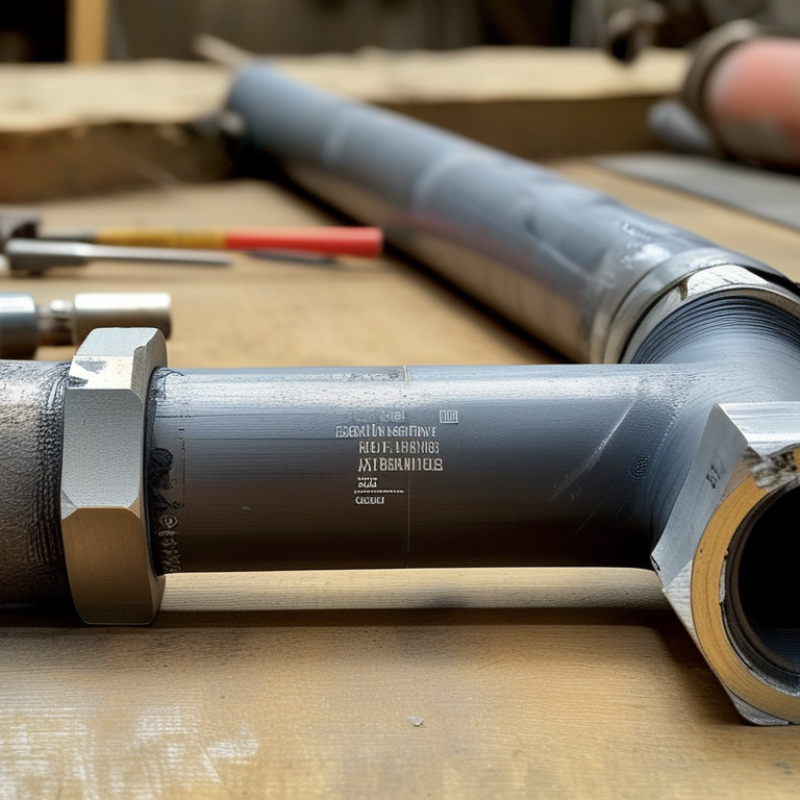
Before installation, review the reducing sleeve, pipe, and electrofusion equipment together. Confirm the sleeve matches the pipe material, outside diameters, and pressure rating. Check both pipe ends for cracks, ovality, moisture, and deep scratches. The sleeve should be clean and undamaged. Never rely on appearance alone.
Measure and mark the required insertion depth on each pipe. Cut the pipe squarely, then remove surface oxidation with a suitable scraper. Do not use abrasive paper, knives, or greasy cloths. Clean the prepared areas with an approved lint-free wipe, and keep them dry. A rushed scrape can leave untreated plastic beneath the fitting. That small error may weaken the joint. I would inspect the surface twice, even when the pipe looks ready.
Support the pipes so they remain straight and stress-free. Insert both ends into the reducing sleeve without twisting. Connect the electrofusion leads securely, then check the equipment’s calibration, voltage, and cable condition. Use the heating and cooling times specified for the sleeve. Keep the joint still during fusion and cooling. Do not spray water on it. The equipment display deserves attention, but the joint deserves more. After cooling, inspect the indicator pins, alignment, and fitting movement. Record the fusion details before pressure testing. If the sleeve shifts, the pipe is oval, or the equipment gives an unusual reading, stop and reassess the joint.
QUICK LINKS
CONTACT US
Office: (+86) 755 23040566
Tel: (+86) 158 9965 5195
E-mail: sale@pcbledmodule.com
Skype: Hans@Rocket-PCB
Whatsapp: 86 1589965 5195
Office Address: 2207,Bid 4,He Gu Shan Hui Cheng,35#,Guang Tian RoYanluo street, Song Gang Town,518105 SHENZHENG, CHINA
Plant ADD.: No 69, Lianfeng North Road, Xianxi Area, ChangAn Town, Dongguan, China.


Copyright © 2025 Rocket PCB Solution Ltd. | All Rights Reserved Sitemap Friendship link: CNC machining heat sink