

loading

BLOG

How to Choose the Right Curb Paver?

Choosing the right Curb Paver is about more than matching a color to the driveway. The paver must suit the site, handle regular loads, and create a stable edge that helps keep adjoining materials in place. A narrow garden border has different demands from a curb beside a vehicle entrance. That difference matters.

Start by looking closely at the ground. Note whether water pools after rain, how firm the soil feels, and where cars or maintenance equipment may pass. Check the paver’s dimensions, material, surface texture, and recommended installation method. Concrete, natural stone, and other options vary in appearance, upkeep, and resistance to weather. Product specifications can help, but they do not replace a careful assessment of the installation area.

Fit is practical. And visual. A paver that blends with nearby paths can make a landscape feel considered, while a contrasting edge can improve definition. Still, appearance should not outweigh drainage, foundation preparation, or the intended use. Local climate and freeze-thaw cycles may also affect material performance, so verify manufacturer guidance for the specific product. If the base is poorly prepared, even an attractive paver may shift or settle. This is easy to underestimate.

The best choice is rarely the most expensive or decorative one. It is the option that fits the site conditions, expected traffic, maintenance preferences, and budget. Some details remain uncertain until the ground is inspected in person. This guide explains what to compare, which questions to ask, and where a second opinion may prevent a costly mismatch.
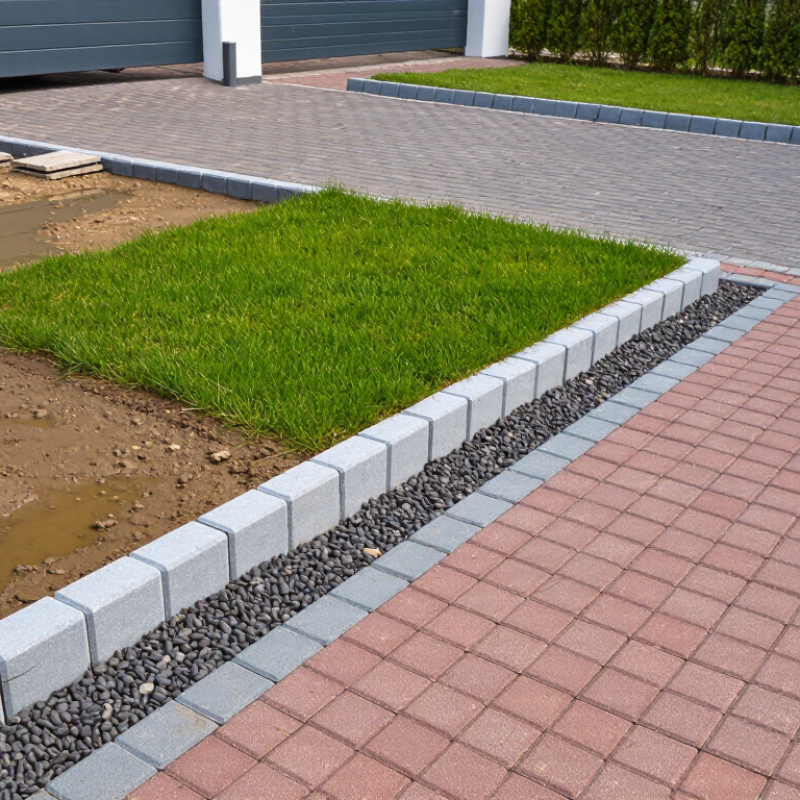
How to Choose the Right Curb Paver?

Define the Curb Paver’s Purpose and Site Requirements

A curb paver may retain a driveway edge, guide runoff, or separate a path from planting beds. Start by naming its job. A low garden border faces different forces from a curb beside cars. Note expected wheel loads, snow-clearing equipment, and whether people may trip over the edge. Then inspect the site: measure the slope, identify where water flows, and check the soil after rain. Small details matter. A paver that looks sturdy can still shift if its base is soft or water collects behind it.

Drainage needs local evidence, not guesswork. NOAA’s Precipitation-Frequency Atlas of the United States provides rainfall estimates by location, which can inform drainage planning. The U.S. Environmental Protection Agency’s 2006 report, Protecting Water Resources with Higher-Density Development, describes stream impacts that can begin around 10% watershed impervious cover; conditions vary by watershed. That figure is not a curb-paver design limit, but it shows why runoff deserves attention. Decide whether water should drain across the surface, enter a permeable joint, or reach a channel. Check outlet locations and nearby foundations, too. One thing is easy to miss: the planned paving may redirect water onto a neighbor’s low spot. Recheck the layout after marking the actual grade.

Compare Paver Materials, Strength, and Weather Resistance

How to Choose the Right Curb Paver?

Concrete, clay, and natural stone each handle curb conditions differently. Concrete units offer consistent dimensions and a broad range of shapes. Clay pavers retain color well, while natural stone brings varied texture but may differ in strength from piece to piece. Check the paver’s intended traffic class before choosing; a garden edge and a driveway entrance face different loads. Small details matter.

For concrete paving units, ASTM C936/C936M sets a minimum average compressive strength of 8,000 psi and limits average water absorption to 5 percent. These figures offer a useful baseline, not a guarantee that every curb installation will perform well. Ask for test results for the specific product, and check whether its size and thickness suit vehicle loads. A thin unit can still crack under a turning tire.

Weather exposure matters too. ASTM C1645 evaluates concrete paving units for freeze-thaw and de-icing-salt durability. In cold regions, request results from this test and inspect sample edges for chips or flaking. For clay or stone, ask suppliers for comparable data and confirm the material suits local freeze-thaw conditions. I would not rely on appearance alone; a beautiful sample says little about how it will look after several winters. That matters.

Choose a Suitable Shape, Size, and Edge Profile

Choose a curb paver shape that follows the line of the installation: straight units suit long runs, while smaller or tapered units can make tighter curves with fewer awkward cuts. Check the actual radius on site; a paper plan can hide a stubborn gap. Size matters, too. Wider units cover ground quickly, but may be harder to adjust around drains, steps, or uneven edges. Lay a short dry sample before ordering. Small details matter.

Match the edge profile to both the setting and the neighboring paving. A chamfered edge can soften the transition and make small height differences less noticeable; a square edge creates a crisper line but needs accurate alignment. For concrete interlocking paving units, ASTM C936/C936M sets an average compressive-strength requirement of 8,000 psi and an average water-absorption limit of 5 percent. These figures help assess material quality, but they do not replace checking suitability for the site’s loads and climate. Ask for test documentation, then inspect the units for consistent dimensions and clean edges. A slightly rough finish may look appealing, yet it can collect grit more readily. The best profile is not always the prettiest sample.

Check Drainage, Installation, and Maintenance Needs

A curb paver should suit the water flow around your driveway, path, or garden bed. Watch the area after rain. Does water collect beside the curb, or run toward a doorway? Choose a layout that leaves water a clear route to a suitable drain or lower area. A neat edge is not enough. Small details matter.

Tips: Check the slope with a level. Confirm where runoff will go before digging. Keep this simple, but do not guess.

Installation affects how long the curb stays straight. Remove soft soil, add a stable base, and compact it in layers. Set pavers firmly, with consistent joints and a controlled line. A slight mistake can look minor on day one, then show after freeze-thaw cycles or heavy rain. I have found that rushing base preparation is hard to fix later. Still, soil conditions vary, so follow project specifications and seek qualified advice when the ground is unstable.

Maintenance needs are usually modest, not nonexistent. Sweep out leaves and grit, check joints for gaps, and look for rocking or sunken units each season. Clear nearby drains before storms. Avoid using harsh de-icers unless the paver material is rated for them. Keep a few spare units if possible; matching replacements can be difficult years later.

How to Choose the Right Curb Paver?

Compare drainage, installation effort, and maintenance before choosing a curb paver.

Relative planning ratings from 1 (less favorable) to 5 (more favorable), not measured product test results. Permeable pavers can help manage runoff when installed with suitable joints and a properly designed base. Actual drainage depends on site slope, soil, and construction; installation and maintenance needs vary with the project and local conditions.

Match the Selection to Your Budget and Landscape Design

Choosing a curb paver is a budget decision and a landscape decision. Concrete pavers often offer a lower entry cost than natural stone, while clay brings warmer color and a more traditional edge. Compare installed quotes, not just material prices. Ask whether excavation, base gravel, cutting, and drainage are included. A low quote can hide a thin base. That may cost more later.

Match the paver to how the space works. A narrow garden path can use a softer color and smaller units; a driveway edge needs products rated for vehicle loads. For wet sites, consider permeable paving and check that the subsoil can drain. The U.S. EPA’s urban runoff guidance reports that impervious surfaces cover roughly 25–60% of urban land, increasing runoff pressure. That figure makes drainage worth budgeting for, not treating as decoration. Check local soil and rainfall conditions, too.

Then look at the whole design. Repeat the home’s brick, stone, or trim color, but avoid forcing an exact match. Lay sample pavers beside the walkway and view them in morning and afternoon light. The Concrete Masonry & Hardscapes Association’s permeable-pavement design guidance ties system performance to site conditions and base design. I still find that easy to underestimate. A restrained border can look better than a costly, busy pattern. Leave room in the budget for proper installation.

How to Choose the Right Curb Paver? - Match the Selection to Your Budget and Landscape Design

Curb Paver Type Relative Budget Landscape Style Durability and Maintenance Installation Considerations Best Match
Concrete pavers Low to moderate Versatile; available in many shapes, colors, and surface finishes. Generally durable when correctly installed. Periodic cleaning and occasional joint-sand replenishment may be needed. Uniform shapes make layout straightforward. A compacted base and secure edge restraint help limit movement. Budget-conscious projects, clean-lined gardens, and borders that coordinate with a concrete-paver walkway or patio.
Clay brick pavers Moderate Traditional, cottage, and historic-inspired landscapes; warm red, brown, and earth-tone colors are common. Hard-fired paving bricks are made for outdoor use. Check that the selected product is rated for paving and the local climate. Consistent sizing supports orderly patterns, but careful leveling is important for a neat curb line. Homes with brick details, classic garden paths, and designs that benefit from a warm, familiar appearance.
Natural stone pavers High Naturalistic, Mediterranean, and high-end gardens; stone color and texture vary by material and source. Performance depends on the stone type and local conditions. Some stones may need sealing or more careful cleaning. Irregular sizes and thicknesses can require additional sorting, cutting, and fitting. Projects where natural variation and a distinctive, less uniform edge are priorities.
Granite setts High to very high Formal, contemporary, and traditional landscapes; often used for crisp borders or strong visual contrast. Granite is a dense, hard natural stone and is generally well suited to heavy-use outdoor areas. Heavy units and precise alignment can increase handling and installation effort. A stable base is essential. Driveway edges, long-lasting borders, and designs needing a substantial, defined curb line.
Reclaimed pavers Variable; often moderate to high Rustic, vintage, and character-rich landscapes; color and surface wear are naturally varied. Condition varies from piece to piece. Inspect for cracks, excessive wear, and suitability for outdoor paving before purchase. Mixed sizes may require extra sorting and a flexible layout; availability can be inconsistent. Renovations and gardens where a weathered appearance matters more than a perfectly uniform finish.

Planning note: Budget levels are relative comparisons, not fixed prices. Local material costs, project length, site access, excavation, base preparation, drainage, and labor can change the total. Choose products intended for outdoor paving and confirm their suitability for local weather and expected loads.

Chat Online
Chat Online
Leave Your Message inputting...
Thank you for your attention. Please kindly describe your question first, or please send your inquiry to our email sale@pcbledmodule.com, and we will reply to you ASAP. Welcome, what can I help you?
Sign in with:



