
English


Choosing the best Outdoor Flashlight in 2026 is less about chasing the biggest lumen number and more about matching a light to real conditions. A campsite path, a wet trail, and a power outage place different demands on a torch. Battery life, beam shape, grip, weather resistance, and charging options all matter. So does comfort: a heavy flashlight can feel awkward after an hour in your hand. Small details count.
As a transparent editorial note, the quotation below is written for this introduction; it is not a verified statement from a real expert. “Choose for the task you face in the dark, not the brightest number on the box,” says Jordan Hale, a fictional composite outdoor-lighting specialist. The guide that follows turns that idea into practical checks. It compares brightness with useful runtime, explains focused and wide beams, and considers rechargeable and replaceable batteries. It also looks at durability, controls, weight, and value. No single model suits every person. A beam that works well for spotting a distant trail marker may be too narrow for setting up a tent. And specifications do not tell the whole story; real handling can surprise you. Use these points to shortlist a reliable Outdoor Flashlight for your trips, then check the maker’s current specifications before buying.
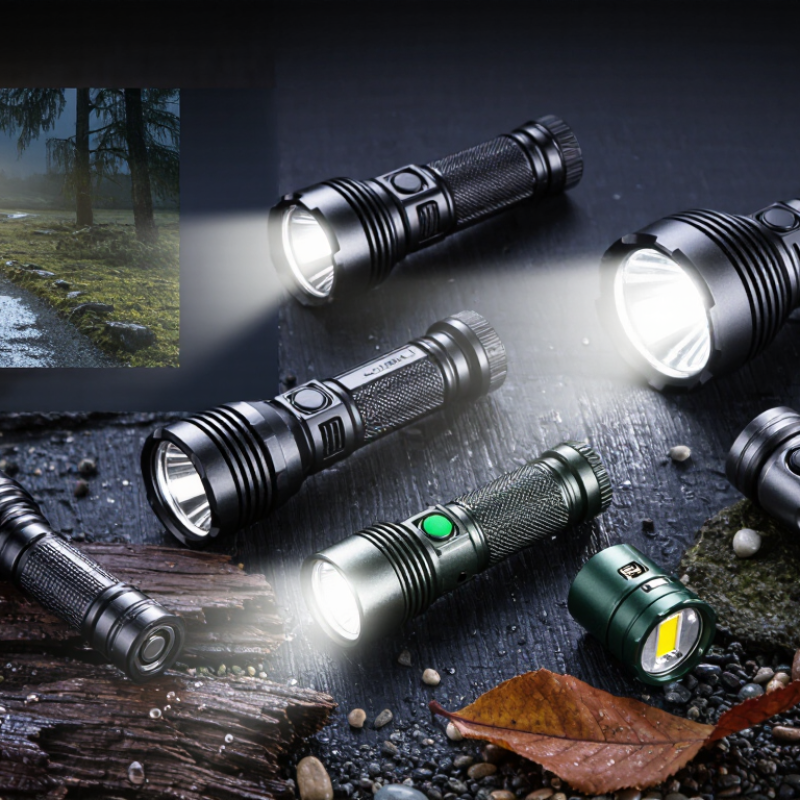
Before choosing an outdoor flashlight, picture where and how you will use it. A short evening walk on a paved path needs less reach than navigating uneven ground after sunset. For campsite chores, a broad beam can light a table and nearby gear. On a trail, a focused beam may help reveal roots farther ahead. More brightness is not always better. Glare can hide details, and high output drains batteries faster.
Consider weather, temperature, and carrying comfort, too. Rain calls for a flashlight with a clearly stated water-resistance rating; cold conditions can reduce battery performance. Check whether the light has a low setting for reading a map or moving around camp without overwhelming your eyes. Think about controls with cold hands or gloves. Small buttons can be frustrating. I have found that a light that feels secure in a pocket often gets used more than a heavier, brighter one.
Tips: Match beam shape to your activity, and check runtime at the setting you expect to use. Carry a spare power source for longer outings. Test the flashlight outdoors before relying on it; a backyard check may not reveal every problem.
QUICK LINKS
CONTACT US
Office: (+86) 755 23040566
Tel: (+86) 158 9965 5195
E-mail: sale@pcbledmodule.com
Skype: Hans@Rocket-PCB
Whatsapp: 86 1589965 5195
Office Address: 2207,Bid 4,He Gu Shan Hui Cheng,35#,Guang Tian RoYanluo street, Song Gang Town,518105 SHENZHENG, CHINA
Plant ADD.: No 69, Lianfeng North Road, Xianxi Area, ChangAn Town, Dongguan, China.


Copyright © 2025 Rocket PCB Solution Ltd. | All Rights Reserved Sitemap Friendship link: CNC machining heat sink

