English


Choosing the best gaming mouse starts with your hand, your games, and your desk—not a flashy specification sheet. A compact mouse may feel quick in a shooter, yet cramp larger hands during a long session. A heavier model can feel steadier, but repeated lifts may become tiring. Small details matter: the shape against your palm, the reach to each side button, and the glide of the feet across your mouse pad. Comfort is personal. There is no universal winner.
For Mouse Gaming, compare sensor performance, weight, connectivity, and button layout with the way you actually play. High DPI numbers look impressive, but they do not automatically improve aim; consistent tracking and a comfortable sensitivity are more useful. Wired and wireless models can both work well, though battery life, cable drag, and charging habits deserve a practical look. Try a mouse for several minutes if possible. Notice pressure at your wrist and whether clicks feel easy to repeat. That matters. Reviews and specifications help narrow choices, but they cannot fully predict how a shape will fit your hand. I might choose a different mouse after a week than I would after one quick test. That is worth remembering. The right choice balances comfort, reliable performance, and price, without assuming that the most expensive model is best.
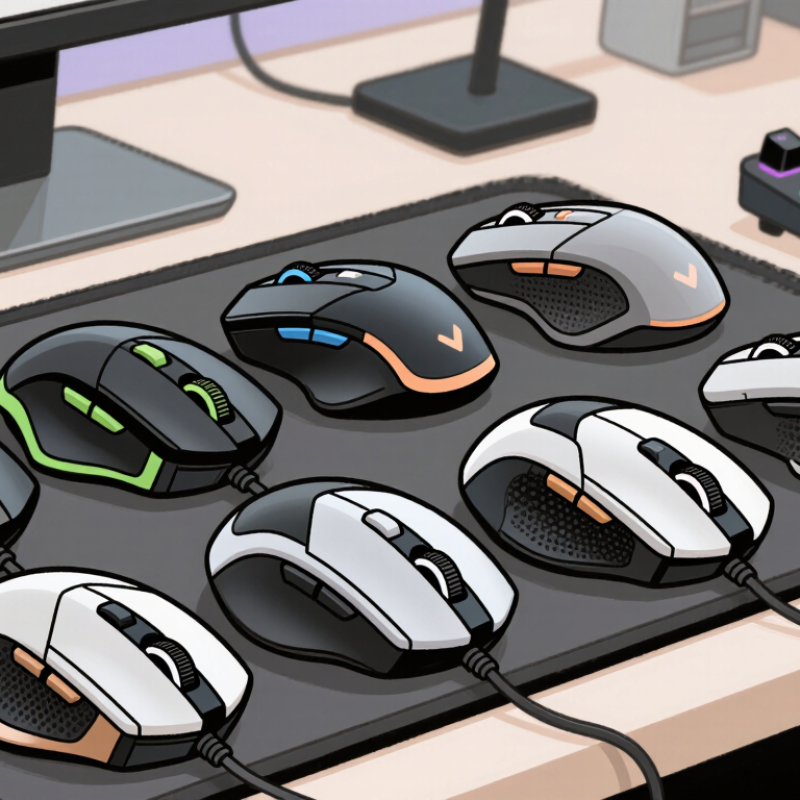
Your gaming style should shape your mouse choice more than a high specification on its own. In fast-paced shooters, a light mouse and reliable tracking can make quick turns feel easier. Strategy and role-playing games may benefit more from extra side buttons for frequent commands. Neither setup is automatically better. Match the features to the actions you repeat most.
Tips: Note your usual grip, sensitivity, and session length. Test the mouse with the movements you actually use. Small details matter. A sensor’s maximum DPI is not a measure of skill; many players prefer a lower setting for steadier control. Check whether the shape supports your fingers without pressure after a longer session.
Comfort and consistency deserve a close look. If your wrist feels tense, a different shape or lighter weight may help, though posture and desk setup matter too. Specs can be tempting, and it is easy to overvalue them. Try adjusting one setting at a time, then give yourself a few sessions to judge the change. Test before deciding. A mouse that feels unfamiliar on day one may simply need adjustment, but persistent discomfort is worth taking seriously.
QUICK LINKS
CONTACT US
Office: (+86) 755 23040566
Tel: (+86) 158 9965 5195
E-mail: sale@pcbledmodule.com
Skype: Hans@Rocket-PCB
Whatsapp: 86 1589965 5195
Office Address: 2207,Bid 4,He Gu Shan Hui Cheng,35#,Guang Tian RoYanluo street, Song Gang Town,518105 SHENZHENG, CHINA
Plant ADD.: No 69, Lianfeng North Road, Xianxi Area, ChangAn Town, Dongguan, China.


Copyright © 2025 Rocket PCB Solution Ltd. | All Rights Reserved Sitemap Friendship link: CNC machining heat sink