
English


Choosing a Color Dosing Machine in 2026 is less about finding the most advanced model and more about matching equipment to your production line. A machine that works well for one resin, colorant, or output rate may struggle with another. Start with the material: pellets, powder, and liquid colorants can require different feeding methods. Then check the dosing range, expected throughput, and compatibility with your molding or extrusion process.
Look closely at repeatability, not just advertised accuracy. Ask how the supplier tests dosing performance under real operating conditions, and whether settings can be adjusted for changing production needs. A clear control interface helps operators set ratios and spot errors. Easy access to hoppers and contact surfaces can also reduce cleaning time between color changes. Small details matter. Ask about calibration procedures, spare parts, training, and local technical support before comparing prices.
The best choice is rarely universal. A compact feeder may suit a small line, while continuous production could call for a higher-capacity system. Consider installation space, integration with existing equipment, and the cost of routine maintenance. Request a material trial when possible, using your actual colorant and resin. Results may differ from a demonstration. That is worth remembering. This guide explains the main machine types, selection criteria, and questions to ask suppliers, so you can make a practical decision based on production needs rather than features alone.
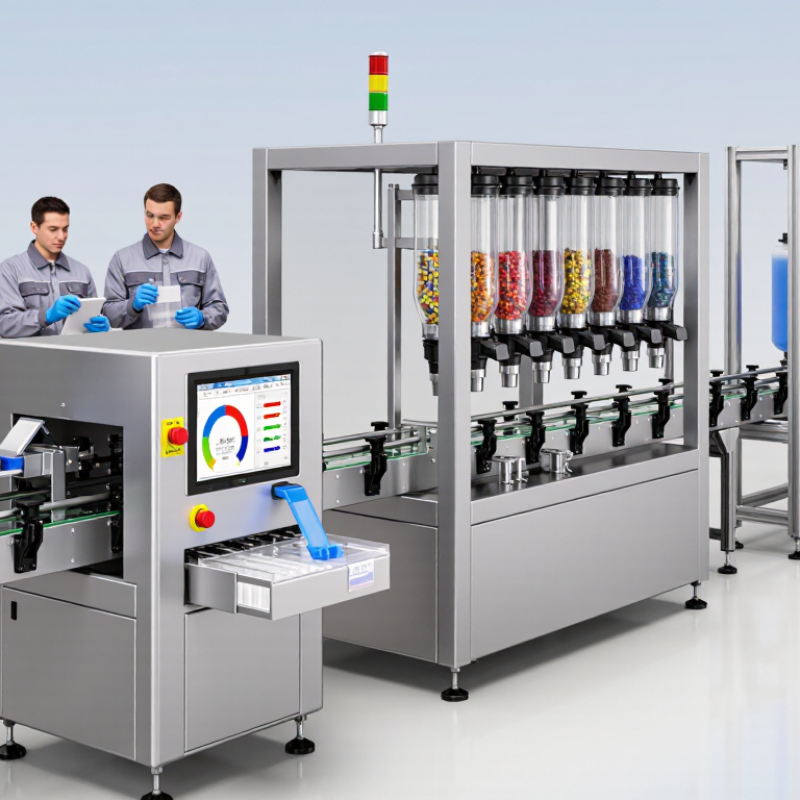
Start with the process, not the machine’s advertised capacity. In injection molding, color is usually metered into resin before the material enters the screw. Check shot size, cycle time, and how often colors change. A small press running short shots may need more precise low-rate dosing than a large machine.
Extrusion calls for steady output over long runs. The dosing unit must keep pace as screw speed or production rate changes. Watch for color streaks near startup, especially after a hopper refill. A short trial at low and high output can reveal whether the feeder stays consistent. It takes time.
Blow molding adds another variable: parison control. Uneven color can become visible across the bottle wall, even when the average dose looks correct. Match the feeder to the resin form, target addition rate, and available space above the hopper. Weighing a sample can help verify the actual feed rate. Not always. Some lines fluctuate because of bridging or inconsistent pellets, not a faulty controller. Record the resin, settings, and observed color before choosing a dosing machine.
QUICK LINKS
CONTACT US
Office: (+86) 755 23040566
Tel: (+86) 158 9965 5195
E-mail: sale@pcbledmodule.com
Skype: Hans@Rocket-PCB
Whatsapp: 86 1589965 5195
Office Address: 2207,Bid 4,He Gu Shan Hui Cheng,35#,Guang Tian RoYanluo street, Song Gang Town,518105 SHENZHENG, CHINA
Plant ADD.: No 69, Lianfeng North Road, Xianxi Area, ChangAn Town, Dongguan, China.


Copyright © 2025 Rocket PCB Solution Ltd. | All Rights Reserved Sitemap Friendship link: CNC machining heat sink

