
English


Choosing a Self Locking Connector is not just a matter of matching pin count or thread size. The right choice depends on the equipment, operating conditions, and the hands that will install it. A connector inside a vibrating pump faces different demands from one on a frequently serviced control panel. Even a small mismatch can cause loosening, intermittent signals, or difficult maintenance.
Look closely at the locking mechanism, contact arrangement, current and voltage ratings, environmental sealing, and mating cycles. Check whether users can confirm engagement by touch or sight. A latch that clicks firmly in a clean workshop may behave differently with gloves, dust, or limited access. Practical details matter. So does serviceability.
I can’t responsibly attribute a quotation to a named connector-industry expert without a verifiable source. A useful design principle for this guide is: “A secure connection must remain reliable in the conditions where it will actually be used.” That is a selection reminder, not a sourced expert quotation. The sections ahead compare key connector features and show how to weigh them against real application needs. Some trade-offs remain. A stronger lock can take longer to release, and added sealing may increase size or cost. Choosing well means checking those compromises against the job—not assuming one connector suits every system.
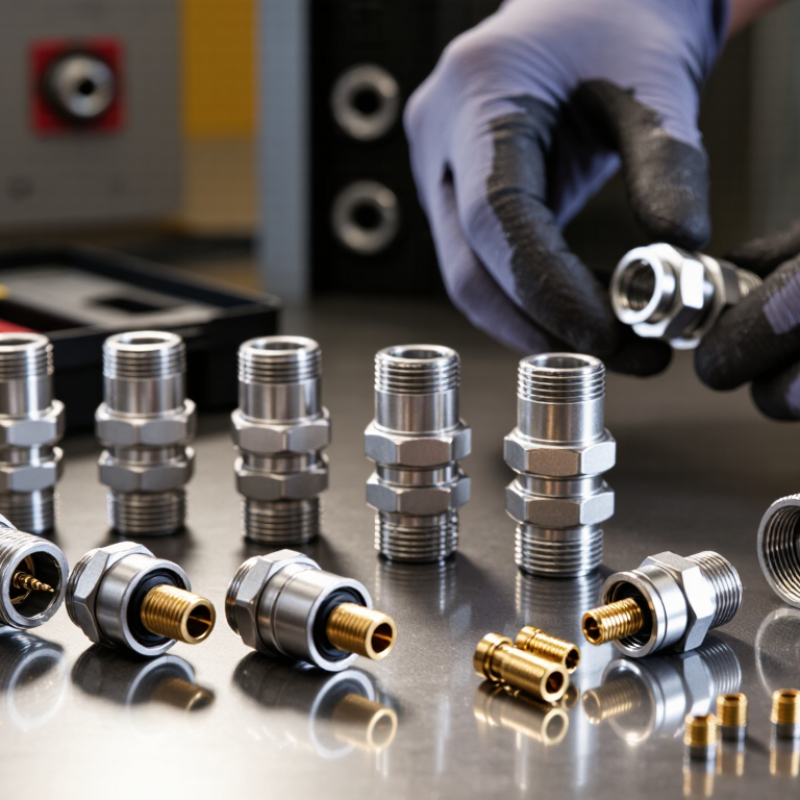
How to Choose a Self Locking Connector for Your Needs?
Understanding the Design and Function of Self-Locking Connectors
A self-locking connector uses a mechanical feature to resist accidental separation after mating. Depending on its design, that feature may be a spring latch, locking sleeve, or threaded coupling. The outer shell guides the parts together, while internal contacts carry the signal or power. It should click. But a click alone does not prove the connection is secure.
Look closely at how the lock engages and releases. A latch should return to position without sticking, and the connector should align without force. Keyed shapes can prevent incorrect mating, a useful detail when access is limited or several cables look alike. Consider vibration, connection cycles, moisture, dust, and the available space. A compact latch may be convenient, yet harder to operate with gloves.
Match the connector’s ratings to the actual application, including current, voltage, wire size, and environmental exposure. Check the manufacturer’s technical documentation rather than judging by appearance; similar housings can have different limits. For a vibrating assembly, verify that the locking method is rated for that use and test it in the installed position. Not always obvious. Cable pull can place stress on the contacts even when the lock holds. That trade-off deserves a second look.
QUICK LINKS
CONTACT US
Office: (+86) 755 23040566
Tel: (+86) 158 9965 5195
E-mail: sale@pcbledmodule.com
Skype: Hans@Rocket-PCB
Whatsapp: 86 1589965 5195
Office Address: 2207,Bid 4,He Gu Shan Hui Cheng,35#,Guang Tian RoYanluo street, Song Gang Town,518105 SHENZHENG, CHINA
Plant ADD.: No 69, Lianfeng North Road, Xianxi Area, ChangAn Town, Dongguan, China.


Copyright © 2025 Rocket PCB Solution Ltd. | All Rights Reserved Sitemap Friendship link: CNC machining heat sink

