What is a High Speed Inspection Machine and How Does It Work?
A High Speed Inspection Machine plays a crucial role in modern manufacturing. It ensures that products meet quality standards swiftly and efficiently. These machines are designed to detect any defects or inconsistencies in a fraction of a second. Their ability to operate rapidly sets them apart from traditional inspection methods.
In various industries, a High Speed Inspection Machine identifies minor flaws that the human eye might miss. For example, in the food packaging sector, it checks seals and labels at high speeds. This ensures consumers receive safe and reliable products. However, relying solely on machines can lead to overconfidence. Inspections can still miss subtle issues, highlighting the need for human oversight.
Understanding how a High Speed Inspection Machine works reveals its complexity. It uses advanced sensors and imaging technology to analyze products. Despite their efficiency, challenges remain. Machines may require frequent calibration to maintain accuracy. This ongoing process demands time and resources, reflecting the delicate balance between speed and precision.
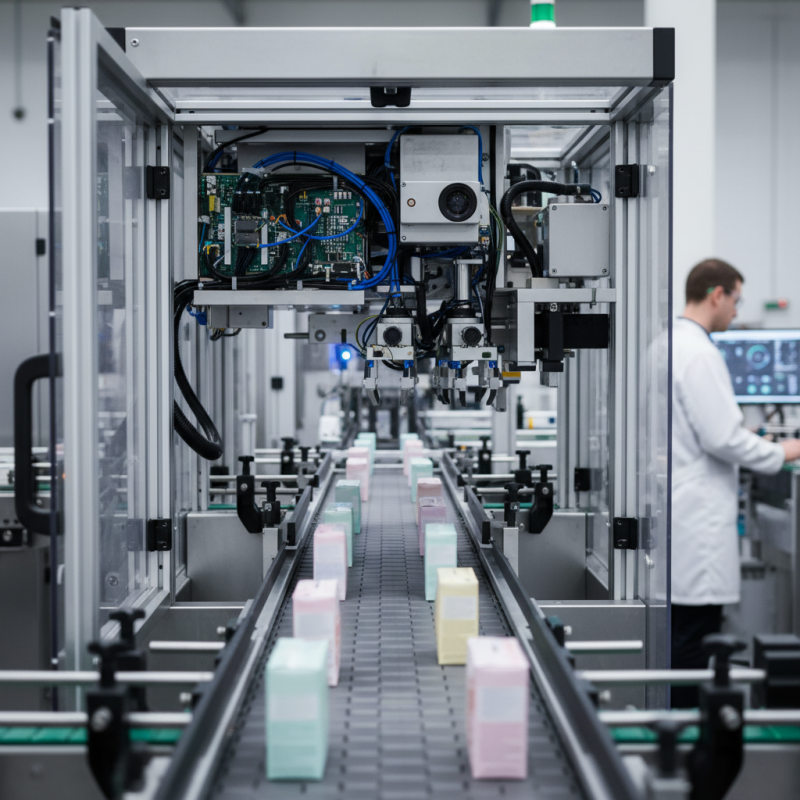
What is a High Speed Inspection Machine?
A high-speed inspection machine is a crucial tool in manufacturing. It is designed to inspect products quickly and accurately. These machines play a vital role in quality control. They help ensure that each item meets specific standards. With rapid inspection capabilities, they can process thousands of items every hour.
These machines use advanced technologies, such as cameras and sensors, to detect defects. Each product is examined in real-time. However, despite their efficiency, they can miss some subtle errors. This possibility raises concerns about quality. Operators must be well-trained to manage these systems effectively. Regular updates and maintenance are essential for optimal performance.
Interestingly, not all high-speed inspection machines are created equal. Some might focus on visual defects while others on physical measurements. Each machine has its strengths and weaknesses, demanding a thoughtful approach to selection. It's important to reflect on different inspection needs. Balancing speed with accuracy is a constant challenge in the industry.
Key Components of High Speed Inspection Machines
High-speed inspection machines play a crucial role in quality control across various industries. These machines are integrated with advanced technology to facilitate rapid and accurate inspections. The core components drive their efficiency and accuracy. Vision systems, for instance, capture detailed images for evaluating products. These systems often use multiple cameras to ensure comprehensive inspections. According to a recent industry report, the implementation of vision systems can improve defect detection rates by up to 90%.
Another key component is the conveyor system, which ensures that products move smoothly and consistently through the inspection process. High-speed conveyors can handle thousands of items per hour, minimizing downtime. However, these systems require periodic maintenance to prevent breakdowns that could disrupt production lines. Notably, failure to maintain these machines can lead to a significant increase in false rejections, according to a survey by manufacturing professionals. It highlights that up to 15% of products may be incorrectly inspected due to technical issues.
Moreover, software algorithms are essential for processing data from inspections. They analyze the visual data quickly and provide real-time feedback. While these algorithms are becoming more sophisticated, they still face challenges with complex product geometries. Industry experts suggest that continuous improvement in these algorithms is necessary to enhance performance. Small adjustments can lead to significant gains in overall inspection accuracy. As technology advances, the focus on refining these components will be vital for maintaining high inspection standards.
High Speed Inspection Machine Performance Analysis
This bar chart illustrates the performance metrics of two high-speed inspection machines. The data includes throughput measured in units per hour, error rate as a percentage, downtime percentage, and operational cost calculated monthly. Examining these metrics can help in understanding the efficiency and reliability of the inspection process.
Principles of Operation in High Speed Inspection Machines
High speed inspection machines enhance production efficiency in various industries. These machines utilize advanced imaging technologies and algorithms to inspect products at remarkable speeds. They analyze components, packaging, or entire assemblies for defects. Reports indicate that these systems can reach speeds of up to 600 units per minute, significantly reducing the time spent on manual inspections.
The operation principles of high speed inspection machines involve several key processes. They use high-resolution cameras to capture images of products rapidly. The images are then analyzed using machine learning algorithms, which identify defects with high accuracy. Studies show that automation in inspection can cut labor costs by nearly 30%, while improving detection rates by over 90%. However, reliance on technology can lead to oversight. Occasionally, subtle defects may slip through due to algorithm limitations.
Calibration and maintenance are critical for optimal performance. Dust or misalignment can reduce inspection accuracy. Regular checks are necessary to sustain efficiency. Additionally, integrating human oversight could enhance detection for complex issues. Balancing automation and human intervention remains a challenge for many industries striving for perfection.
Applications in Various Industries
High-speed inspection machines are vital in various industries. They ensure product quality and compliance with safety standards. In the food sector, for instance, these machines can inspect products at speeds exceeding 1,000 units per minute. This is crucial, especially in large-scale production environments.
In pharmaceuticals, precision is key. These machines can detect even the smallest discrepancies in pill counts or packaging integrity. According to a 2022 industry report, around 85% of pharmaceutical recalls are due to labeling and packaging errors. Automated inspection helps minimize these risks. In the automotive industry, these machines ensure that components meet quality standards. They check for defects in metal parts, ensuring safety in vehicles.
However, reliance on technology has its flaws. High-speed inspections may miss subtle defects. A human operator might catch what a machine cannot. Balancing automation with manual checks can enhance quality. Industries must continually evaluate their processes for effectiveness.
Benefits of Using High Speed Inspection Machines
High-speed inspection machines are game changers in various industries. They streamline quality control processes and ensure products meet stringent standards. By rapidly scanning items as they move along production lines, these machines catch defects that might otherwise go unnoticed.
One major benefit is efficiency. High-speed inspection machines operate at incredible speeds, significantly reducing the time required for quality checks. This allows production lines to maintain high output levels without sacrificing quality. Moreover, they can handle a variety of products and sizes, making them versatile tools in manufacturing.
Another advantage lies in precision. These machines use advanced technologies to identify flaws with high accuracy. However, they are not foolproof. Occasionally, false positives arise, and that creates challenges. Manufacturers must balance speed with careful monitoring to ensure nothing slips through undetected. It’s a constant process of refinement and learning.