
English


A Tokimec Equivalent Pump can look convincing on a parts list and still perform poorly in a hydraulic system. The nameplate is only the starting point. Before selecting a replacement, compare displacement, pressure limits, shaft rotation, mounting dimensions, port locations, and control type. Then check the pump against the machine’s actual operating conditions, including fluid temperature and peak demand. A unit that fits the mounting plate may still run hot, respond slowly, or fail to deliver the required flow.
In 2026, careful selection also means checking current product data and confirming compatibility with the supplier. Record the original pump’s full model code, photograph its ports and shaft, and measure where possible. Small details matter. A mismatched control option can change system behavior, even when the basic pump specifications appear close. “Equivalent means equivalent in operation, not just in appearance” is a useful selection principle, but no verified expert source was provided for that wording. To protect accuracy, a named specialist’s quotation should be added only after it has been confirmed. Replacement decisions deserve that extra check.
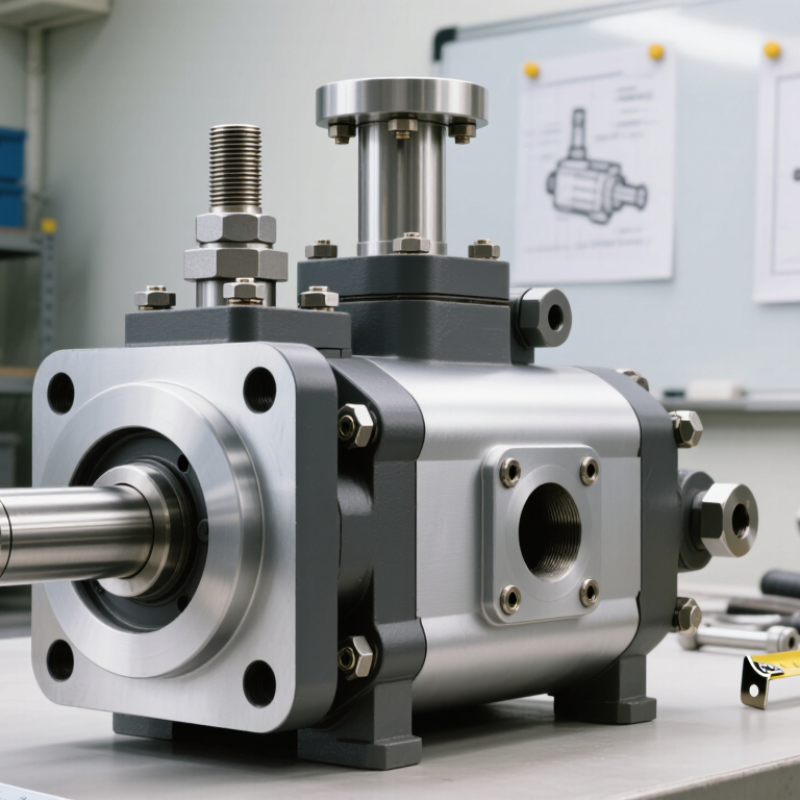
Before searching for an equivalent pump, find the identification plate on the pump housing. Shut down the equipment and clean the plate gently; dirt can hide a single character. Photograph it in good light, then record the complete model code, serial number, and any suffixes. Photograph it first. A partial code can point to a different displacement or shaft option.
Look for rated pressure, flow or displacement, rotation direction, and port details. Note whether the plate lists the pump alone or a larger assembly. Check the housing for stamped numbers, but do not treat them as a substitute for the plate. Small details matter. If the label is worn, compare the visible characters with service records and dimensions. Do not guess from the pump’s shape; similar housings can conceal different internal specifications.
Tips: Keep a clear plate photo and write down the shaft type, mounting pattern, and port locations. Verify rotation from the drive-end viewpoint. If data conflicts, pause and confirm it with a qualified hydraulic technician before ordering. I have seen one faded suffix cause avoidable delays. That is easy to miss.
QUICK LINKS
CONTACT US
Office: (+86) 755 23040566
Tel: (+86) 158 9965 5195
E-mail: sale@pcbledmodule.com
Skype: Hans@Rocket-PCB
Whatsapp: 86 1589965 5195
Office Address: 2207,Bid 4,He Gu Shan Hui Cheng,35#,Guang Tian RoYanluo street, Song Gang Town,518105 SHENZHENG, CHINA
Plant ADD.: No 69, Lianfeng North Road, Xianxi Area, ChangAn Town, Dongguan, China.


Copyright © 2025 Rocket PCB Solution Ltd. | All Rights Reserved Sitemap Friendship link: CNC machining heat sink

