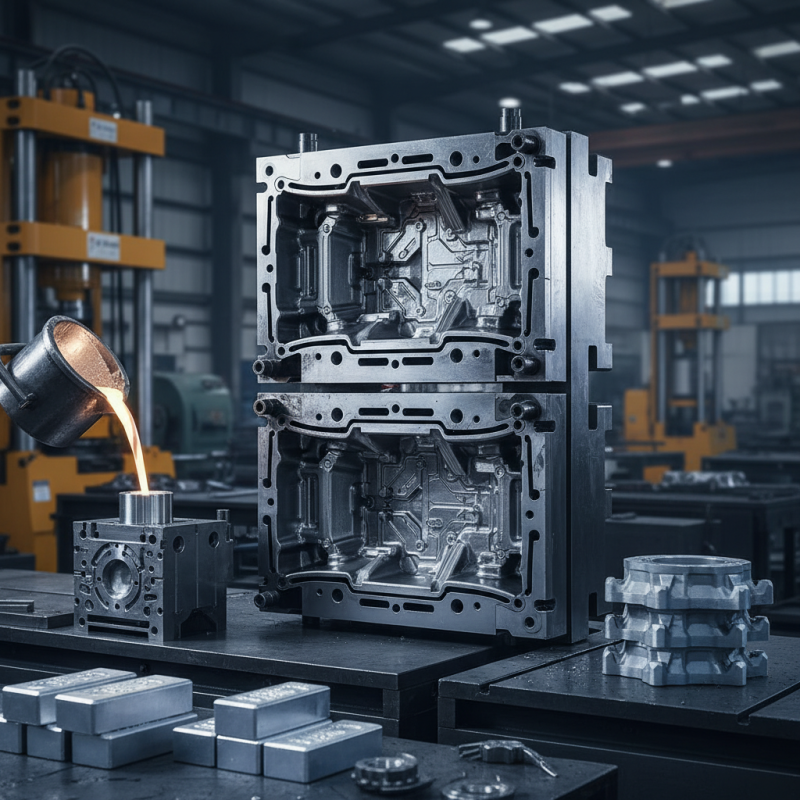
Understanding Die Casting Molds Types and Applications?
Die casting involves creating metal parts with intricate shapes. Central to this process are the Die Casting Molds. These molds define the final product's features. Understanding the different types of die casting molds is crucial for manufacturers.
There are various molds tailored for specific applications. Some are designed for high-volume production, while others cater to prototype needs. The choice of mold impacts quality, precision, and cost. Users must reflect on their requirements. Yet, many still underestimate the importance of selecting the right mold.
Additionally, materials used in die casting molds add complexity. Aluminum, zinc, and magnesium are popular choices. Each material brings unique properties and challenges. It is essential to balance performance with durability. Inadequate choices can lead to failures and increased production costs. Exploring these aspects helps refine the die casting process.
Types of Die Casting Molds: An Overview
Die casting molds come in various types, each serving a specific purpose in the manufacturing process. Commonly, there are two primary categories: permanent molds and expendable molds. Permanent molds are crafted from durable materials like steel or iron. They can be reused multiple times, making them cost-effective for large volumes. However, their initial setup costs can be high. Expendable molds, on the other hand, are typically made from sand or investment materials. These molds are used only once, limiting their reuse. This can lead to more waste and higher costs for small batches.
Each type of mold has its applications. Permanent molds are ideal for high-production runs, yielding consistent quality and precision. Expendable molds are better suited for intricate designs or lower quantities. However, there's a trade-off in durability and lifespan with expendable options. Often, manufacturers face challenges when selecting the right type for their needs. They may choose based on initial costs or part complexity. Yet, overlooking longevity or production volume can lead to increased expenses later. Reflecting on the decision-making process is crucial to achieving the best outcome in die casting.
Common Materials Used for Die Casting Molds
Die casting molds play a critical role in manufacturing. The choice of materials significantly affects the mold's performance and lifespan. Aluminum is a popular choice for die casting molds. It is lightweight yet durable. This metal can withstand high temperatures. However, it may wear out faster than other materials.
Steel is another common option. It is known for its strength and longevity. Steel molds can produce high volumes of parts with consistent quality. However, they are more challenging to machine. This can lead to higher initial costs. Some manufacturers opt for chrome-plated steel. This combines the benefits of steel and enhances the mold’s resistance to wear.
Other materials like copper and alloys are also used. Copper offers excellent thermal conductivity. This can improve cycle times in the casting process. Alloys can provide a balance between strength and weight. Yet, they often require more precise handling. Each material has its pros and cons, making the selection process critical.
Applications of Die Casting in Various Industries
Die casting is a crucial process used in many industries. Its applications span automotive, consumer electronics, and aerospace sectors. In automotive manufacturing, die casting produces lightweight yet durable components. These parts enhance fuel efficiency and improve overall performance. Precision is essential here, as even minor flaws can lead to significant issues.
In the consumer electronics industry, die casting creates parts for devices. These components often require intricate designs and high-quality surfaces. However, some designs may not translate well into the die casting process. This can lead to delays and increased costs. Manufacturers must carefully analyze each design’s feasibility before production.
Aerospace applications benefit from die casting due to the need for lightweight parts. These components endure extreme conditions, demanding stringent quality control. If defects occur, they can result in severe consequences. Understanding these challenges is vital. Continuous improvement and innovation can help address many issues faced in die casting today.
Applications of Die Casting in Various Industries
Factors Influencing the Selection of Die Casting Molds
When selecting die casting molds, several factors come into play. The material of the mold significantly influences durability and cost. Steel molds are common for their strength. However, aluminum molds are lighter and cheaper but may wear out faster. The intended production volume also matters. High-volume production demands robust molds that can withstand repeated use. In contrast, low-volume runs can afford to use less durable options.
Design complexity is another consideration. Intricate designs require molds that can capture fine details, impacting cooling and ejection systems. This can complicate the mold-making process. Keeping costs low while maintaining quality is a delicate balance. A mold that fails to perform might lead to defects. This can result in additional expenses and time loss. Feedback from previous projects should guide mold design. Manufacturers often overlook this aspect, missing valuable insights from past experiences.
The cooling system's efficiency plays a crucial role as well. A well-designed cooling system can reduce cycle time, enhancing productivity. However, this requires a careful analysis of how heat is distributed within the mold. Not all molds are optimized for this, leading to uneven cooling and defects. The selection process is intricate, often influenced by trial and error. Manufacturers need to be open to refining their approach based on outcomes. Working with prototypes can reveal flaws that need addressing before full production begins.
Maintenance and Care for Die Casting Molds
Die casting molds are essential in manufacturing. Proper maintenance is crucial for extending their lifespan. Regular inspections help identify wear and damage early. This proactive approach saves money on repairs. Keep molds clean to prevent residue build-up. Dirt can affect the quality of the final product.
Lubrication plays a key role in mold care. Use the right oils to reduce friction during operation. This helps in achieving smooth functionality. Don't overlook cooling systems; they need checks too. Overheating can warp the molds, leading to defects.
Training staff on proper handling is vital. Mishandling can lead to costly mistakes. Document maintenance schedules and inspections regularly. This creates a reliable reference for future care. Encourage a culture of responsibility towards equipment. It's possible to overlook essential tasks in a busy environment. Thus, continuous reflection on maintenance practices is needed.
Understanding Die Casting Molds Types and Applications - Maintenance and Care for Die Casting Molds
| Mold Type | Material Used | Applications | Maintenance Tips |
| Single Cavity Mold | Steel or Aluminum | High-Precision Components | Regular cleaning, inspect for wear |
| Multi-Cavity Mold | Steel | Mass Production of Parts | Lubrication, temperature control |
| Cold Chamber Mold | High-Strength Steel | Zinc and Aluminum Castings | Monitor thermal cycles, regular inspections |
| Hot Chamber Mold | Bronze Alloy | High Volume Components | Keep chamber clean, check for leaks |
| Die Casting Inserts | Aluminum | Specific Complex Parts | Inspect for damage, replace worn inserts |