
English


Choosing the best Hand Crimper in 2026 requires more than comparing prices or counting online reviews. A reliable tool should match the terminals, wire sizes, and materials used in your real projects. Look closely at the jaw markings, handle shape, ratchet release, and crimp profile. Fit matters. A crimper that feels strong may still produce loose connections if its die does not match the terminal. That mistake is common.
This guide focuses on practical selection, not exaggerated product claims. We will examine crimp consistency, grip comfort, build quality, maintenance needs, and compatibility with insulated and non-insulated terminals. Clear markings can prevent errors under poor workshop lighting. A controlled ratchet can help complete each crimp fully, while an emergency release may prevent damaged work. These details become important during repetitive repairs, where hand fatigue quietly affects accuracy.
Professional practice also requires checking the finished connection. A properly formed crimp should hold the conductor firmly without cutting or crushing it. Visual inspection helps, but a suitable pull test offers stronger evidence. Manufacturer specifications and recognized technical guidance should support the final choice. Still, no tool is perfect. Even an expensive model may feel awkward in smaller hands or perform poorly with an unfamiliar terminal. Reflect on your actual workflow before buying. The best Hand Crimper is the one that delivers repeatable results, safe handling, and sensible value over time.
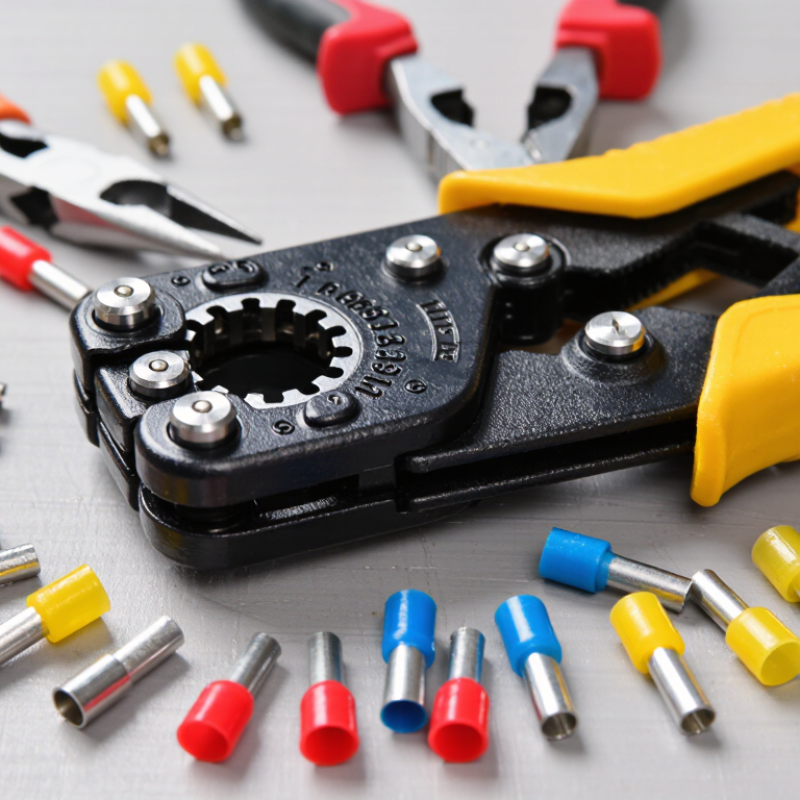
A hand crimper is a mechanical tool for joining wires to metal terminals. It compresses the terminal around the stripped conductor. This creates both physical grip and electrical contact.
Most models use shaped dies and two handles to apply controlled pressure. Some include a ratcheting mechanism. It keeps the jaws closed until the crimp reaches its intended position.
The correct crimp depends on the terminal type, wire size, and die profile. A terminal should fit firmly before pressure is applied. Too little force may cause a loose connection. Excessive force can damage the terminal or cut wire strands.
In workshop testing, I check the finished crimp for even compression, firm retention, and exposed strands. I once assumed a tighter crimp was always better. That assumption was wrong.
A reliable tool should also feel balanced, open smoothly, and show clear size markings. Calibration records and technical specifications add confidence, especially for repeated work.
Tips: Match the crimper to the terminal material and wire gauge. Test one sample before production. Pull the wire gently by hand. It should not slide out. Keep the jaws clean and inspect them for wear. If the result looks uneven, stop and reassess the die position. That small pause prevents bigger errors. When selecting a hand crimper in 2026, prioritize repeatable results over extra features. Verify applicable electrical standards for your work.
QUICK LINKS
CONTACT US
Office: (+86) 755 23040566
Tel: (+86) 158 9965 5195
E-mail: sale@pcbledmodule.com
Skype: Hans@Rocket-PCB
Whatsapp: 86 1589965 5195
Office Address: 2207,Bid 4,He Gu Shan Hui Cheng,35#,Guang Tian RoYanluo street, Song Gang Town,518105 SHENZHENG, CHINA
Plant ADD.: No 69, Lianfeng North Road, Xianxi Area, ChangAn Town, Dongguan, China.


Copyright © 2025 Rocket PCB Solution Ltd. | All Rights Reserved Sitemap Friendship link: CNC machining heat sink

