
English


Choosing solar street lights for global projects requires more than comparing wattage and prices. A reliable Solar Light Street Light must match local sunlight, weather, road use, and maintenance capacity. A coastal highway in Kenya faces salt air and intense heat. A mountain road in Chile may experience freezing nights and weaker winter radiation. These conditions change the right battery, panel angle, housing material, and lighting schedule.
Lighting engineer Dr. Anil K. Raj explains, “A solar street light succeeds when its design fits the place, not when its specification sheet looks impressive.” This practical view supports an experience-based evaluation. Project teams should inspect daily solar radiation, shadow patterns, traffic movement, and installation access. They should also check battery chemistry, ingress protection, pole strength, and controller performance. Small details matter.
The wrong choice can look efficient on paper.
A dependable design uses realistic autonomy calculations. It considers cloudy days, seasonal changes, dust buildup, and gradual battery aging. However, no product is perfect. Even strong systems may underperform when trees grow, panels remain dirty, or usage expands unexpectedly. That weakness deserves honest planning. Buyers should request test reports, warranty conditions, replacement procedures, and operating references from comparable regions. Independent verification is valuable, especially when suppliers present unclear performance claims.
This guide examines how to compare Solar Light Street Light solutions for roads, parks, villages, and commercial sites worldwide. It focuses on measurable performance, practical installation experience, and long-term service reliability. The aim is not to find the cheapest lamp. It is to select a system that keeps working when conditions become difficult.
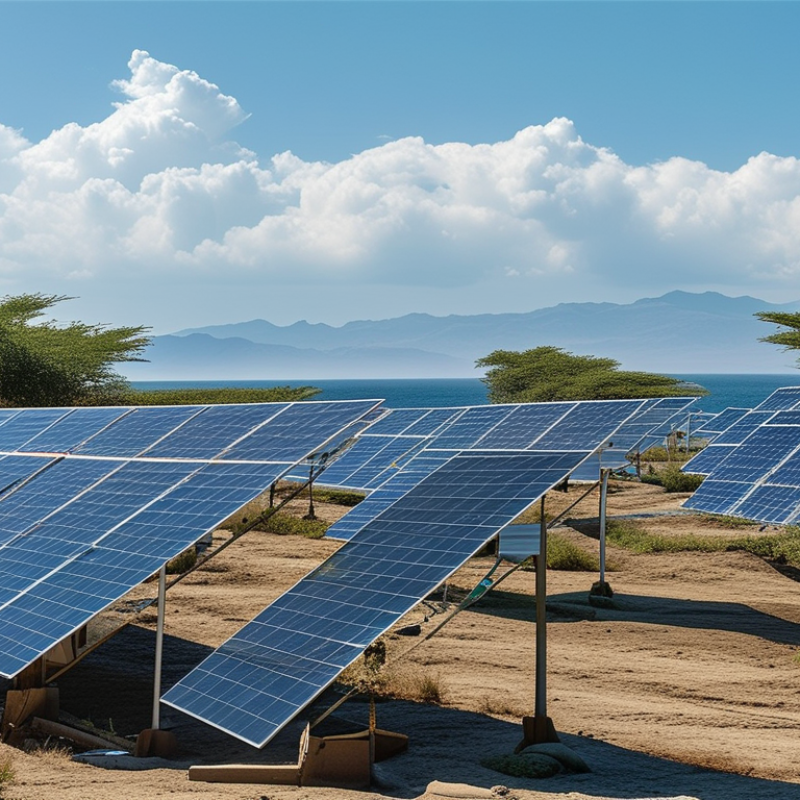
A reliable design starts with the road, not the lamp. Record road width, traffic speed, mounting height, pole spacing, and required lighting class. CIE 115:2010 links lighting performance to road use, conflict areas, and pedestrian activity. A quiet village lane should not receive the same specification as a busy junction.
Measure the site carefully. Note latitude, shading, dust, flooding risk, soil condition, and nighttime temperatures. The World Bank’s Global Solar Atlas shows major differences in solar irradiation across nearby regions. Use monthly data, not annual averages alone. Three cloudy weeks can expose an undersized battery. IEA PVPS Trends 2024 reports 407 GW of new solar capacity added worldwide in 2023. Growth is impressive, but local weather still decides system reliability.
Estimate daily energy demand from actual operating hours. Include dimming schedules, cloudy-day autonomy, battery aging, and conversion losses. Check whether trees will shade the panel after five years. That detail is often missed. In coastal areas, salt corrosion needs attention, while desert roads demand stronger dust protection and easier cleaning access. IP ratings help, but they do not replace field inspection.
Ask local teams about maintenance access and replacement skills. A technically efficient system may fail if batteries cannot be serviced safely. We sometimes specify too much autonomy. That increases cost and weight. A better design balances climate records, lighting targets, logistics, and realistic maintenance capacity. Perfect assumptions rarely survive the first rainy season.
QUICK LINKS
CONTACT US
Office: (+86) 755 23040566
Tel: (+86) 158 9965 5195
E-mail: sale@pcbledmodule.com
Skype: Hans@Rocket-PCB
Whatsapp: 86 1589965 5195
Office Address: 2207,Bid 4,He Gu Shan Hui Cheng,35#,Guang Tian RoYanluo street, Song Gang Town,518105 SHENZHENG, CHINA
Plant ADD.: No 69, Lianfeng North Road, Xianxi Area, ChangAn Town, Dongguan, China.


Copyright © 2025 Rocket PCB Solution Ltd. | All Rights Reserved Sitemap Friendship link: CNC machining heat sink