

loading

BLOG

How to Choose an Industrial Pipeline Supplier in 2026?

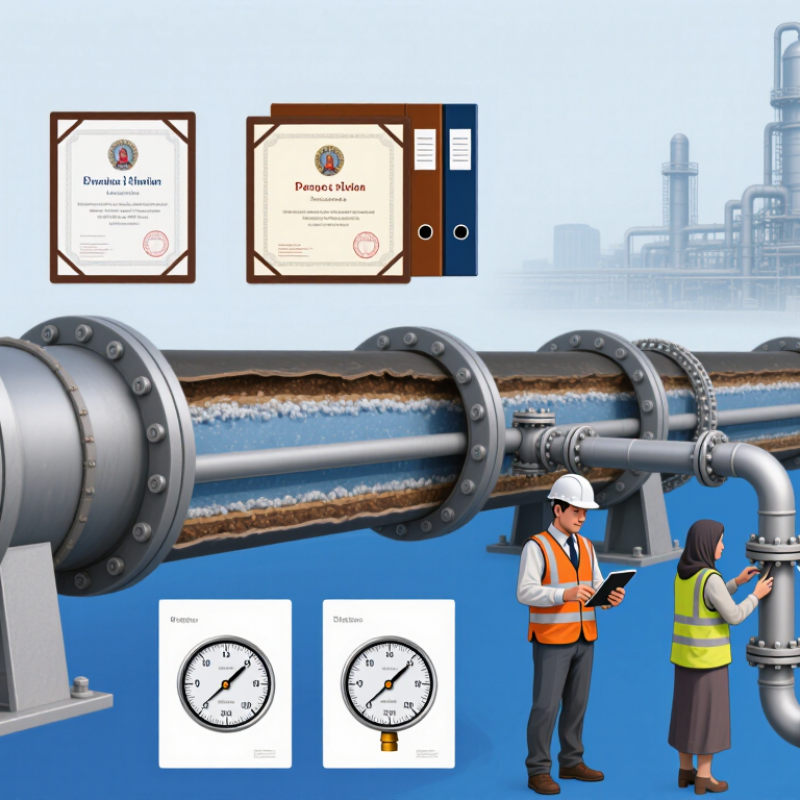
In 2026, choosing an Industrial Pipeline supplier is not just a price comparison. It is a decision about uptime, safety, and years of maintenance. A low quote may hide long lead times, unclear material grades, or weak traceability. Ask for material certificates, coating details, pressure ratings, welding procedures, and inspection records. Then check whether those documents match the pipe delivered to your site. A stamp is useful. A complete record is better. Piping-integrity expert George Antaki’s published work offers a practical lens for this decision. A fair, non-verbatim takeaway is: “Choose evidence over promises.”

This guide examines the checks that turn that principle into a supplier shortlist. We look at technical fit, manufacturing capacity, quality controls, delivery reliability, and after-sales support. Ask how the supplier handles a delayed shipment or a failed inspection. Request a sample quality dossier, not just a polished brochure. Examine one real project reference, including its scope and operating conditions. Details matter: a coating specification, a clear heat number, and a prompt answer can reveal more than a sales presentation. Still, no checklist removes every risk. I would not treat a perfect-looking datasheet as proof; that is an easy mistake to make. Compare documented claims with samples, records, and direct questions before committing.
How to Choose an Industrial Pipeline Supplier in 2026?

Define Pipeline Requirements and Operating Conditions

Before comparing suppliers, write down the actual service conditions—not just nominal pipe size. Specify the fluid, design pressure, normal and upset temperatures, flow rate, and expected pressure cycling. Include chemistry details such as chlorides, acidity, moisture, and suspended solids; a small abrasive load can change material and lining choices. Ask suppliers to explain how their proposed material, wall thickness, joints, and corrosion allowance match these conditions. If operating data is incomplete, say so. Guessing can become an expensive design assumption.

This matters for safety and emissions. The International Energy Agency’s Global Methane Tracker 2024 estimates that fossil-fuel operations released about 120 million tonnes of methane in 2023. That figure is not a measure of industrial pipeline leakage, but it reinforces why leak-tight joints and inspection access deserve attention. For each candidate, request documented pressure and temperature limits, material traceability, inspection records, and a clear account of applicable design codes. Check that the evidence covers the intended service, not merely a similar product.

Tips: Share one realistic operating scenario, including startup and shutdown conditions. Ask the supplier to identify the weakest point in its proposal. Their answer may reveal more than a polished specification sheet. Then verify the assumptions with your process and maintenance teams. Often overlooked.

Assess Supplier Expertise, Capacity, and Quality Certifications

When assessing an industrial pipeline supplier, look for evidence of experience with your pipe materials, diameters, pressure requirements, and service conditions. Ask how similar orders were handled, including nonstandard lengths or tight delivery windows. Specific examples are more useful than broad claims. Ask for evidence.

Capacity matters. Review current production schedules, equipment, storage space, and access to suitable raw materials. A supplier may quote a short lead time, but ask how it changes during peak demand or when specifications change. Confirm that inspection and packing can keep pace with production, not just that a factory has impressive machinery.

Quality certifications should match the products and processes being supplied. Check certificate scope, issuing body, expiry date, and whether the relevant facility is covered. Then compare the paperwork with inspection records, material traceability documents, and sample test reports. Not just paperwork. A certificate does not prove every shipment is defect-free, so agree on acceptance criteria and how nonconforming items will be handled. One detail buyers sometimes overlook is consistency between a quotation, technical datasheet, and final inspection plan. If those documents differ, pause and ask for clarification. It can feel slow, but that conversation may prevent a costly mismatch.

How to Choose an Industrial Pipeline Supplier in 2026

Suggested evaluation weights for comparing suppliers

These are suggested procurement weights, not industry survey results. Adjust them to fit project risk and requirements. Verify that each certificate is current and covers the supplier’s relevant facilities and processes; for example, API Specification 5L applies to line pipe.

Compare Materials, Manufacturing Standards, and Traceability

Choosing an industrial pipeline supplier in 2026 starts with matching materials to the fluid, temperature, pressure, and site conditions. Carbon steel may suit many services, while stainless steel or lined pipe may better resist specific corrosive environments. Confirm that proposed grades meet the project’s applicable ASTM or ASME material specifications. For process piping, check whether ASME B31.3 applies to the system. Ask for material test reports, heat numbers, and inspection records tied to each delivered pipe length. Paperwork matters.

Traceability is more than a certificate in a folder. Heat numbers should remain legible after cutting, and records should connect pipe, fittings, welds, and test results. NACE International’s 2016 IMPACT study estimated corrosion costs at US$2.5 trillion annually, or 3.4% of global GDP. It also found that corrosion management could reduce costs by 15–35%. Those figures underline why coating, material selection, and inspection records deserve close review. A certificate alone is not proof of consistent production; ask how the supplier controls changes between batches.

Tips: Request a sample traceability pack before ordering. Check one heat number from mill certificate to pipe marking. Compare it with the inspection and test records. If any link is unclear, pause and ask for an explanation.

Evaluate Lead Times, Technical Support, and Lifecycle Costs

How to Choose an Industrial Pipeline Supplier in 2026?
Evaluate Lead Times, Technical Support, and Lifecycle Costs

A low quotation can hide expensive delays. Ask suppliers for current production capacity, realistic dispatch dates, and the time needed for inspections, coating, and transport. Request milestone updates, not just a promised delivery date. Check whether technical staff can review pressure, temperature, material, and connection requirements before manufacturing. A mismatch discovered at installation is costly. One detail often gets missed: confirm who resolves drawing changes and damaged shipments.

Compare total ownership costs, not purchase prices alone. The U.S. Department of Energy’s Improving Pumping System Performance sourcebook reports that pumping systems account for nearly 20% of global electricity demand, and can use 25–50% of energy in some industrial facilities. Pipeline choices affect flow resistance and pump demands, so ask for relevant pressure-drop data and maintenance guidance. Compare expected energy use, inspection needs, spare-part availability, and downtime over the planned service life. These are estimates, not guarantees; revisit them against actual site conditions.

Tips: Ask for a sample inspection record, documented material traceability, and a named technical contact. Have the supplier explain its lead-time assumptions in writing. Then compare two or three lifecycle scenarios, including one with delayed delivery or an unplanned repair. Small gaps matter.

How to Choose an Industrial Pipeline Supplier in 2026? — Evaluate Lead Times, Technical Support, and Lifecycle Costs

Use this scorecard to compare shortlisted suppliers. Lead-time ranges below are indicative planning ranges, not guarantees; actual timing depends on material grade, diameter, wall thickness, quantity, certification requirements, production capacity, and destination. Confirm every commitment in a written quotation.

Evaluation Area What to Assess Practical Benchmark or Planning Guide Evidence to Request Suggested Weight
Lead-time reliability Quoted production time, dispatch date, transit time, and the supplier’s record of meeting promised dates. For planning, stocked standard items may ship in roughly 1–3 weeks; made-to-order products often require about 4–12 weeks. Special alloys, large diameters, or custom production can take 8–20+ weeks. Current production schedule, written delivery milestones, recent on-time delivery data, and agreed remedies or escalation steps for delays. 20%
Technical support Access to qualified staff for material selection, pressure and temperature requirements, dimensions, joining methods, and standards questions. Set a buyer-defined response target, such as acknowledgement within one business day for routine questions and a clear escalation contact for urgent issues. Named technical contact, documented response process, sample technical submittal, and examples of relevant application support. 15%
Standards and traceability Whether supplied pipe and fittings meet the project’s specified material, dimensional, testing, and documentation requirements. Requirements should be matched to the project specification and applicable standards; there is no single certification set that fits every pipeline application. Material test reports, heat or batch traceability, inspection records, certificates required by the project, and a documented nonconformance process. 15%
Product and order fit Availability of required grades, sizes, wall thicknesses, end connections, coatings, quantities, and packaging. Check the exact bill of materials rather than relying on a general statement of product availability. Confirm minimum order quantities and partial-shipment rules. Line-by-line quotation, dimensional data, product drawings where needed, stock confirmation, and written disclosure of substitutions. 10%
Quality control Inspection capability, process controls, defect handling, and consistency across repeat orders. Inspection and testing should be defined by the purchase specification and risk level. Agree in advance on acceptance criteria and who pays for reinspection. Quality-system documentation, inspection and test plan, sample inspection report, corrective-action process, and applicable third-party inspection options. 10%
Delivered cost Total landed cost, including product price, freight, insurance, duties or taxes where applicable, handling, and packaging. Compare quotations on the same quantity, delivery location, shipping terms, currency, and quotation validity period; a lower unit price may not mean a lower delivered cost. Itemized quotation, shipping assumptions, surcharges, payment terms, quote validity, and a clear statement of included and excluded costs. 10%
Lifecycle cost Expected cost over the project life, including installation, inspection, maintenance, downtime, replacement, and disposal where relevant. Compare options using the same service life and operating assumptions. Consider corrosion exposure, operating conditions, accessibility, and the consequences of unplanned shutdowns. Material and coating specifications, maintenance guidance, warranty terms, relevant operating references, and assumptions behind any service-life claims. 10%
Logistics and packaging Protection against transport damage, shipment visibility, export or site requirements, and ability to coordinate phased deliveries. Confirm packaging suits the route, storage conditions, and unloading equipment. For critical schedules, request shipment tracking and milestone updates. Packaging specification, shipping plan, tracking process, delivery appointment requirements, and procedure for damaged or short shipments. 5%
Commercial and after-sales support Clarity of warranty, claims handling, spare or replacement availability, and support after delivery. Agree on warranty scope, claim notification period, documentation, and response ownership before purchase; terms vary by product and contract. Written warranty, returns and claims procedure, contact route, and clear responsibilities for supplier, carrier, and buyer. 5%

Suggested comparison method: Rate each supplier from 1 (weak) to 5 (strong), multiply each rating by its suggested weight, and compare the weighted totals. For lifecycle cost, use a consistent model such as: purchase and delivery cost + installation cost + expected maintenance and inspection cost + expected downtime and replacement cost over the chosen analysis period. Treat estimates as project-specific and validate them against operating data and contract terms.

Verify References, Risk Controls, and Contract Terms

How to Choose an Industrial Pipeline Supplier in 2026?
Verify References, Risk Controls, and Contract Terms

A supplier’s reference list is only a starting point. Ask for projects involving comparable pipe materials, diameters, operating pressures, and delivery conditions. Then contact past clients using independently verified details. Ask whether shipments arrived on schedule and whether test records matched the supplied batches. Ask for proof. I once treated a polished presentation as proof of capability; that was a mistake.

Review how the supplier controls quality and delivery risks. Look for traceable material certificates, documented inspection steps, and clear procedures for handling nonconforming pipe. If coatings or pressure tests matter to your project, ask who performs them and how results are recorded. Details matter. A practical check is to request a sample inspection report with sensitive project information removed. Vague answers may signal gaps, though they do not prove poor performance.

Put important expectations into the contract, not just meeting notes. Specify materials, dimensions, applicable standards, tolerances, inspection hold points, and required documentation. Define how changes, delays, rejected goods, and replacement costs will be handled. Confirm payment milestones, warranty coverage, and responsibility for transport damage. Have qualified procurement and technical reviewers examine the terms before signing. Even careful documents can miss a detail, so compare every clause with the actual project schedule and acceptance process.

Chat Online
Chat Online
Leave Your Message inputting...
Thank you for your attention. Please kindly describe your question first, or please send your inquiry to our email sale@pcbledmodule.com, and we will reply to you ASAP. Welcome, what can I help you?
Sign in with:



