
English


Choosing a traffic VMS LED display starts with the message, not the screen. Drivers may have only a few seconds to read a warning while approaching a lane closure or changing road conditions. That makes viewing distance, display size, character height, and contrast practical decisions—not just items on a specification sheet. Check the road’s speed, typical sightlines, and available installation space before comparing models. Details matter.
Brightness needs equal care. A display must remain legible in strong daylight without becoming distracting at night. Ask how automatic dimming works, and review the stated brightness range under real operating conditions. Pixel pitch also matters, but the finest pitch is not always the best choice for a sign viewed from far away. Match it to the expected distance and message format.
Then examine the equipment behind the LEDs. Weather protection, temperature limits, power use, mounting, communications, and control software all affect daily reliability. Request clear product specifications and maintenance guidance, and ask how replacement modules can be sourced. Where possible, inspect a comparable installation or arrange a field test. Manufacturer claims are useful, but they do not replace evidence from the intended site. Also confirm that the proposed design fits the relevant road authority’s requirements. A good selection balances readability, durability, operating cost, and straightforward maintenance. No single model suits every route; the right choice depends on actual conditions.
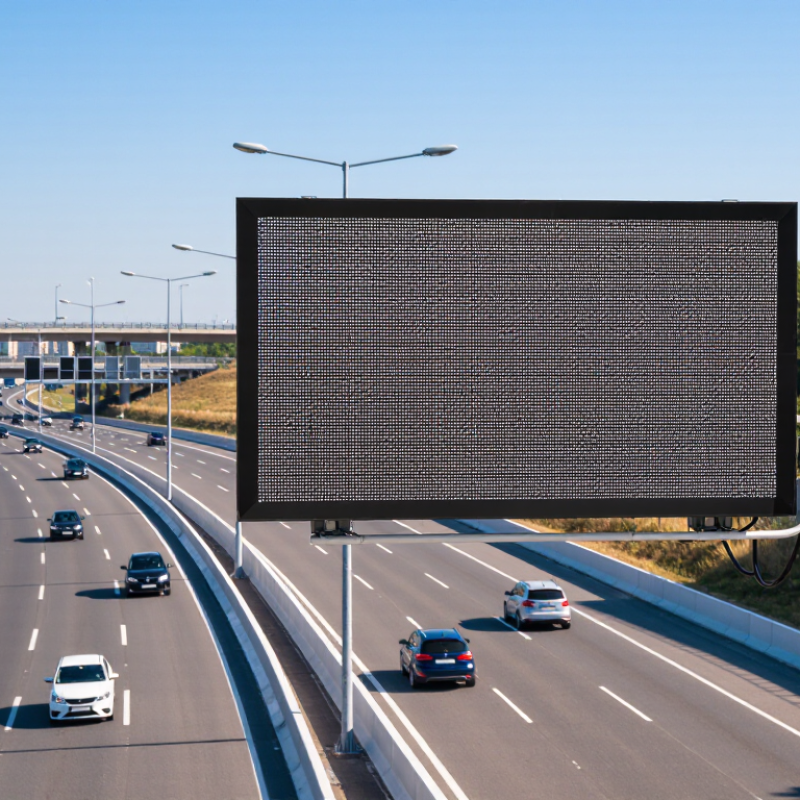
Before comparing resolution or cabinet size, define what the VMS must do. Is it warning drivers about a queue, guiding them through a work zone, or sharing a temporary route change? Context changes everything. Note the approach speed, viewing distance, road geometry, and whether drivers see the display in daylight, rain, or darkness. A queue warning before a curve needs enough lead time to be useful. Keep each message brief, with a clear action when one is needed. Then match the display’s brightness, mounting, power supply, and operating schedule to that task.
Check the current MUTCD edition and the relevant transportation agency’s requirements before finalizing messages or equipment. Verify applicable rules for wording, symbols, legibility, display timing, and message format; details can depend on the road and use case. Rules can vary. Don’t assume a template is acceptable just because it fits the screen. Review the proposed message with qualified traffic staff, then assess it from the driver’s approach under realistic conditions. A draft that looks clear on a desk can feel crowded from a moving vehicle. This step is easy to rush, and field checks may reveal that the sign needs different placement or simpler wording.
QUICK LINKS
CONTACT US
Office: (+86) 755 23040566
Tel: (+86) 158 9965 5195
E-mail: sale@pcbledmodule.com
Skype: Hans@Rocket-PCB
Whatsapp: 86 1589965 5195
Office Address: 2207,Bid 4,He Gu Shan Hui Cheng,35#,Guang Tian RoYanluo street, Song Gang Town,518105 SHENZHENG, CHINA
Plant ADD.: No 69, Lianfeng North Road, Xianxi Area, ChangAn Town, Dongguan, China.


Copyright © 2025 Rocket PCB Solution Ltd. | All Rights Reserved Sitemap Friendship link: CNC machining heat sink

