
English


Choosing a reliable Wheel Carrier Casting supplier can influence vehicle safety, production stability, and long-term maintenance costs. The decision should involve more than comparing unit prices. A capable supplier understands casting design, alloy selection, heat treatment, machining allowances, and dimensional control. Their team should explain these details clearly, without hiding behind technical language.
Look for evidence from real production work. Ask for sample inspection reports, material certificates, process records, and photographs of finished castings. A dependable supplier can discuss common defects, such as porosity, shrinkage, cracks, and uneven machining surfaces. They should also explain how inspections detect these problems. Practical experience matters here. A clean sample may not represent every production batch.
Ask about foundry equipment, quality staff, testing methods, and traceability systems. Confirm whether each batch can be linked to its raw materials, furnace records, and inspection results. Communication is equally important. Delayed answers may become delayed shipments.
Check carefully.
A site audit, when possible, can reveal more than a polished brochure. Observe storage conditions, pattern maintenance, worker procedures, and inspection equipment. However, no supplier is perfect. Even experienced manufacturers may face tooling changes, material variations, or unexpected casting repairs. Reliable partners acknowledge these risks and provide corrective actions instead of making unrealistic promises.
Before signing a long-term agreement, request a trial order and review its results. Compare dimensions, surface quality, mechanical performance, packaging, and delivery consistency. A trustworthy Wheel Carrier Casting supplier should welcome reasonable questions and provide verifiable information. This careful process helps buyers choose technical competence, honest cooperation, and dependable performance over attractive claims alone.
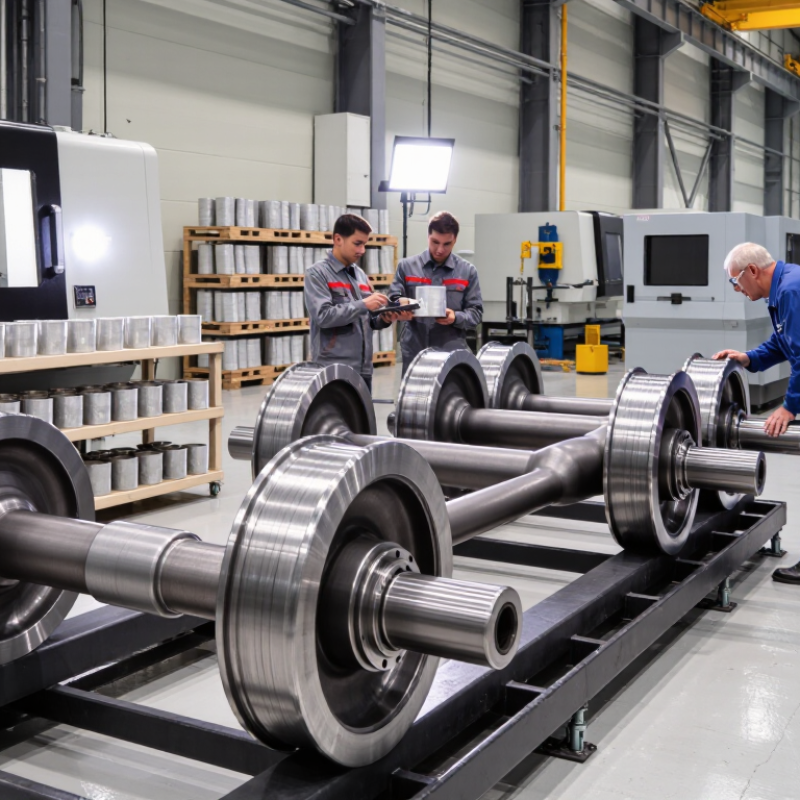
A wheel carrier casting supplier does more than pour metal into molds. It converts drawings, load data, and material specifications into a repeatable structural component. In practice, the supplier should understand suspension forces, fatigue exposure, porosity risks, and machining references. Ask how engineers review the drawing before quoting. Details matter. A reliable team can explain gating, riser design, heat treatment, and inspection in clear language.
The supplier’s role continues after casting. It should control patterns, melt chemistry, mold temperature, and cooling conditions. Require material certificates, batch traceability, and dimensional reports for every production lot. Non-destructive testing may reveal cracks or internal defects that surface checks miss. Sample castings should undergo section analysis, hardness testing, and fatigue-related evaluation when applicable. Ask for process capability data, not only attractive samples.
Experience becomes visible during difficult conversations. Can the supplier report a defect quickly, contain affected parts, and identify the root cause? Corrective action records reveal more than polished presentations. A plant visit can show furnace logs, calibrated gauges, clean storage, and disciplined handling. Capacity also matters; rushed production often weakens consistency. No supplier is flawless, and this deserves honest reflection. Choose one that admits limitations, documents risks, and improves its process with measurable actions.
QUICK LINKS
CONTACT US
Office: (+86) 755 23040566
Tel: (+86) 158 9965 5195
E-mail: sale@pcbledmodule.com
Skype: Hans@Rocket-PCB
Whatsapp: 86 1589965 5195
Office Address: 2207,Bid 4,He Gu Shan Hui Cheng,35#,Guang Tian RoYanluo street, Song Gang Town,518105 SHENZHENG, CHINA
Plant ADD.: No 69, Lianfeng North Road, Xianxi Area, ChangAn Town, Dongguan, China.


Copyright © 2025 Rocket PCB Solution Ltd. | All Rights Reserved Sitemap Friendship link: CNC machining heat sink

