

Choosing a Race Bike for competitive cycling is about more than chasing low weight or a sleek frame. It is about matching the bike to the demands of racing and the rider’s own position, strength, and experience. On a fast group ride, a responsive frame and efficient riding posture can help a cyclist accelerate and hold speed. But those advantages depend on fit, setup, and practice. A costly bike cannot replace sound preparation.
Details matter. Frame geometry affects handling and reach, while wheel choice can influence comfort and control on rough roads. Gearing should suit the courses a rider actually races, not just look impressive in a product photo. A professional bike fit can help identify pressure points and adjust saddle height, handlebar reach, and cleat position. Small changes count.
Comfort is performance, too. An aggressive position may feel fast for ten minutes and become difficult over a longer event. Riders should consider maintenance, replacement parts, and how the bike behaves during real training, including climbs and wet pavement. Even experienced cyclists can misjudge a setup before testing it properly. That is worth remembering. This guide explores how race-bike design, fit, components, and riding goals shape a practical choice. Test rides and advice from a qualified bike fitter can clarify the trade-offs. The best option is not always the lightest or most expensive; it is the one the rider can control confidently and sustain throughout the race.
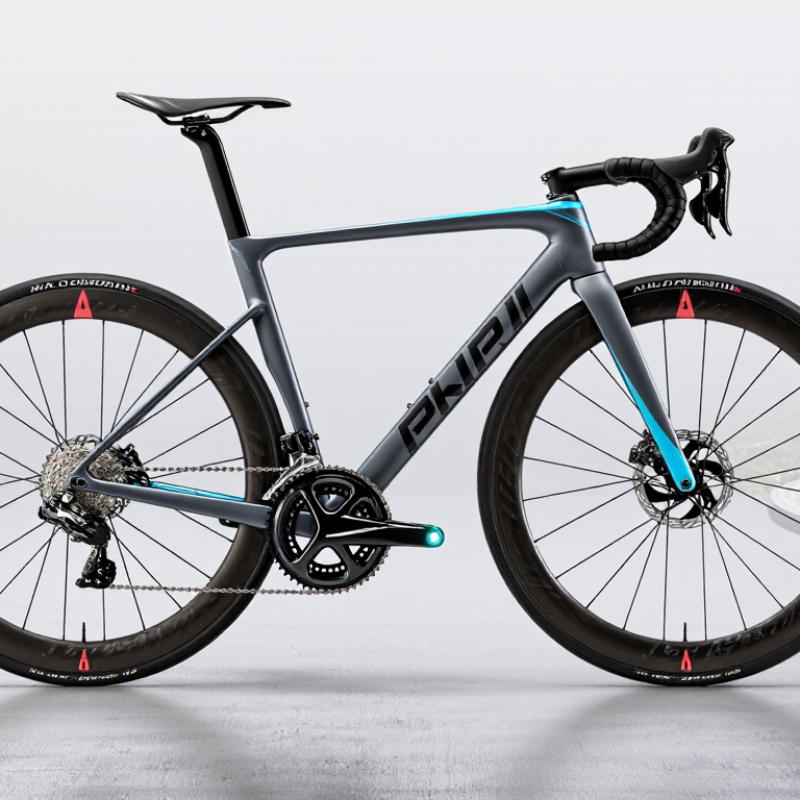
A race bike is a road bicycle built to respond quickly under hard, sustained effort. Its defining features are fit, geometry, efficient power transfer, and predictable handling—not simply low weight. A rider’s position is usually lower and more forward than on an endurance bike, helping reduce frontal area but placing greater demands on flexibility and comfort. The frame feels direct when accelerating out of a corner. That precision can feel unforgiving on rough pavement.
Rules matter, too. The Union Cycliste Internationale’s technical regulations set a 6.8-kilogram minimum for bicycles used in covered road events (UCI, Regulations, Part 1, Article 1.3.019). So a race bike is not just a contest to remove every gram. Its frame, brakes, wheels, and components must work as a stable system within event requirements. Modern race setups may use wider tires than older designs, trading a little of the razor-thin look for grip and control. Tire pressure needs careful adjustment to rider weight and road surface; there is no single ideal number. A fast bike still has to fit its rider. Even small discomfort can change how confidently someone holds an aerodynamic position. That part is easy to overlook.
A race bike’s frame is shaped to help the rider cut through the air. Its narrow front profile, fork, and tube shapes matter, but geometry decides how the rider sits within that profile. A review by Barry and colleagues in Sports Medicine (2015) notes that aerodynamic drag can account for about 90% of resistance at high cycling speeds. The exact share varies with speed, wind, and rider position. Small changes matter.
Race geometry often places the rider lower and farther forward than relaxed-road geometry. That can reduce exposed frontal area and keep the torso compact on a straight road. But a low front end is not automatically faster. If it strains the back or makes breathing awkward, holding the position through a long effort may be difficult. A few millimeters of handlebar height can change comfort and control. There is a trade-off. Frame reach, stack, and wheelbase also shape handling, especially when leaning through a fast bend. Fit should be assessed alongside the frame’s numbers; a geometry chart alone cannot predict how a rider will move or feel.
How frame design and geometry can support speed
Representative dimensions for similarly sized road frames (millimeters; approximate, not a standard). A lower stack and longer reach can help a rider adopt a lower, more aerodynamic position when it suits their fit and flexibility. Actual geometry varies by frame and size.
A race bike’s performance comes from how its parts work together, not from one impressive component. Frame geometry affects handling, while frame stiffness can help transfer pedal force during hard efforts. Too much stiffness, though, may feel harsh on rough pavement. The trade-off is real.
Gearing should suit both the course and the rider. Close gear steps help maintain a steady cadence on rolling roads, while easier climbing gears can matter more on steep routes. Wheel depth may improve aerodynamic efficiency, but crosswinds can make a deep front wheel harder to control. Tires also count: their width, pressure, and grip influence comfort and cornering. Small details matter.
Tips: Set tire pressure for your weight, tire size, and road surface; maximum pressure is not automatically fastest. Check brake response and shifting before a race, then test changes on familiar roads. Fit comes first.
A well-fitted bike lets a rider use its equipment without fighting the position. Saddle height, reach, and handlebar width affect comfort and control over long efforts. It is tempting to chase lighter parts, but a small fit problem can cost more than a few extra grams. Even experienced riders sometimes overfocus on equipment. Test one change at a time, and keep notes on how it feels.
A race bike is not one universal machine; its value depends on the event and the rider’s position in the field. Road races reward quick acceleration, predictable handling, and enough comfort for hours in a crowded group. A time trial places more emphasis on holding an aerodynamic posture alone. A 2011 review in Sports Biomechanics describes aerodynamic drag as the dominant resistance at racing speeds, reaching roughly 90% on level roads at high speed. That makes fit more than a comfort detail: if a rider cannot sustain the position, the theoretical advantage may disappear.
Course and body shape matter. On a hilly circuit, a lighter setup can feel livelier on repeated climbs, while a flatter course may favor a stable, low position. Track events demand sharp response and controlled handling; technical courses can punish a bike that feels nervous through tight turns. Small gains matter. But rider skill matters more. A professional bike fit can help match saddle height, reach, and handlebar position to flexibility and event demands. Even then, bodies change, and a fit that works on a short test ride may feel wrong after three hours.
For newer racers, choosing the most aggressive geometry can be a mistake. A slightly taller front end may let them stay aerodynamic longer and steer with confidence. Training on the intended course helps reveal whether gearing, handling, and posture suit the event. Fit still wins. I would reassess after several hard rides, not just trust the numbers from one session.
| Event or use | Typical race-bike setup | What it prioritizes | Main advantage | Trade-off and rider fit |
|---|---|---|---|---|
| Road races and stage races | Drop-bar road bike with a balanced fit, road gearing, and tires suited to the road surface. | Efficient riding, predictable handling, and versatility across changing terrain. | A versatile option for group riding, climbing, and fast sections on paved roads. | A more aggressive position may be less comfortable for some riders on long days; careful fit and suitable gearing matter. |
| Criteriums | Responsive road-race setup with reliable braking, secure tire grip, and gearing appropriate for repeated accelerations. | Quick changes of speed, cornering control, and efficient power delivery. | The drop-bar position and road handling suit close, fast racing on paved circuits. | A fast-handling setup rewards confident bike control; riders should prioritize fit, predictable handling, and safe braking over extreme adjustments. |
| Hilly and climbing events | Road-race bike with a low enough gear for the steepest climbs and tires appropriate to the route. | Climbing efficiency, manageable gearing, and control on descents. | A suitable gear range can help riders maintain a comfortable cadence on steep gradients. | A very lightweight setup is not automatically the fastest choice; fit, pacing, gearing, and descending confidence also affect performance. |
| Individual time trials and triathlons | A purpose-built time-trial or triathlon bike with an aerodynamic riding position and event-appropriate equipment. | Sustained speed in a relatively steady effort and reduced aerodynamic drag. | The position and equipment are designed for solo efforts rather than repeated drafting and bunch riding. | The position can take time to adapt to and may reduce maneuverability; check event rules, fit, and handling before racing. |
| Gravel races | Gravel-specific race bike with wider tire clearance and tires selected for the course surface. | Traction, comfort, and control on unpaved roads while maintaining an efficient riding position. | Wider tires can provide more grip and cushioning on rough surfaces than typical narrow road tires. | Tire width and tread should match the route; a setup optimized for rough gravel may feel less quick on smooth pavement. |
| New competitive riders | A well-fitted road-race bike with dependable components, suitable gearing, and tires matched to local roads. | Confidence, control, and reliable performance rather than specialized equipment alone. | A versatile setup can support training and several types of paved-road events. | Comfort and a correct fit are essential. Choose equipment that matches the event and riding experience, and follow applicable race regulations. |
A race bike is built to turn rider effort into speed, but that focus asks for compromises. Its low handlebars and forward posture can feel efficient on a short climb, then tiring on a long, rough road. On smooth pavement, the firm frame responds quickly when you accelerate. It can feel harsh. After several hours, small bumps through the bars and saddle may matter more than a few seconds saved.
Narrower tires and reduced clearance can limit comfort and route choice, though tire width varies by frame. Loose gravel and broken pavement demand more attention. Wet corners leave less margin for careless line choices. A more aerodynamic position can also make looking behind or reaching for a bottle feel awkward, especially for newer riders. Fit is critical, yet a test ride around a parking lot may not reveal discomfort that appears after two hours.
Race gearing may favor fast riding and steep efforts, while loaded rides or very slow climbs can expose awkward gear gaps. Maintenance is not inherently harder, but lightweight parts and tight clearances may be less forgiving after a knock or wheel rub. A race bike suits riders who value pace and accept these limits. Comfort, fit, and local roads deserve equal weight; even a fast bike can feel like the wrong tool on a daily route full of potholes.
QUICK LINKS
CONTACT US
Office: (+86) 755 23040566
Tel: (+86) 158 9965 5195
E-mail: sale@pcbledmodule.com
Skype: Hans@Rocket-PCB
Whatsapp: 86 1589965 5195
Office Address: 2207,Bid 4,He Gu Shan Hui Cheng,35#,Guang Tian RoYanluo street, Song Gang Town,518105 SHENZHENG, CHINA
Plant ADD.: No 69, Lianfeng North Road, Xianxi Area, ChangAn Town, Dongguan, China.


Copyright © 2025 Rocket PCB Solution Ltd. | All Rights Reserved Sitemap Friendship link: CNC machining heat sink