
English


Choosing a 316l Stainless Steel Flat Bar begins with a real service question: what will the bar face each day? Salt spray, cleaning chemicals, heat, or simple indoor use can change the right choice. Small details matter. A wet coastal handrail and a dry machine spacer do not need the same margin of corrosion resistance.
World Stainless reported 58.4 million tonnes of stainless crude steel production worldwide in 2023, showing the scale of this materials market. That figure does not make every grade interchangeable. Grade 316L is valued for molybdenum-bearing chemistry and low carbon content, but buyers should still verify the product specification, dimensions, finish, and mill test certificate. ASTM A276/A276M covers stainless steel bars and shapes; confirm that the supplied bar meets the applicable edition and purchase requirements. A grade name alone is not proof.
Metallurgist John E. Bringas’s standards-focused work offers a useful reminder: compare documented chemistry and mechanical properties, not labels alone. Treat that as guidance, not a substitute for a project-specific review. Ask whether the bar will be machined, welded, polished, or exposed to chlorides. Check tolerances against the drawing. Then confirm traceability with the supplier. One overlooked point: “316L” does not mean corrosion-proof. This guide explains how to assess the details, question broad claims, and choose a flat bar that fits its actual environment.
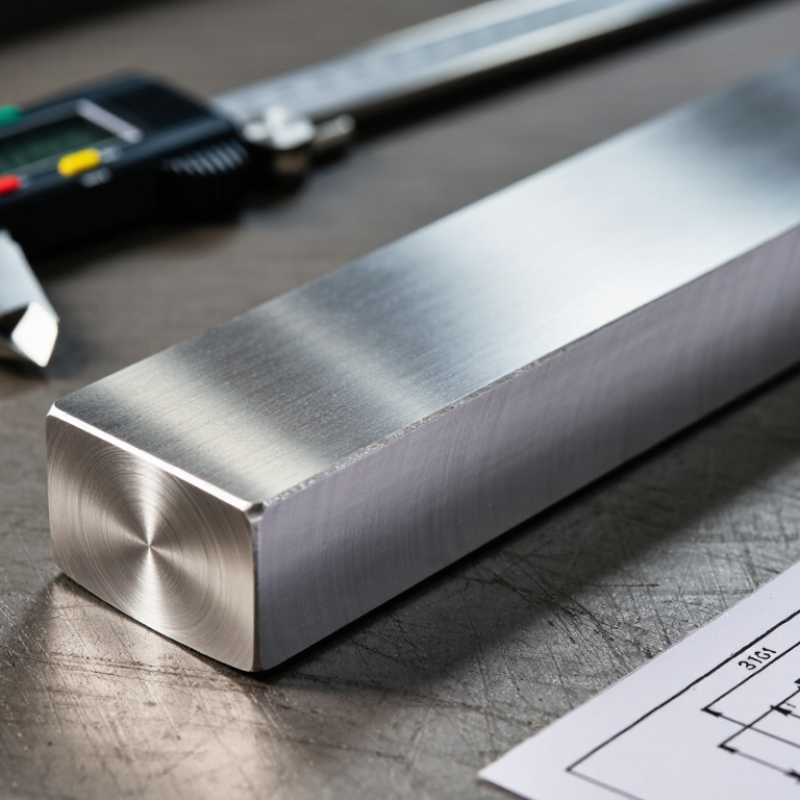
Choosing 316L stainless steel flat bar starts with the actual service environment. Note whether the bar will contact salt spray, cleaning chemicals, food residues, or standing water. The molybdenum in 316L improves resistance to pitting compared with 304, but it does not make the steel immune to chlorides.
That distinction matters. A splash zone and a frequently rinsed indoor surface may need different inspection and maintenance plans.
Then define the work the bar must perform. Record its span, supported edges, expected load, and available thickness before comparing stock sizes. A narrow bar under bending stress may need a different section than a trim strip with little structural duty. Consider welding, drilling, and surface finish, too. Heat tint and rough edges can trap contaminants if they are left untreated.
Ask for material documentation and confirm the specified grade and dimensions against the project requirements. “Marine grade” is not a guarantee; the label can hide important differences. Real installations are rarely as tidy as drawings suggest. Leave room for fabrication tolerances, and review the choice with a qualified materials or design professional when loads or exposure are uncertain.
QUICK LINKS
CONTACT US
Office: (+86) 755 23040566
Tel: (+86) 158 9965 5195
E-mail: sale@pcbledmodule.com
Skype: Hans@Rocket-PCB
Whatsapp: 86 1589965 5195
Office Address: 2207,Bid 4,He Gu Shan Hui Cheng,35#,Guang Tian RoYanluo street, Song Gang Town,518105 SHENZHENG, CHINA
Plant ADD.: No 69, Lianfeng North Road, Xianxi Area, ChangAn Town, Dongguan, China.


Copyright © 2025 Rocket PCB Solution Ltd. | All Rights Reserved Sitemap Friendship link: CNC machining heat sink