Why Choose Terminal Block Connectors for Your Electrical Projects?
In the realm of electrical projects, the importance of selecting the right components cannot be overstated. terminal block connectors play a vital role in ensuring reliable and efficient electrical connections. According to recent industry reports, the global terminal block connector market is projected to reach $3 billion by 2026, reflecting their growing significance in various applications, from industrial automation to consumer electronics.
These connectors offer a safe and organized method for connecting multiple wires, which enhances system integrity. In fact, studies show that nearly 70% of electrical failures can be traced back to poor connections. The use of terminal block connectors can mitigate such failures, promoting longevity and safety in electrical systems.
Despite their benefits, some may overlook the nuances in quality and design. Not all terminal block connectors are created equal. It is crucial to consider factors such as material quality, temperature rating, and compatibility with specific applications. Evaluating these elements can prevent costly mistakes and enhance the overall effectiveness of your project.
Understanding the Basics of Terminal Block Connectors
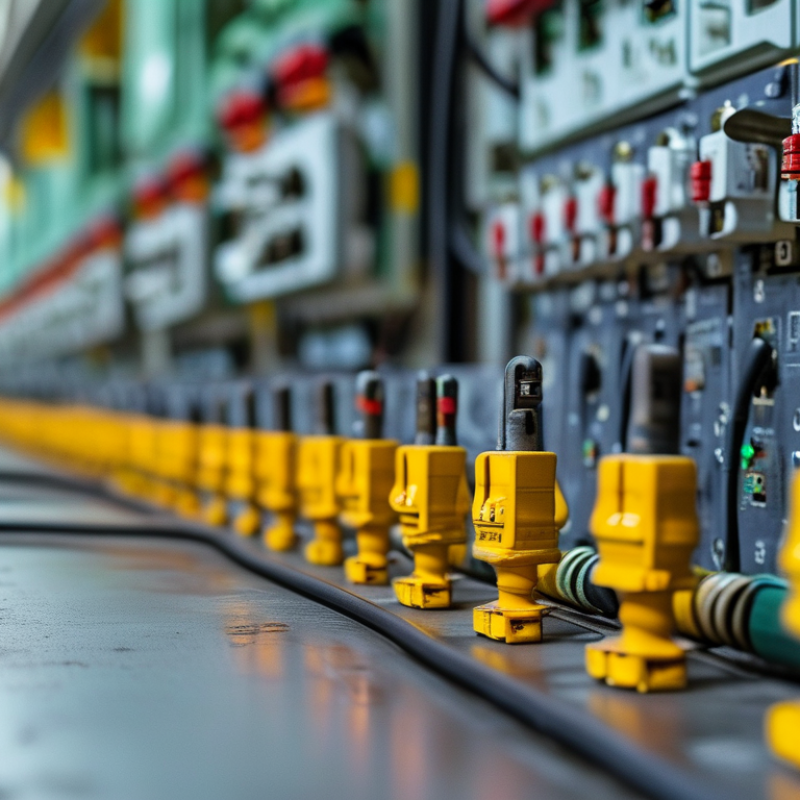
Terminal block connectors play a crucial role in electrical installations. They provide a reliable method for connecting wires without soldering. Understanding their basics is essential for anyone working in electrical projects. According to industry data from Market Research Future, the global terminal block market is projected to reach over $3 billion by 2027. This growth reflects their importance in enhancing electrical systems.
Terminal blocks come in various designs, each serving unique functions. They typically include screw terminals, spring clamp terminals, and push-in terminals. Each type has its particular advantages, offering options for different environments. For instance, screw terminals provide durability, while spring clamps offer ease of installation. These features can significantly affect project timelines and efficiency.
Electrical professionals often face challenges when choosing the right terminal block. Compatibility issues can arise, especially with existing wiring. A considerable number of electricians report difficulties when integrating new systems with outdated connectors. Awareness of these challenges can prompt better selection processes. The effectiveness of terminal block connectors hinges on understanding these details. Keeping abreast of advancements in this field is advisable, as the connectors continue evolving to meet changing demands.
Key Advantages of Using Terminal Block Connectors in Electrical Projects
Terminal block connectors have become a staple in electrical projects for good reason. They provide secure connections in a compact form. This is especially beneficial when space is limited. Their design allows for quick wiring without soldering, which can speed up assembly time. Ease of use is a critical factor when managing multiple wires in a project.
Another significant advantage is their flexibility. Terminal blocks support a variety of wire sizes and types. This adaptability can save time and resources. Additionally, they can easily be reused or rearranged as needed. However, one must consider the potential for wear over time. Regular inspections may be necessary to ensure consistent performance.
Safety is paramount in any electrical application. Terminal block connectors often have built-in features that prevent short circuits. This feature enhances reliability. Yet, they may not eliminate all risks. It’s important to follow proper installation practices and guidelines. Proper knowledge of electrical standards can make a difference in the final outcome. Understanding these aspects can lead to more successful projects.
Advantages of Using Terminal Block Connectors
This bar chart illustrates the key advantages of using terminal block connectors in electrical projects. The data points represent the perceived value of each advantage on a scale of 1 to 100, highlighting features such as ease of use, flexible design, cost efficiency, reliable connections, and safety features.
Different Types of Terminal Block Connectors and Their Applications
Terminal block connectors are integral to modern electrical systems. They come in various types, each serving specific functions. For instance, barrier terminal blocks facilitate safe electrical connections, ensuring that wires are properly secured. According to industry reports, barrier blocks can reduce wiring errors by up to 30%. This statistic highlights their importance in maintaining system reliability.
Another common type is spring terminal blocks. These connectors allow for quick and tool-free wire insertion. Their design minimizes installation time and enhances user experience. In applications where frequent wire changes occur, such as testing equipment, spring terminals prove advantageous. A survey of electrical professionals showed that 45% of them preferred spring terminals for their efficiency.
Moreover, insulated terminal blocks offer necessary protection against short circuits and environmental factors. They are essential in high-voltage applications, where safety is paramount. Data indicates that proper insulation can decrease the risk of electrical failures by as much as 40%. Despite their benefits, users often overlook the importance of selecting the right connectors for their applications, leading to potential future issues.
How to Properly Install and Maintain Terminal Block Connectors
Installing terminal block connectors may seem straightforward. Yet, proper installation is vital for safety and efficiency. Start by ensuring the power is disconnected to avoid electrical shocks. Use insulated tools to prevent accidental short circuits.
Carefully strip the wire ends to expose the copper. Insert these wires into the correct slots of the terminal block. The connection should be secure but not overly tight, which could damage the wire. It's worth noting that improper wiring can lead to frequent failures. Double-check your work to eliminate potential issues.
Maintenance is equally important. Regularly inspect the connections for signs of wear, corrosion, or overheating. Clean the terminal blocks gently with a dry cloth. If you notice any loose wires, reattach them immediately. These small steps can prevent larger problems down the line. Reflecting on past experiences can guide your approach. Prioritizing installation and upkeep will ensure your projects remain safe and reliable.
Common Mistakes to Avoid When Using Terminal Block Connectors
When using terminal block connectors, it’s crucial to avoid common mistakes that can lead to failures. One major error is overlooking the wire gauge. Using the wrong gauge can result in overheating and increased resistance. Always check specifications to ensure compatibility.
Another frequent mistake involves improper tightening of screws. If screws are too loose, it can cause intermittent connections. Conversely, over-tightening can damage the connector. Striking a balance is essential for a reliable connection.
Additionally, failing to organize wiring can lead to confusion and errors during installation. A cluttered setup makes troubleshooting more difficult. Always label wires and ensure a clean layout. Taking these steps can significantly enhance the performance and longevity of your electrical projects.