

Choosing among China’s top 10 Bellow Valve manufacturers requires more than comparing prices or polished websites. A reliable decision begins with operating conditions. Check pressure, temperature, vacuum level, media toxicity, cycle frequency, and required leakage limits. A valve used on helium service needs different evidence from one installed in a steam line.
Philip L. Skousen, author of Valve Handbook, offers a useful principle: “The valve must be selected for the service, not merely for the line size.” This advice remains practical. A qualified Bellow Valve supplier should explain bellows material, weld quality, body construction, seat design, and pressure testing. Ask for helium leak-test records, dimensional drawings, material certificates, and references from comparable industries. Factory audits can reveal details that brochures hide.
The “top 10” label should not be treated as a final answer. Rankings may depend on marketing visibility, export volume, or limited public data. Some manufacturers have strong nuclear experience but weaker support for smaller chemical plants. Others offer attractive customization but lack stable documentation. That matters.
Look closely at production details. Are forming, welding, cleaning, and testing performed under controlled procedures? Can the supplier maintain consistent bellows thickness? Does its service team respond after installation? A low quotation may become expensive when spare parts arrive late or a seal fails early.
This guide compares leading Chinese manufacturers through quality, engineering capability, certifications, customization, delivery performance, and after-sales service. The evidence may not be perfect. Your process requirements should remain the final judge.
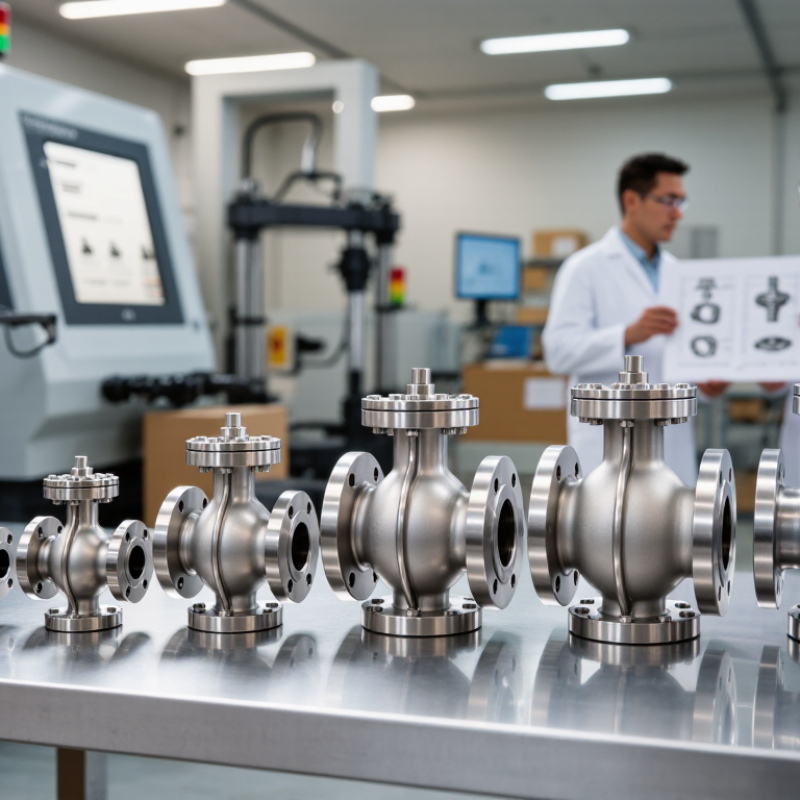
Bellows valves use a flexible metal bellows to seal the valve stem from the process fluid. This design reduces fugitive emissions and protects sensitive media from outside contamination. The bellows move as the valve opens or closes. Welded construction usually improves durability under repeated cycling. However, no valve design is perfect.
These valves are common in semiconductor equipment, pharmaceutical plants, vacuum systems, chemical processing, and high-purity gas lines. They are useful when leakage control matters. They also handle toxic, corrosive, or valuable fluids more safely than standard packed valves. Material selection remains critical. Stainless steel may suit clean gases, while special alloys may resist aggressive chemicals. Temperature, pressure, cycle frequency, and vacuum conditions should be checked together. A manufacturer should provide documented pressure tests, helium leak testing, material certificates, and relevant quality controls. Field experience shows that poor sizing can cause early bellows fatigue, even with excellent workmanship.
Tips: Match the bellows material with the process fluid. Check the rated temperature and pressure separately. Ask about cycle-life testing, not only the initial leak rate. Review the installation direction and maintenance procedure. A compact valve may look efficient, but limited space can make inspection difficult. When comparing manufacturers, evaluate engineering support, traceability, testing records, and response to technical questions. Be cautious with impressive claims that lack measurable test conditions.
A reliable bellows valve manufacturer in China proves performance beyond a polished catalog. MarketsandMarkets estimates the global industrial valves market will approach USD 100 billion by 2028, with process safety driving demand. This growth makes supplier verification more important. Ask for material certificates, welding qualifications, pressure-test records, and traceable serial numbers. A serious factory can show these documents quickly.
Look closely at the bellows. Manufacturers should explain forming methods, weld inspection, cycle testing, and helium leak testing.
ISO 15848-1 provides a recognized framework for fugitive-emission classification and testing. API 598 remains widely used for pressure and leakage inspection.
These standards do not replace engineering judgment. They support it. Request actual test data, not only compliance statements.
Factory experience also matters. Visit the assembly area, observe cleanliness, and inspect how operators protect thin bellows during installation. Grand View Research reports that automation and energy projects continue expanding industrial valve demand, but production speed can hide quality risks.
Check nonconformance records and corrective actions. A supplier refusing to share lessons learned deserves caution. No factory is perfect. The honest ones can explain a past failure, its root cause, and the design change that followed.
Reliable manufacturers also provide clear drawings, responsive technical support, stable lead times, and after-sales traceability.
Comparing China’s top 10 bellows valve manufacturers requires more than reading product rankings. A shortlist is only a starting point. Check each supplier’s experience with your medium, pressure, temperature, and operating cycles. Ask for material certificates, dimensional drawings, and recent inspection records. A reliable manufacturer should explain bellows design, body materials, welding methods, and leakage-control procedures clearly.
Request samples or a witnessed factory test when the application is critical. Compare pressure-test results, helium leak-test methods, surface treatment, and documentation quality. Also review production capacity, quality control staff, and after-sales response times. A lower quotation may hide longer lead times, limited spare parts, or weaker testing. I have seen polished brochures create false confidence. They are not proof.
Tips: Use the same technical checklist for all ten suppliers. Ask identical questions. Compare total ownership cost, not only unit price. Check references from similar industries, but verify them independently. Clarify tolerances, delivery milestones, warranty terms, and change-control procedures before signing. Small details matter. Even careful buyers can overlook packaging damage or unclear inspection responsibility. If a supplier avoids direct answers, treat that as useful evidence, not a minor inconvenience.
This chart presents a neutral procurement-weighting model for comparing bellows valve manufacturers. The criteria reflect commonly used industrial selection factors: sealing performance, pressure and temperature suitability, material compatibility, manufacturing quality, standards compliance, customization capability, delivery reliability, and lifecycle cost. The percentages are evaluation weights, not rankings or claims about any specific company.
When comparing China’s top ten bellow valve manufacturers, buyers should inspect more than catalog claims. Request material certificates for the body, stem, and bellows. Confirm pressure, temperature, and media ratings for the actual operating conditions. A valve designed for clean gas may fail in corrosive service.
Ask how the manufacturer verifies bellows durability. Cycle testing, weld inspection, and helium leak testing should be documented, not simply promised. Check whether each valve has traceable heat numbers, inspection records, and calibrated test equipment. Review relevant standards, but do not assume compliance from a logo on a datasheet. Technical drawings should show connection details, face-to-face dimensions, and allowable installation positions. Small omissions can create expensive site problems.
Service quality deserves equal attention. A capable supplier should review your process data, question unclear specifications, and provide practical alternatives. Ask for sample inspection reports, production lead times, spare-part availability, and factory acceptance procedures. Communication matters when a drawing changes at midnight. It happens. The response should be clear and recorded. Evaluate warranty terms, failure analysis, and post-delivery technical support. A polished website proves little. Speak with the engineering team and request evidence from comparable projects, while protecting confidential information. I would also test a sample valve independently before approving a large order. That extra step costs time, but it may reveal surface damage, poor alignment, or leakage that factory documents miss.
Selecting the best bellows valve manufacturer starts with your application, not a ranking table. Define the medium, pressure, temperature, cycle frequency, connection size, and allowable leakage. A valve for high-purity gas needs different controls from one handling hot steam. Write these conditions in a technical datasheet. Missing one detail can distort every quotation.
Ask how the manufacturer forms, welds, and inspects the bellows. Request material certificates, weld procedures, pressure-test records, and helium leak-test results when tightness is critical. Check whether testing follows recognized standards and whether reports identify serial numbers. Traceability matters. Review sample drawings and inspection plans before placing an order. A low price may hide limited fatigue testing, weak documentation, or costly modifications.
For China-based suppliers, assess engineering communication, production capacity, and after-sales response through a video audit or site visit. Discuss spare parts, delivery controls, and installation support. Ask for references from applications with similar temperature and cycling demands. Do not rely on catalog figures alone; confirm actual operating limits. I have seen technically capable factories lose trust because replies arrived late. That is a useful warning. Select the supplier that explains risks clearly, admits limitations, and proves performance through consistent records.
How to Select the Best Manufacturer for Your Application? — Application-Based Capability Comparison
| Selection Profile | Typical Application | Recommended Valve Design | Common Size Range | Typical Pressure Rating | Recommended Body and Bellows Materials | Temperature Considerations | Key Standards and Tests | Required Manufacturer Evidence | Best-Fit Manufacturer Capability |
|---|---|---|---|---|---|---|---|---|---|
| 1. Clean Chemical Service | Corrosive liquid chemicals, solvents, and process media where external leakage must be minimized. | Bellows-sealed globe valve with a welded bonnet and low-dead-volume flow path. | DN15–DN100 1/2–4 in | PN16–PN40 Class 150–300 | 316L stainless steel body; 316L or nickel-alloy bellows; PTFE or graphite secondary sealing where compatible. | Confirm chemical compatibility, thermal cycling resistance, and the maximum allowable temperature of the seat and gasket. | ASME B16.34; EN 12516; hydrostatic and seat-leakage testing; helium or air leak testing when specified. | Material certificates, weld procedure records, bellows cycle data, pressure-test reports, and chemical compatibility confirmation. | Manufacturer with proven stainless-steel fabrication, clean assembly, and documented corrosion-control procedures. |
| 2. Toxic or Fugitive-Emission Service | Hazardous, toxic, carcinogenic, or volatile media where stem leakage presents a safety or environmental risk. | Fully welded bellows-sealed globe valve with a secondary stem seal and monitored bonnet design. | DN15–DN150 1/2–6 in | Class 150–600 PN16–PN100 | Carbon steel, stainless steel, or nickel alloy body according to the process medium; stainless or alloy bellows. | Specify both minimum design temperature and operating temperature; consider embrittlement, thermal expansion, and bellows fatigue. | ISO 15848-1 or ISO 15848-2; API 624 where applicable to rising-stem valves; ASME B16.34. | Fugitive-emission classification, test medium, test temperature, cycle count, and traceable final leak-test results. | Manufacturer with validated low-emission testing and documented control of stem, bonnet, and bellows weld quality. |
| 3. High-Temperature Steam | Boiler feed systems, steam distribution, superheated steam, and thermal-oil equipment. | Bellows-sealed globe or stop valve with an extended bonnet and graphite-based secondary sealing. | DN15–DN200 1/2–8 in | Class 300–600 PN40–PN100 | Carbon steel, Cr-Mo alloy steel, or stainless steel body; heat-resistant stainless or nickel-alloy bellows. | Verify creep resistance, thermal shock performance, and pressure-temperature ratings at the actual operating temperature. | ASME B16.34; EN 12516; applicable fire-safe requirements; shell and seat pressure testing. | Pressure-temperature chart, heat-treatment records, PMI reports, weld qualification documents, and thermal-cycle test data. | Manufacturer experienced in forged or cast high-temperature bodies and controlled heat treatment. |
| 4. Ultra-High-Vacuum Service | Vacuum furnaces, semiconductor equipment, research systems, and analytical instruments. | All-metal bellows valve with welded construction, low outgassing surfaces, and vacuum-rated actuation. | DN10–DN100 NW10–NW100 or 1/4–4 in | Atmospheric pressure to vacuum service; confirm pressure differential and external pressure limits. | 316L stainless steel body and bellows; electropolished or mechanically polished wetted surfaces when required. | Specify base pressure, bake-out temperature, outgassing limit, and allowable permeation rate. | ISO 2861, ISO 1609, ISO 21358, or customer-specific vacuum specifications; helium mass-spectrometer leak testing. | Helium leak rate, bake-out capability, surface-finish report, cleanliness certificate, and particle-control procedure. | Manufacturer with vacuum assembly, orbital welding, helium leak detection, and cleanroom or controlled-cleaning capability. |
| 5. Cryogenic Service | Liquid nitrogen, oxygen, argon, LNG-related auxiliary systems, and low-temperature gas service. | Extended-bonnet bellows-sealed globe valve designed to keep the stem seal and actuator outside the cold zone. | DN15–DN150 1/2–6 in | Class 150–600 PN16–PN100 | 304L or 316L stainless steel body; stainless or nickel-alloy bellows; oxygen-clean materials when applicable. | Confirm minimum design temperature, bonnet length, seat material, insulation interface, and gasification behavior. | EN 1626 for cryogenic valves where applicable; ASME B16.34; oxygen-cleaning specifications when required. | Low-temperature test report, oxygen-clean certificate if applicable, material impact data, and bonnet dimensional drawing. | Manufacturer with cryogenic test equipment, controlled degreasing, and experience with extended-bonnet designs. |
| 6. High-Purity Gas Service | Industrial gas, laboratory gas, semiconductor gas, and high-purity process distribution. | Compact bellows-sealed valve with orbital-weld or face-seal connections and minimized internal particle generation. | 1/4–2 in DN6–DN50 | Typically 10–25 bar Higher ratings subject to connection and design approval. | 316L stainless steel; electropolished wetted surfaces; metal bellows and high-purity connection components. | Specify moisture, oxygen, particle, and hydrocarbon limits in addition to temperature and pressure. | ASME BPE principles where applicable; CGA or SEMI-related customer specifications; helium leak testing. | Surface roughness report, cleaning validation, particle and moisture test results, weld inspection, and packaging controls. | Manufacturer with high-purity cleaning, electropolishing control, orbital welding, and sealed packaging procedures. |
| 7. Nuclear or Safety-Critical Service | Safety-related or high-reliability systems requiring strict traceability and long service life. | Redundant or qualified bellows-sealed globe valve with controlled manufacturing and documented design verification. | Project-specific; commonly DN15–DN200. | Project-specific; commonly Class 150–600 or PN16–PN100. | Qualified carbon steel, stainless steel, or nickel alloy according to the approved material specification. | Evaluate radiation, seismic loads, aging, thermal transients, and qualification temperature range. | ASME Section III, RCC-M, IEEE, or national nuclear requirements according to project jurisdiction. | Design qualification, seismic or vibration test data, material traceability, configuration control, and quality-assurance records. | Manufacturer with audited quality systems, long-term document retention, and formal configuration management. |
| 8. High-Cycle Automated Service | Frequent on/off operation, sampling systems, skid packages, and automated process control. | Bellows-sealed globe valve with pneumatic or electric actuator, position feedback, and suitable flow coefficient. | DN15–DN100 1/2–4 in | PN16–PN40 Class 150–300 | 316L stainless steel or carbon steel body; fatigue-resistant bellows; hardened trim when erosion is possible. | Calculate bellows fatigue from stroke, frequency, pressure, and temperature rather than relying only on static pressure data. | ASME B16.34; IEC 60534 for control-valve characteristics where applicable; actuator and functional testing. | Cycle-life calculation, actuator sizing sheet, fail-position confirmation, response-time data, and functional test report. | Manufacturer able to integrate valve, actuator, positioner, limit switches, and control-system interfaces. |
| 9. Slurry or Particle-Bearing Media | Powder transfer, catalyst systems, abrasive liquids, and media containing suspended solids. | Bellows-sealed globe valve only when solids loading is manageable; use a protected trim and self-draining geometry. | DN25–DN150 1–6 in | PN16–PN40 Class 150–300 | Wear-resistant stainless steel, alloy steel, or nickel alloy trim; bellows material selected for corrosion and fatigue resistance. | Check erosion rate, plugging risk, velocity, pressure drop, and whether the bellows is shielded from direct impingement. | ASME B16.34; EN 12516; seat and shell tests; application-specific erosion or wear validation. | Flow-path drawing, particle-size limits, wear-test data, trim-hardness records, and maintenance recommendations. | Manufacturer able to customize trim geometry and demonstrate experience with abrasive or contaminated process media. |
| 10. General Industrial Utility Service | Water, air, nitrogen, non-corrosive gas, heating systems, and general plant utilities. | Standard bellows-sealed globe valve with flanged, threaded, or welded-end connections. | DN15–DN300 1/2–12 in | PN16–PN40 Class 150–300 | Carbon steel, ductile iron where permitted, or stainless steel; stainless bellows; graphite or PTFE secondary seal. | Match body, gasket, seat, and bellows materials to the utility medium and operating temperature. | ASME B16.34; EN 12516; EN 1092 or ASME B16.5 flange dimensions; standard pressure testing. | General arrangement drawing, dimensional inspection, pressure-test certificate, coating specification, and spare-parts list. | Manufacturer offering standardized designs, stable production capacity, interchangeable parts, and reliable after-sales support. |
Selection note: Actual pressure, temperature, size, material, connection, leakage class, and testing requirements must be confirmed against the manufacturer’s approved datasheet and the applicable project standard.
QUICK LINKS
CONTACT US
Office: (+86) 755 23040566
Tel: (+86) 158 9965 5195
E-mail: sale@pcbledmodule.com
Skype: Hans@Rocket-PCB
Whatsapp: 86 1589965 5195
Office Address: 2207,Bid 4,He Gu Shan Hui Cheng,35#,Guang Tian RoYanluo street, Song Gang Town,518105 SHENZHENG, CHINA
Plant ADD.: No 69, Lianfeng North Road, Xianxi Area, ChangAn Town, Dongguan, China.


Copyright © 2025 Rocket PCB Solution Ltd. | All Rights Reserved Sitemap Friendship link: CNC machining heat sink