English


Choosing the best Water Purification System in 2026 is not as simple as comparing prices or counting filtration stages. Water quality changes by location, building age, and household needs. A family using well water faces different concerns than an apartment resident with treated municipal water. Taste, lead, bacteria, PFAS, hardness, and sediment may require different solutions.
A trustworthy comparison should begin with a recent water test. Check the laboratory report before buying equipment. Look for independent certifications, such as NSF/ANSI standards, and verify the exact contaminants the system can reduce. A carbon filter may improve chlorine taste, while reverse osmosis can address many dissolved substances. However, it may waste water and remove useful minerals. Ultraviolet treatment can target microorganisms, but it does not remove chemicals or sediment. The details matter.
This guide examines performance, maintenance, installation, operating cost, and verified claims. It also considers practical moments, such as replacing a cartridge under a kitchen sink or noticing declining water pressure during cooking. No single system is best for every home. That is worth admitting. Product labels can sound impressive, yet real results depend on correct installation and timely maintenance. Even the most advanced unit can fail when filters are ignored. By comparing evidence, household conditions, and long-term value, this review aims to make the 2026 decision clearer, safer, and more realistic. Some recommendations may still require reflection after local testing. That is the responsible approach.
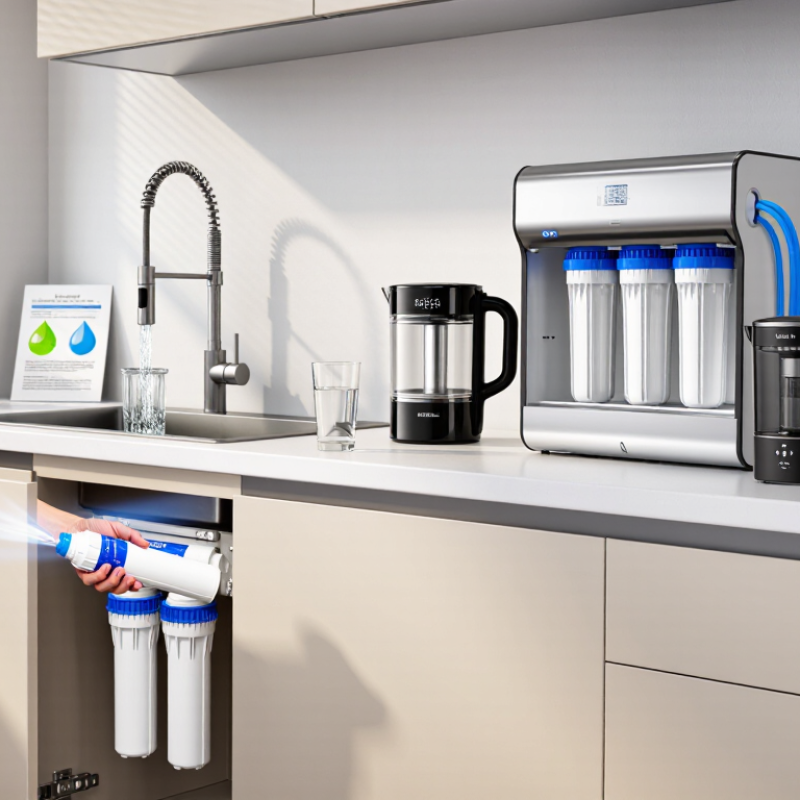
A water purification system removes or reduces unwanted substances from water. These may include microbes, sediment, metals, salts, and chemical residues. The best design depends on the source water, intended use, and measured risks. No single system is universally best.
The core goal is safe, consistent water quality. The WHO Guidelines for Drinking-water Quality place microbial safety at the highest public-health priority. Their framework also recommends health-based targets, treatment controls, and continuous monitoring. In practical testing, this means checking raw water before selecting equipment. A clear glass can still hide dissolved contaminants.
The numbers remain serious. The WHO and UNICEF Joint Monitoring Programme reported that 2.2 billion people lacked safely managed drinking water in 2022. About 703 million people lacked even a basic drinking-water service. These findings show why purification must address access, reliability, and contamination control together.
Common treatment stages include sediment filtration, activated carbon, disinfection, and membrane separation. Each stage has limits. Carbon can improve taste but may not remove every pathogen. Membranes can reduce salts but require pressure, maintenance, and wastewater management. The U.S. Environmental Protection Agency emphasizes performance verification and proper operation, not technology labels alone.
A useful evaluation asks four questions: What is present? What must be removed? How will performance be verified? Who will maintain the system? Maintenance is often underestimated. That weakness can turn good equipment into poor protection. Even reliable systems need replacement schedules, testing records, and honest review when results change.
QUICK LINKS
CONTACT US
Office: (+86) 755 23040566
Tel: (+86) 158 9965 5195
E-mail: sale@pcbledmodule.com
Skype: Hans@Rocket-PCB
Whatsapp: 86 1589965 5195
Office Address: 2207,Bid 4,He Gu Shan Hui Cheng,35#,Guang Tian RoYanluo street, Song Gang Town,518105 SHENZHENG, CHINA
Plant ADD.: No 69, Lianfeng North Road, Xianxi Area, ChangAn Town, Dongguan, China.


Copyright © 2025 Rocket PCB Solution Ltd. | All Rights Reserved Sitemap Friendship link: CNC machining heat sink