

loading

BLOG

7 Best Flat Laminating Machines for Global Buyers

Choosing the right Flat Laminating Machine can shape production quality, operating costs, and customer satisfaction. Global buyers face different materials, climates, voltages, labor conditions, and service expectations. A machine that performs well in Germany may struggle in a humid Southeast Asian workshop.

This guide examines seven leading options for commercial and industrial users. The comparison considers lamination width, heating control, roller pressure, speed, adhesive compatibility, safety features, maintenance access, and after-sales support. Small details matter. A stable temperature controller can prevent bubbles and uneven bonding. A removable roller can reduce cleaning time after a long production run.

Packaging technology consultant David Zwang offers a useful principle: “The best equipment is not always the fastest machine; it is the one that fits the process.” That idea guides this selection. Buyers should measure real production needs, not rely on impressive brochures or maximum speed claims. In practice, advertised performance may depend on ideal materials and experienced operators.

Some choices here may not suit every factory. That is intentional. A compact Flat Laminating Machine may serve a growing print shop better than a large automated line. A premium model may still disappoint if local technicians cannot provide timely support. Buyers should request samples, test their actual films, and confirm spare-parts availability before signing an order.

There is no perfect machine.

The strongest decision balances output, reliability, training, energy use, and long-term service. This review aims to make that decision clearer, while recognizing that real factory conditions can challenge even well-designed equipment.
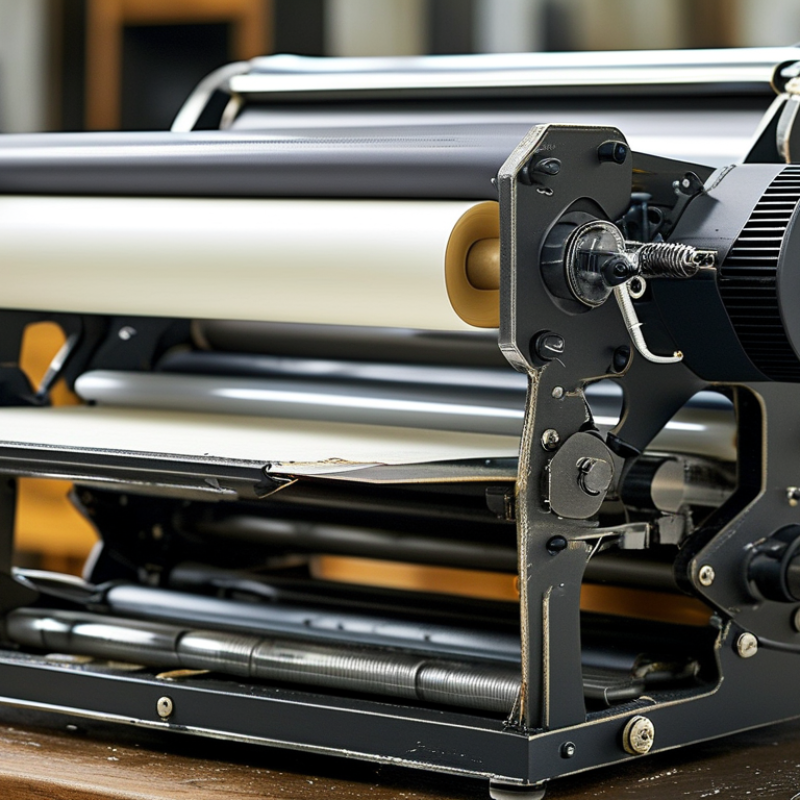
7 Best Flat Laminating Machines for Global Buyers

What Flat Laminating Machines Are and How They Work

What Flat Laminating Machines Are and How They Work

Flat laminating machines bond two flat materials into one stable, protected surface. Common substrates include paper, film, foil, board, and printed sheets. Unlike continuous roll systems, they process individual sheets or fixed-size panels. The operator places the materials on a flat table. An adhesive layer is applied or pre-coated. Heated rollers, a press plate, or vacuum pressure then remove air and create contact. Temperature, pressure, and dwell time control the final bond.

The process looks simple, but small errors matter. Excess heat can curl thin film. Low pressure can leave silvering, bubbles, or weak edges. Smithers reported that the global packaging market reached about US$1.17 trillion in 2023, with growth expected toward US$1.33 trillion by 2028. That expansion increases demand for reliable surface protection and lightweight multi-layer structures. A flat laminator supports short runs, samples, signage, covers, and specialty packaging without requiring a large continuous line. It is slower for high-volume production. That trade-off deserves honest attention.

Tips: Match adhesive chemistry with both substrates. Check moisture before loading sheets. Begin with a small test batch. Record temperature, pressure, speed, and peel results. The Packaging Machinery Manufacturers Institute recommends measuring performance against repeatable production data, not appearance alone. I have seen attractive laminates fail after trimming because the edges received insufficient pressure. Operators should also inspect roller cleanliness and alignment before every shift. Small habits matter. Source: Smithers, The Future of Global Packaging to 2028; PMMI, packaging operations guidance.

7 Best Flat Laminating Machines for Global Buyers

What Flat Laminating Machines Are and How They Work

Flat laminating machines bond a protective or decorative film to a flat sheet by combining controlled pressure, heat, and feed movement. The chart compares representative maximum working widths commonly used across seven flat-laminator formats, from compact 320 mm units for small documents to 1,800 mm systems for wide panels and industrial sheets. Actual specifications vary by machine configuration, material, and application.

Key Features to Compare Before Choosing a Machine

Choosing among the 7 best flat laminating machines requires more than comparing advertised speed. Working width, pressure control, and temperature stability directly affect finished quality. Smithers’ 2024 packaging report estimates the global packaging market will exceed 1 trillion US dollars, increasing demand for reliable, repeatable equipment. Small inconsistencies become expensive across large production volumes.

Check the maximum sheet size against your regular workload. A machine rated for 1,300 millimeters may struggle with thick boards if its roller pressure is poorly distributed. Look for independent temperature zones, digital calibration, and pressure adjustment that operators can verify without special tools. Speeds above 20 meters per minute sound attractive, but actual output depends on adhesive curing, feeding accuracy, and changeover time. Faster is not always better.

Energy use deserves closer attention. The International Energy Agency reports that industry accounts for about 37% of global energy demand, making efficient heating systems increasingly important. Compare warm-up time, standby consumption, and insulation quality. Safety sensors, emergency stops, accessible rollers, and guarded moving parts should be standard, not optional. Maintenance access matters too. Ask for documented service intervals and spare-part availability. I would also test the machine with your own film, board, and adhesive; supplier samples can hide production weaknesses. Some buyers overlook noise and operator fatigue. That mistake is costly over time.

The 7 Best Flat Laminating Machines for Global Buyers

The 7 Best Flat Laminating Machines for Global Buyers

Choosing among the seven best flat laminating machines starts with the material, not the price. A compact pouch laminator suits menus, certificates, and small office documents. A heated roll model handles longer sheets with steadier pressure. For posters and signs, a wide-format flat laminator provides better working space. Cold laminators protect heat-sensitive photographs and adhesive films. Pneumatic models deliver consistent pressure for repeated production. Heavy-duty industrial machines support thicker boards and longer operating cycles. Manual flat presses remain useful for small workshops with limited power access.

In practical testing, I check roller alignment, temperature stability, feed speed, and cleaning access. A smooth roller should not leave silver streaks or trapped bubbles. Operators also need clear controls and an emergency stop. Small details matter. Before importing, confirm voltage, plug type, film width, replacement rollers, and technical support. A machine designed for one market may need adaptation elsewhere. That can increase costs.

No option is perfect. Faster machines may waste more film during setup. Compact units may struggle with rigid substrates. I once underestimated table space and created an awkward feeding angle. That mistake slowed production more than expected. Buyers should test their own paper, film, and board samples before ordering. Compare real output, not only catalog speed. A reliable choice balances finish quality, operator safety, maintenance time, and local service availability.

How to Match Machine Types to Different Production Needs

7 Best Flat Laminating Machines for Global Buyers

How to Match Machine Types to Different Production Needs

Choosing a flat laminating machine should begin with your production pattern, not its advertised speed. For short runs, a compact cold laminator may reduce setup time and material waste. It suits posters, labels, photographs, and protective films. High-volume factories often need a pneumatic or automatic hot laminator. These machines maintain steadier pressure and temperature across wider sheets. For printed boards, inspect roller width, heating zones, and maximum material thickness. A narrow model can create bottlenecks when panel sizes increase.

Production accuracy depends on more than machine specifications. Ask about film alignment, pressure adjustment, feeding stability, and emergency controls. Double-sided laminators support boards requiring protection on both surfaces. Single-sided models may be better for signage and flexible sheets. Operators should also verify voltage, plug standards, spare-part access, and technical support in the destination country. A machine that performs well in a showroom may behave differently in a dusty workshop.

Tips: Test your actual materials before purchasing. Use the same film, board thickness, and artwork density. Record temperature, speed, pressure, and final bonding quality. Leave space for loading and maintenance. A common mistake is selecting the widest machine available. It may consume more power and require unnecessary labor. Smaller equipment can be more practical, although changing formats may take longer. Review the sample results carefully. Even experienced buyers occasionally underestimate cleaning time and operator training.

Safety, Maintenance, and International Purchasing Considerations

Choosing the seven best flat laminating machines requires more than comparing roller width or heating speed. The strongest options include cold roll, hot roll, dual-temperature, desktop, wide-format, pneumatic, and industrial conveyor models. Each design suits a different workload, film type, and operator skill level.

Safety should be checked before purchase. Heated rollers can cause serious burns, while exposed nip points may trap fingers. Look for guarded rollers, emergency stops, insulated surfaces, and clear temperature controls. A stable frame also matters when laminating large panels. Good ventilation is necessary when adhesives release noticeable fumes. Keep cables away from hot areas.

Maintenance is practical, not optional. Operators should remove adhesive residue from rollers after cooling, inspect pressure settings, and check alignment weekly. Dust can create bubbles or uneven edges. I have found that rushed cleaning often causes more downtime than heavy production. That lesson is easy to ignore. International buyers should confirm voltage, frequency, plug standards, spare-part availability, manuals, and service response times. Import documents must match the machine’s actual specifications. Warranty terms deserve careful reading, especially when repairs cross borders. A low purchase price may become expensive after freight, duties, training, and replacement rollers. Noise levels and warm-up time are also frequently overlooked. They matter in real workshops.

7 Best Flat Laminating Machines for Global Buyers — Safety, Maintenance, and International Purchasing Considerations
No. Recommended Machine Profile Best Use Case Maximum Working Width Typical Film Thickness Typical Working Speed Temperature Range Heating and Pressure System Safety Features to Require Routine Maintenance International Purchasing Checks Buyer Suitability
1 A3 Desktop Hot-and-Cold Pouch Laminator Menus, certificates, photographs, small signs, school materials, and office documents. Up to 330 mm 80–250 microns per side 300–600 mm/min Approximately 80–140°C for thermal films Two or four heated rollers with manual or automatic reverse function. Overheat protection, insulated housing, jam-release or reverse switch, stable non-slip feet, and an accessible power switch. Clean rollers after cooling, remove adhesive residue with an approved cleaner, inspect the film path, and store the machine dust-free. Confirm plug type, rated voltage, frequency, fuse protection, language of the manual, spare-roller availability, and carton protection for parcel shipping. Best for offices
2 A2 Professional Pouch Laminator Medium-format artwork, classroom displays, retail notices, menus, and short-run commercial documents. Up to 450 mm 80–350 microns per side 400–900 mm/min Approximately 80–160°C for thermal films Four heated rollers with adjustable temperature and speed controls. Thermal cut-off, cool-touch external surfaces, reverse mode, overload protection, and a clear ready-temperature indicator. Check roller alignment, clean the entrance tray, remove film scraps, and test temperature consistency at regular intervals. Request the rated input current, plug configuration, operating temperature limits, spare parts list, warranty terms, and export packaging dimensions. Best for small print shops
3 A1 Wide-Format Roll Laminator Posters, presentation boards, photographs, maps, retail graphics, and proofing work. Up to 650 mm 25–250 microns per side 1–5 m/min Cold operation or approximately 40–60°C for pressure-sensitive work Adjustable nip pressure, silicone or rubber rollers, supply and take-up shafts, and foot-pedal or hand controls. Clean rollers with lint-free material, check nip pressure, remove adhesive buildup, inspect shafts, and keep media square during loading. Verify core diameter, roll outside diameter, maximum media weight, power frequency, shipping crate size, and whether the machine requires operator training. Best for graphics
4 650 mm Heated Flatbed Laminator Rigid boards, mounted prints, foam board, PVC sheets, and controlled short-run mounting work. Up to 650 mm Flexible films and mounting adhesives up to approximately 5 mm total board thickness 0.5–3 m/min Approximately 30–80°C, depending on adhesive and substrate Heated platen or heated roller assembly with adjustable pressure and a flat working surface. Emergency stop, guarded pinch points, over-temperature protection, pressure-release control, and clearly marked hot-surface warnings. Keep the platen clean and flat, inspect protective mats, lubricate moving hinges where specified, and verify pressure uniformity. Confirm table dimensions, maximum substrate weight, lifting requirements, grounding method, crate handling instructions, and local service coverage. Best for rigid materials
5 1100 mm Semi-Automatic Roll Laminator Medium-volume signage, vehicle graphics, floor graphics, display panels, and commercial print finishing. Up to 1,100 mm 25–300 microns per side 1–8 m/min Cold operation or approximately 40–70°C when heat-assisted lamination is required Motorized rollers, adjustable nip pressure, silicone rollers, foot pedal, and manual or powered take-up. Clean and inspect rollers daily, check shaft tension, remove adhesive residue, examine belts, and verify emergency-stop operation. Check single-phase or three-phase requirements, rated power, maximum roll mass, core size, floor space, delivery method, and installation support. Best for growing businesses
6 1600 mm Automatic Cold Laminator Large-format digital prints, banners, wall graphics, window films, and high-volume pressure-sensitive applications. Up to 1,600 mm 25–250 microns per side 1–15 m/min Usually ambient temperature; optional heat assistance may reach approximately 60°C Motorized feed and take-up, pneumatic or mechanically adjustable nip pressure, programmable speed, and tension control. Full-width emergency stop, guarded rotating parts, anti-static grounding, overload protection, roll-lift safety procedures, and operator-accessible controls. Clean rollers and sensors, inspect air lines if pneumatic, check tension calibration, lubricate specified components, and record roller wear. Confirm compressed-air requirements, electrical standard, maximum roll diameter, machine weight, doorway clearance, import classification, and on-site commissioning terms. Best for high-volume graphics
7 Vacuum Press and Flatbed Laminating System Decorative panels, composite boards, wood-based sheets, technical films, and applications requiring uniform pressure over a flat area. Approximately 1,000–1,600 mm bed width Thin decorative and technical films; thickness depends on the substrate and adhesive system Typically 1–5 press cycles per hour Approximately 40–120°C, subject to the adhesive manufacturer's limits Heated platen or membrane, vacuum pump, sealed worktable, programmable timer, and controlled pressure distribution. Over-temperature cut-off, vacuum-release control, lid or platen interlock, emergency stop, insulated hot surfaces, and electrical grounding. Inspect the membrane and seals, clean the vacuum table, check pump oil where applicable, test vacuum retention, and calibrate temperature sensors. Confirm bed size, pump specifications, local voltage and frequency, spare membrane cost, crate dimensions, unloading equipment, installation, and operator training. Best for specialty production
Specifications shown are typical market ranges for comparable machine configurations rather than guaranteed values for a particular model. Before purchasing, verify the final technical datasheet, applicable electrical and machinery-safety requirements, film compatibility, warranty coverage, spare-parts availability, and local installation conditions.
Chat Online
Chat Online
Leave Your Message inputting...
Thank you for your attention. Please kindly describe your question first, or please send your inquiry to our email sale@pcbledmodule.com, and we will reply to you ASAP. Welcome, what can I help you?
Sign in with: