

loading

BLOG

What Is the Best Electric Utility Van in China?

Choosing the best Electric Utility Van in China depends on the work it must do each day. A delivery fleet covering dense city streets has different needs from a maintenance team carrying tools between smaller towns. Range matters, but it is only one part of the decision. Payload, cargo dimensions, charging time, service access, and total ownership costs deserve equal attention.

A useful comparison starts with the route. Note the usual distance, stop frequency, load weight, and available charging windows. Then check the manufacturer’s stated range against those conditions. Real-world energy use can change with temperature, traffic, driving style, and cargo weight. A spec sheet can mislead. That matters.

This guide examines the factors that help buyers compare electric utility vans available in China, including battery and charging details, usable cargo space, safety equipment, warranty terms, and after-sales support. It also considers whether a van suits urban delivery, trades work, or other commercial duties. Where published information is limited or difficult to compare, that uncertainty should be made clear rather than hidden behind confident rankings. The answer is not perfectly neat: the “best” model may differ by region, fleet size, and daily workload. Use the comparison as a starting point, then confirm specifications, service coverage, and operating costs with the supplier before making a purchase decision.
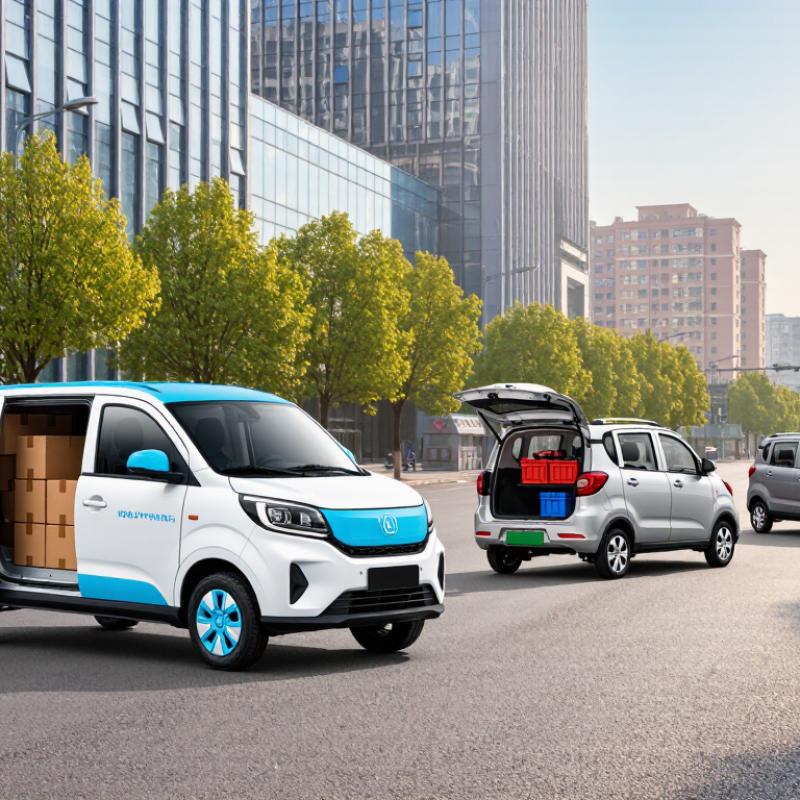
What Is the Best Electric Utility Van in China?

Defining Electric Utility Vans and Their Role in China

An electric utility van is a battery-powered commercial vehicle built to carry tools, parts, parcels, or service equipment. In China, it can support urban deliveries, facility maintenance, and municipal work. Picture a technician carrying ladders and cable reels through morning traffic, then returning to a depot between jobs. That is a practical use case.

The category is not perfectly tidy. Some vans prioritize enclosed cargo space; others need shelving, extra seating, or a reinforced floor. Electric drive can suit repeated city routes, especially when vehicles charge overnight at a depot. But range depends on payload, traffic, weather, and heating or cooling use. A published range figure alone tells little. Check usable cargo volume, rated payload, charging time, and real route distance. Small details matter. A sliding door that opens beside a narrow curb may save minutes, while poor access to charging can disrupt a whole shift. I would not assume every fleet can switch easily.

Tips: Map a normal workday, including detours and idle time. Test the van with its actual tools or cargo. Record energy use in cold and hot weather, not just on a short demonstration drive.

China’s Electric Utility Van Market and Main Vehicle Types

China’s electric utility van market is shaped by dense cities, frequent deliveries, and varied road conditions. Buyers can choose vehicles for urban parcels, maintenance work, or heavier commercial loads. Local charging access matters as much as advertised range. A van that suits a short city route may struggle on longer rural runs. Real-world use varies.

Main vehicle types include compact cargo vans for narrow streets and frequent stops, and medium-duty vans for larger loads. Passenger-and-cargo versions serve work teams that carry tools and people. Refrigerated models support temperature-sensitive deliveries, while chassis-cab vehicles accept specialized bodies. Payload, usable cargo volume, door opening, and turning radius deserve close attention. Bigger is not always better. I would also check how much range remains with a full load, since published figures may not reflect daily routes.

Tips: Match the van to a typical workday, not an ideal one. Record route distance, load weight, stop frequency, and overnight charging options. Ask for a loaded test drive if possible. Small details matter: a low floor can speed loading, while a narrow side door can become frustrating. A little planning helps.

What Is the Best Electric Utility Van in China? — China’s Electric Utility Van Market and Main Vehicle Types

Vehicle Type Typical Configuration Cargo Capacity Profile Best-Suited Uses Main Advantages Key Considerations Best Choice When…
Compact electric cargo van Small body, usually with two front seats and an enclosed cargo area; designed for frequent urban stops. Lower cargo volume and payload than larger van classes; capacity varies by vehicle dimensions and configuration. Small-parcel delivery, retail replenishment, neighborhood services, and narrow urban streets. Easy to maneuver and park; its smaller size can suit dense city routes and short-distance operations. Limited room for bulky goods; payload and usable range should be checked against the intended route and load. Routes are mostly in built-up areas and cargo size matters more than maximum capacity.
Standard electric panel van Enclosed cargo body with a more balanced footprint and loading space than a compact van. Mid-range cargo capacity; available space depends on wheelbase, roof height, and interior layout. General goods delivery, maintenance teams, catering supply, and mixed urban-suburban work. Versatile format that balances cargo room, maneuverability, and everyday practicality. Compare usable payload—not just cargo volume—with the weight of staff, equipment, and goods. A fleet needs one vehicle type for a broad mix of routine commercial tasks.
Long-wheelbase or high-roof electric van Extended body, raised roof, or both, providing more enclosed loading space. Greater cargo volume than compact and standard configurations; maximum payload remains model-specific. Bulky parcel work, furniture and appliance delivery, trade equipment, and high-volume urban distribution. More room for large or tall items and fewer trips when the vehicle is loaded efficiently. Larger dimensions can make parking and access more difficult; a heavier load may affect energy use and range. Cargo size or volume is a recurring constraint and routes can accommodate a larger vehicle.
Electric chassis-cab or box van Cab-and-chassis platform fitted with a separate cargo body, such as a box or other commercial conversion. Body shape and loading area can be tailored to the job; final payload depends on the chassis and installed body. Local distribution, mobile workshops, equipment transport, and other specialist fleet operations. Flexible body design can better match specific loading, access, or equipment needs. Check the completed vehicle’s certified payload, dimensions, axle limits, and suitability for the conversion. A standard enclosed van body does not meet the operation’s loading or equipment requirements.
Refrigerated electric van Insulated cargo compartment with refrigeration equipment, based on a suitable van platform. Insulation and refrigeration equipment reduce the space or payload available for goods compared with an equivalent unconverted van. Chilled food, groceries, catering supplies, and temperature-controlled local deliveries. Supports temperature-controlled delivery without requiring a separate diesel-powered delivery vehicle. Refrigeration energy demand, required temperature range, insulation, and route duration all affect operating range. Goods must remain within a specified temperature range during delivery.
How to choose: There is no single best electric utility van for every operation. Compare certified payload, usable cargo dimensions, real-world route range, charging access, duty cycle, and any conversion requirements. Range and carrying capacity vary by vehicle, battery, load, weather, speed, and equipment; use manufacturer specifications and route-specific testing when evaluating a vehicle.

Criteria for Comparing Range, Payload, Cost, and Charging

Choosing the best electric utility van in China starts with the workday, not a headline range figure. Record the distance between depots, delivery stops, and return trips. Add detours, air-conditioning use, and time spent in traffic. Then compare that route with independently tested range under a similar load. A van that finishes with a healthy battery reserve is more useful than one that barely completes an ideal test cycle.

Payload needs the same practical check. Weigh typical cargo, tools, and passengers together, then confirm the vehicle’s rated payload and usable cargo dimensions. Heavy equipment can reduce range and affect handling. Test the van on a representative route, if possible. Numbers alone can mislead. Some fleets may need extra capacity only on occasional days, so assess those peak loads separately instead of paying for unused capacity every day.

Compare total operating cost, not just purchase price. Include electricity, routine service, insurance, financing, and expected battery-related costs over the planned ownership period. Charging can change the calculation: check the depot’s power supply, charger access, and time available between shifts. A short overnight window may require more charging capacity than expected. Ask for energy-use data with a stated load and route; vague figures deserve caution. My own comparison would still have gaps without real fleet data. That is worth admitting.

What Is the Best Electric Utility Van in China?

Compare representative electric van profiles by rated range, payload, estimated purchase price, and DC charging time.

Each bubble represents an illustrative vehicle profile, not a specific model or brand. Bubble size indicates estimated vehicle price before incentives; charging time is an approximate DC fast-charge time from 30% to 80%. Figures are planning benchmarks, and actual specifications, prices, and driving range vary by vehicle configuration, test cycle, load, and charging conditions.

Leading Chinese Models and Their Key Specifications

Chinese electric utility vans generally divide into compact city models and longer-wheelbase cargo models. Compact versions often offer 4–6 cubic meters of cargo space and payloads near 800–1,200 kilograms. Larger vans may provide 7–10 cubic meters, with payload capacity varying by battery and chassis configuration. Useful numbers, but check the vehicle’s rated payload, not just its advertised cargo volume.

Battery packs commonly fall around 40–60 kilowatt-hours. Published driving ranges may reach roughly 250–350 kilometers under test conditions, while cold weather, heavy loads, and frequent stops can reduce daily range. That gap matters. For local delivery routes, compare real operating distance with the van’s usable range, then allow a practical charging buffer. DC fast charging can restore much of the battery during a break, though charging speed depends on the vehicle and station.

Cab layout and access deserve attention too. A low loading floor, wide sliding door, and clear reversing camera can save time at busy depots. Ask for the exact battery capacity, charging rate, warranty terms, and payload with the chosen configuration. Specifications sometimes change between trim levels, and brochures do not always make those differences obvious.

Matching Van Features to Commercial Use Cases

What Is the Best Electric Utility Van in China?

Matching Van Features to Commercial Use Cases

The right electric utility van depends on its daily route, payload, and stopping pattern. A bakery making frequent city drops needs easy access, a tight turning circle, and enough usable range after a full load. A maintenance crew carrying ladders and tools may value secure storage and cabin comfort more than maximum cargo volume. Range matters. For cold mornings or heavy traffic, leave a practical buffer rather than trusting the brochure figure.

China’s commercial vehicle market is moving toward electrification. The China Association of Automobile Manufacturers reported about 338,000 new-energy commercial vehicles sold in 2023, up roughly 24 percent year over year. That category is broader than vans, but it signals growing fleet interest. Charging access matters too: the IEA’s Global EV Outlook 2024 counted more than 2.7 million public charging points in China at the end of 2023.

A depot-based operator can often plan around overnight charging; a multi-shift fleet may need faster charging and careful route scheduling. The figures do not guarantee convenient charging at every site. Measure a typical workday, including detours, loading time, and the return trip, before choosing battery size.

I would still test the van on a real route. A quiet test drive is not a workday.

Chat Online
Chat Online
Leave Your Message inputting...
Thank you for your attention. Please kindly describe your question first, or please send your inquiry to our email sale@pcbledmodule.com, and we will reply to you ASAP. Welcome, what can I help you?
Sign in with: