
English


Controlled Atmosphere Brazing is a precision process, not simply a furnace purchase. For aluminum heat exchangers, a supplier must control atmosphere quality, furnace temperature, joint clearance, and part cleanliness. Small deviations can leave a bright-looking component with weak or inconsistent joints. Buyers should therefore assess process capability, traceability, validation support, and service—not just quoted cycle times.
Demand for dependable thermal-management components is growing. The International Energy Agency’s Global EV Outlook 2024 reported nearly 14 million electric-car sales in 2023, about 18% of global car sales. That trend matters to brazing suppliers serving heat exchangers and other aluminum assemblies. For process qualification, buyers can also consult established technical references, including the American Welding Society’s Brazing Handbook and AWS C3.7M/C3.7 for aluminum brazing. These sources offer a firmer basis for technical questions than broad marketing claims.
A practical question for every candidate is: “Can you show repeatable joint quality across the actual production load?” This is an editorial buyer’s question, not a quotation attributed to an individual expert. No source material was provided to verify a named Controlled Atmosphere Brazing expert’s exact words, so attributing a quote would risk inventing one. The supplier profiles that follow focus on evidence buyers can check: furnace design, atmosphere control, application experience, commissioning, and ongoing support. A polished brochure is useful. Process records are better.
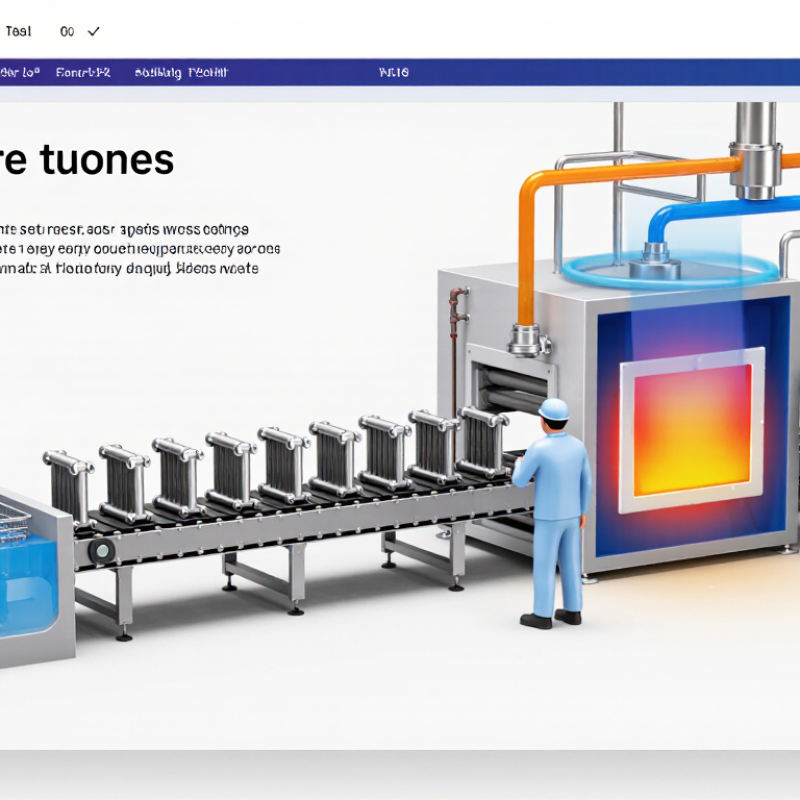
Controlled atmosphere brazing suppliers provide more than a furnace. They help define a process that joins parts with heat and filler metal while limiting oxidation. Support may include furnace selection, alloy recommendations, fixture planning, and temperature-profile development. Fit matters. A supplier may review part drawings, base metals, joint clearances, and production volumes before suggesting equipment. For example, a thin stainless assembly may need a different heating profile from a heavy copper component. Atmosphere controls also matter: gas flow, dew point, and oxygen levels can affect wetting and joint consistency.
Many suppliers offer sample brazing trials, operator training, installation, and maintenance guidance. Trial runs can reveal uneven heating, filler movement, or distortion before production begins. Ask how process records are captured and how alarms, calibration, and routine checks are handled. Some suppliers also help establish inspection criteria, such as visual checks, leak testing, or destructive testing where appropriate. These details support repeatability, but no supplier can remove every process risk. Small details count. A written process window is useful, yet real parts may behave differently from test coupons. Buyers should confirm what support continues after commissioning and which services carry extra cost.
QUICK LINKS
CONTACT US
Office: (+86) 755 23040566
Tel: (+86) 158 9965 5195
E-mail: sale@pcbledmodule.com
Skype: Hans@Rocket-PCB
Whatsapp: 86 1589965 5195
Office Address: 2207,Bid 4,He Gu Shan Hui Cheng,35#,Guang Tian RoYanluo street, Song Gang Town,518105 SHENZHENG, CHINA
Plant ADD.: No 69, Lianfeng North Road, Xianxi Area, ChangAn Town, Dongguan, China.


Copyright © 2025 Rocket PCB Solution Ltd. | All Rights Reserved Sitemap Friendship link: CNC machining heat sink

