

loading

BLOG

What Are the Best Color Carbon Fiber Sheets for Sale?

Color Carbon Fiber Sheets bring a visible finish to a material valued for strength and low weight. Buyers may compare them for vehicle trim, product housings, sporting equipment, or interior details. Yet color alone says little about performance. The resin, fiber weave, sheet thickness, surface coating, and manufacturing quality all matter. Look closely.

Grand View Research reported that the global carbon fiber market was valued at about $5.48 billion in 2023, with projected growth from 2024 to 2030. This figure covers the broader carbon fiber market, not colored sheets alone. That distinction matters: public market reports rarely separate decorative colored panels from other carbon fiber products. A sales claim about “industry growth” cannot confirm a sheet’s quality.

For a practical comparison, check whether the color is integrated into the surface layer or applied as a coating. Ask for clear specifications, consistent color samples, and details about UV resistance and resin compatibility. Inspect the edges, too; uneven layers or exposed fibers can signal poor finishing. Where possible, request a sample and assess it under natural light, since glossy finishes can shift in appearance. A supplier’s technical data sheet is helpful, but it does not replace direct inspection. That part is easy to overlook.

This guide examines the features that make Color Carbon Fiber Sheets worth considering, the trade-offs behind popular finishes, and the questions to ask before buying. It also leaves room for uncertainty: without independent testing, appearance cannot prove durability.
What Are the Best Color Carbon Fiber Sheets for Sale?

What Are Color Carbon Fiber Sheets and How Are They Made?

Color carbon fiber sheets are laminate panels with the familiar woven pattern and a colored finish. The carbon fibers usually remain dark; color comes from tinted resin, colored fiber yarns, or a thin surface layer. Manufacturers lay fabric into a mold, add resin, then cure the stack with controlled heat and pressure. The exact method matters: a translucent tint can keep the weave visible, while an opaque coating may hide it. Look closely at the edges and weave under bright light.

A 2011 life-cycle assessment by S. Das in the International Journal of Life Cycle Assessment estimated conventional carbon-fiber production energy at about 183–286 megajoules per kilogram. This figure concerns fiber production, not the colored sheet alone, and actual impacts vary by process and electricity source. Color does not prove a panel is stronger. Resin type, fiber direction, layer count, and cure quality still govern performance. A glossy surface can also conceal small voids or uneven layers; appearance is not a structural test.

Tips: Ask whether the color is in the resin, yarn, or coating. Request a technical data sheet with thickness, resin system, and test conditions. Check a cut edge for consistent layers. If the color shifts between samples, pause and ask why.

What Are the Best Color Carbon Fiber Sheets for Sale?

Color carbon fiber sheets are composite panels made with carbon-fiber reinforcement and a colored resin or surface layer. The chart shows approximate visible-light wavelength bands associated with common colors—not sheet strength or quality.

How they are made: Carbon-fiber fabric is layered and combined with resin, which may be tinted, or a colored film or coating may be added to the surface. The best sheet depends on its intended use, finish, and required performance; color alone does not indicate strength.

Which Color and Finish Options Are Available?

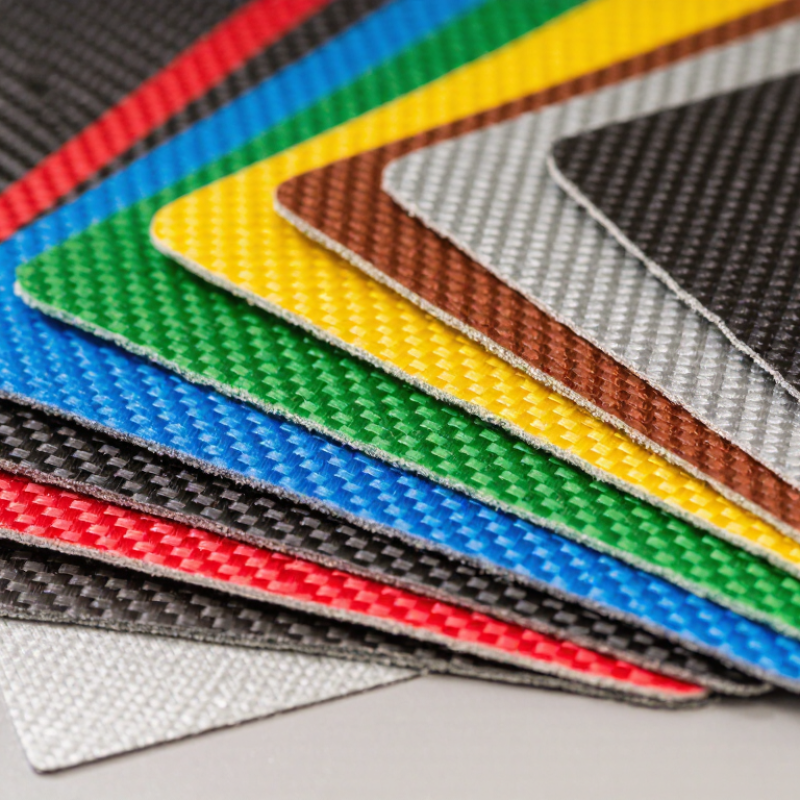
Color carbon fiber sheets come in more than bright red or blue. Depending on the manufacturing process, color may appear in the fibers, resin, or a surface layer. Common choices include red, blue, green, silver, and patterned weaves. Some sheets have a uniform tone; others show a subtle checker pattern beneath a tinted finish. View samples in daylight if possible. Indoor lighting can shift colors noticeably. Small details matter.

Finish changes the look just as much as color. Gloss surfaces reflect sharp highlights and show fingerprints more easily. Satin offers a softer sheen, while matte reduces glare and gives the weave a quieter appearance. Textured finishes can add grip, though they may be harder to clean.

A practical check: inspect the sheet edge and surface under angled light for uneven color or resin marks. Not every imperfection is a defect, but consistency matters when panels sit side by side.

Choose by both appearance and specification. Color and finish alone do not indicate strength; fiber orientation, laminate construction, resin, and thickness affect performance. Confirm the product details for your intended use, and request a small sample before ordering multiple sheets. I would not rely on a screen image alone.

What Properties Matter When Comparing Carbon Fiber Sheets?

When comparing color carbon fiber sheets, look beyond the surface shade. Carbon fiber is naturally dark, so color usually comes from a tinted resin, coating, or decorative outer layer. Ask how the color is produced and whether the sheet is intended for indoor or outdoor use. UV exposure can fade some finishes, while scratches may reveal a darker layer beneath. Check a physical sample under daylight and indoor lighting. Photos can hide subtle shifts in tone. It is easy to overvalue color; that can be a mistake.

Thickness, weave, flatness, and resin quality affect how a sheet performs. Compare stated thickness with your project’s needs, and check whether the edges show fraying or uneven layers. A smooth, consistent surface helps with visible panels, while a clear weave pattern may suit a more technical look. It matters. Ask for tolerances and care guidance, especially if the sheet will be cut or bonded. Not just appearance. Also consider stiffness and weight, but do not assume that a colorful finish signals a stronger sheet. Construction details matter more than the look alone.

How Do Applications Influence the Best Sheet Choice?

A colored carbon fiber sheet should be chosen for the job, not just its appearance. For visible interior trim or display panels, prioritize consistent color, a clean weave, and a finish that suits the lighting. Gloss can make colors look deeper, but it also shows fingerprints and fine scratches. Matte finishes hide some marks. They can look less vivid, though.

For equipment covers or lightweight enclosures, check the sheet’s thickness, laminate construction, and temperature limits against the actual use. A decorative surface does not automatically mean the panel is suitable for carrying loads. If the part will be cut or drilled, ask for machining guidance and inspect a sample edge; exposed fibers may need sealing. Outdoor exposure matters, too. Confirm the material’s UV and moisture performance rather than assuming color stability. Small details can change the choice. Sometimes the sample looks different under workshop lights.

Tips: Match the sheet to its environment and finish requirements. Compare samples under the lighting where the part will be used, and review the supplier’s technical data before specifying thickness or performance. A sample can reveal color and surface quality, but it cannot replace verified test information.

How Can Buyers Evaluate Color Carbon Fiber Sheets for Sale?

When evaluating color carbon fiber sheets for sale, look beyond the surface finish. Ask whether the color comes from pigmented resin, a coating, or colored fibers; each may age differently under sunlight and abrasion. Request a technical data sheet showing thickness tolerance, fiber orientation, resin content, and test results. Check the cut edge, too. Frayed fibers or uneven color can reveal problems hidden by a glossy face. A sample helps, but it may not represent every production batch.

Match test evidence to the intended use. ASTM D3039 tensile data can help compare in-plane strength, while accelerated UV exposure, such as ASTM G154, can indicate finish durability. Ask how color change was measured; ASTM D2244 provides a method for calculating color differences. The U.S. Department of Energy’s lightweight-materials guidance reports that a 10% vehicle weight reduction can improve fuel economy by roughly 6–8%. That figure concerns whole vehicles, not one sheet, but it shows why verified weight and performance data matter. A striking color is not proof of structural quality. I would still check batch consistency—small shade shifts are easy to overlook until panels sit side by side.

What Are the Best Color Carbon Fiber Sheets for Sale? - How Can Buyers Evaluate Color Carbon Fiber Sheets for Sale?

The best sheet depends on its intended use, appearance, and exposure conditions. The comparison below describes common colored-sheet constructions and practical checks; performance varies by manufacturer, resin system, finish, and manufacturing process.

Sheet type or evaluation factor Typical characteristics What buyers should check Potential advantages Limitations or questions
Colored clear-coated carbon fiber A colored transparent finish is applied over the carbon-fiber pattern. Request photos in neutral lighting and confirm whether the finish includes a UV-protective clear coat. Usually keeps the woven pattern visible while adding color. Color and gloss can vary with lighting; ask about coating durability and repair options.
Pigmented-resin carbon fiber Color is provided by pigment in the resin or surface resin layer; the weave may remain visible to varying degrees. Ask whether pigment is throughout the laminate or limited to the surface, and inspect a sample edge. Can produce a consistent color across the visible surface. Pattern visibility and color uniformity depend on the layup and resin process.
Colored gel-coated carbon fiber A colored surface layer covers the laminate; the carbon pattern may be subdued or hidden. Confirm coating thickness, surface finish, edge treatment, and whether the finish is intended for the planned environment. Offers a more uniform, solid-color appearance. A surface coating can chip or scratch; assess the coating separately from the structural laminate.
Color and pattern match Appearance depends on color, weave style, fiber orientation, finish, and lighting. Compare a physical sample with the intended application under both daylight and indoor lighting; confirm allowable color variation. Reduces the risk of mismatch between sample, production sheet, and installed parts. Screen images are not reliable color standards; request an agreed sample or color reference.
Thickness and dimensions Available dimensions and thickness tolerances vary by construction and supplier. Check the stated nominal thickness, tolerance, length, width, flatness, and whether dimensions are finished or cut dimensions. A documented tolerance helps confirm fit and plan machining. Do not assume two sheets with the same nominal thickness have the same stiffness or layer structure.
Construction and mechanical data Stiffness and strength depend on fiber type, fiber orientation, resin, and laminate build. Request the layup or fiber orientation and relevant test data for the required loading direction and application. Supports a more appropriate comparison than appearance or thickness alone. A decorative sheet is not automatically suitable as a load-bearing component.
Outdoor and UV exposure Sunlight can affect resin and coatings; resistance depends on the complete surface system. Ask for the coating or resin’s UV-weathering information and any recommended maintenance. A specified protective finish can help maintain appearance in exposed settings. Do not treat “colored” or “clear-coated” as proof of outdoor durability without supporting data.
Edges, machining, and handling Cutting can expose fibers and may damage the finish if the sheet is not handled appropriately. Confirm whether cut-to-size service is available, how edges are finished, and what machining precautions are recommended. Clear edge and handling requirements help prevent cosmetic damage and rework. Composite machining may create hazardous dust; follow suitable workplace controls and personal protection guidance.
Documentation and sample approval Specifications, inspection records, and samples provide a basis for verifying the delivered sheet. Request a written specification covering material, finish, dimensions, tolerances, and inspection criteria before ordering. Makes supplier comparisons and incoming checks more objective. Verify that documents apply to the quoted construction and finish, not merely to carbon fiber in general.

Practical selection: Choose a finish based on the required appearance and exposure, then verify dimensions, laminate construction, and application-specific test data. Treat supplier specifications and approved samples as the basis for purchase rather than relying on color names or product photos alone.

Chat Online
Chat Online
Leave Your Message inputting...
Thank you for your attention. Please kindly describe your question first, or please send your inquiry to our email sale@pcbledmodule.com, and we will reply to you ASAP. Welcome, what can I help you?
Sign in with: