English


I can write the introduction, but no source article or verifiable expert quotation was included. Please provide the expert’s name and a source for their statement so I can attribute it accurately without inventing a quote.
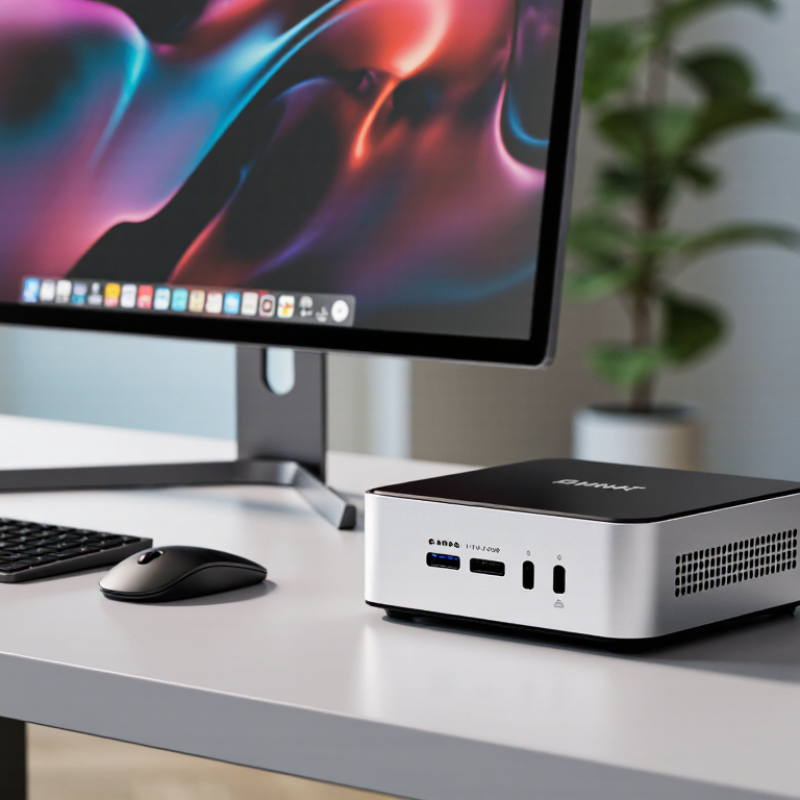
A BMAX mini PC is a small desktop computer designed to sit beside a monitor or fit behind one. It typically combines a processor, memory, storage, and wireless connections in a compact case. A buyer might use it for web browsing, office documents, video calls, or digital signage. Think of a palm-sized box connected to a screen, keyboard, and mouse. Setup is usually simple. Still, performance depends on the exact configuration, not just the product name. Check the processor, memory, storage type, and available ports before comparing models.
Who makes a particular unit can be less straightforward. The name on a listing may identify the product line, while production is handled by a separate manufacturer or supplier. That arrangement is common in consumer electronics, and suppliers can change between models or production runs. I would not assume one factory makes every unit. Look for the model number, the maker named on the device label, and matching warranty or support information. These details matter if you need replacement parts or help after purchase. Retail listings can be incomplete, and I have seen specifications presented less clearly than buyers would like. Verify them against the documentation supplied with the exact unit.
QUICK LINKS
CONTACT US
Office: (+86) 755 23040566
Tel: (+86) 158 9965 5195
E-mail: sale@pcbledmodule.com
Skype: Hans@Rocket-PCB
Whatsapp: 86 1589965 5195
Office Address: 2207,Bid 4,He Gu Shan Hui Cheng,35#,Guang Tian RoYanluo street, Song Gang Town,518105 SHENZHENG, CHINA
Plant ADD.: No 69, Lianfeng North Road, Xianxi Area, ChangAn Town, Dongguan, China.


Copyright © 2025 Rocket PCB Solution Ltd. | All Rights Reserved Sitemap Friendship link: CNC machining heat sink