

loading

BLOG

Top 10 Benefits of Using LED for Recessed Lights in Homes?

The evolution of home lighting has seen remarkable changes, especially with the emergence of LED for recessed lights. As homeowners seek energy-efficient options, LED technology stands out. According to the U.S. Department of Energy, residential lighting consumes about 15% of home energy use. In contrast, LED lighting can reduce this consumption by up to 75%.

Recessed lighting has become a popular choice, as it provides a sleek and modern aesthetic. LEDs offer flexibility in design while enhancing energy savings. The National Electrical Manufacturers Association reports that the demand for LED fixtures has risen significantly, reflecting consumer awareness of their long-term benefits.

Yet, potential buyers may have concerns about upfront costs. While initial investments in LED for recessed lights may be higher, the lifetime savings in energy bills often justify these expenses. The average lifespan of LED lights is estimated at 25,000 hours, significantly outlasting traditional bulbs. These factors highlight the importance of understanding the true value of LED lighting beyond first impressions.
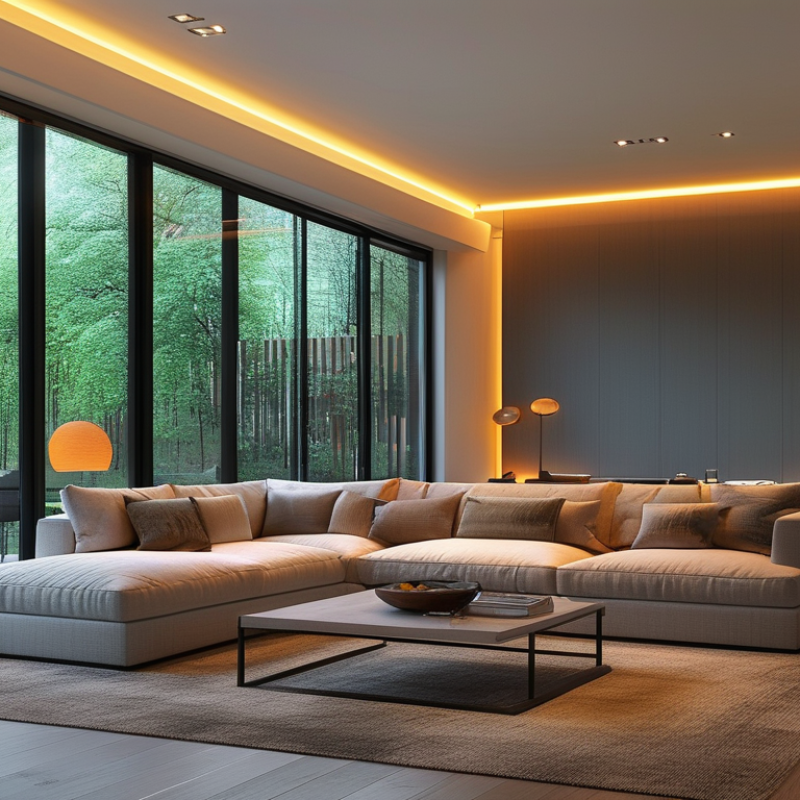
Top 10 Benefits of Using LED for Recessed Lights in Homes?

Advantages of LED Lighting for Recessed Fixtures in Residential Spaces

Recessed lighting has become popular in modern homes. One major reason is the adoption of LED technology. LED lights offer significant advantages for recessed fixtures, impacting both aesthetics and energy efficiency. Research from the U.S. Department of Energy indicates that LED lighting can save households up to 75% on their electricity costs compared to traditional bulbs. This makes them a wise choice for homeowners looking to cut energy bills.

The longevity of LED lights is another important factor. Many LEDs have a lifespan of up to 25,000 hours. This means less frequent replacements, which saves time and money in the long run. However, some homeowners might find the initial installation cost higher than traditional lighting options. It's essential to weigh this against the long-term savings and durability LEDs provide.

Moreover, LEDs emit less heat compared to incandescent bulbs. This can lead to a cooler home environment, especially in warm climates. However, there may be concerns about the color temperature and brightness options available. Homeowners should carefully choose the right LED to match their desired ambiance. Doing so ensures the best experience with recessed lighting in their living spaces.

Energy Efficiency: How LEDs Reduce Electricity Costs

Energy efficiency is a significant advantage of using LED recessed lights in homes. According to the U.S. Department of Energy, LED lighting uses up to 75% less energy than traditional incandescent bulbs. This reduction translates to lower electricity bills, making it an attractive option for homeowners. A typical household can save approximately $225 in energy costs per year by switching to LEDs.

LEDs consume less power while providing the same amount of light. A 10-watt LED produces around 800 lumens, comparable to a 60-watt incandescent bulb. Moreover, LED lights have a longer lifespan. They can last over 25,000 hours, outlasting incandescent bulbs by more than 25 times. Though the initial cost may be higher, the long-term savings and reduced maintenance costs often make LEDs a better choice.

It's essential to consider that not all LED lights are created equal. Some products may not offer the same energy savings. Homeowners should invest time in researching reputable options. Understanding energy ratings and reading reviews can guide informed choices. Despite initial costs or installation challenges, the financial benefits of using energy-efficient LEDs in recessed lighting are compelling for many.

Longevity of LED Bulbs Compared to Traditional Lighting Options

LED bulbs have gained popularity for their impressive longevity compared to traditional lighting options. A typical LED bulb can last up to 25,000 hours. In contrast, an incandescent bulb may only endure about 1,000 hours. This significant difference means fewer replacements and less hassle for homeowners.

Furthermore, LED technology operates cooler than traditional bulbs. This is crucial as heat can reduce a bulb's lifespan. The cooler temperatures help preserve the internal components of the LEDs, maximizing their efficiency. Some users, however, might find the initial cost of LED bulbs higher. While the upfront investment could be daunting, the long-term savings effectively offset this concern.

It's also worth noting that not all LED bulbs are created equal. Quality can vary significantly between manufacturers. Some may not live up to their promised lifespan. Therefore, it’s essential to do research and focus on reputable sources for information. Striking a balance between cost and quality can be challenging but ultimately rewarding. Making informed choices can lead to a more sustainable and cost-effective lighting solution for your home.

Enhanced Lighting Quality and Aesthetics with LED Technology

LED technology has transformed the way we perceive lighting in our homes. One of the key benefits is the enhanced lighting quality it provides. Unlike traditional bulbs, LED lights emit a bright, consistent illumination. This quality of light not only brightens spaces but also enhances colors. You can feel the difference in a living room or kitchen, where vibrant hues make everything more inviting.


Aesthetics are equally improved with recessed LED lights. They create a sleek, modern look, seamlessly blending into ceilings. This minimalistic appearance eliminates bulky fixtures, offering a clean line of sight. However, the initial installation can be tricky. It's essential to get the placement right, or the visual effect can fall flat. Attention to detail during installation is critical to maximize aesthetic appeal.


Moreover, the versatility of LED lights allows for various color temperatures. Choosing a warmer light can create a cozy atmosphere, while cooler lights can energize a workspace. Yet, finding the right balance can be challenging. You might experiment with different shades until you discover what works best for your home. Embracing this technology means fostering an ongoing journey toward perfecting your home’s lighting.

Environmental Impact: LEDs and Their Role in Sustainability

The environmental impact of using LEDs for recessed lighting is profound. LED lights consume up to 75% less energy than traditional incandescent bulbs. According to the U.S. Department of Energy, widespread LED adoption could reduce energy consumption by about 348 terawatt-hours by 2027. This significant drop in energy use means fewer fossil fuels are burned, resulting in lower greenhouse gas emissions.

Furthermore, LEDs have a longer lifespan than traditional lights. They typically last 15,000 to 50,000 hours, compared to just 1,000 hours for incandescent bulbs. This longevity reduces waste and the frequency of replacements, which can be an overlooked aspect of sustainability. However, the production of LED bulbs does involve some risks. They contain small amounts of hazardous materials, like lead. Proper disposal methods are essential to mitigate environmental damage.

In terms of light quality and efficiency, LEDs outperform other lighting options. They provide bright, directed light with minimal heat emission. With reduced heat, homes benefit from lower cooling costs. Still, one must consider the initial costs. While prices have fallen sharply, they can still deter some consumers. Balancing the short-term costs with long-term savings is a challenge worth contemplating.

Conclusion

The use of LED for recessed lights in homes offers numerous advantages that enhance both functionality and aesthetics. One of the primary benefits is energy efficiency; LEDs consume significantly less electricity compared to traditional lighting options, resulting in reduced electricity costs. Additionally, LED bulbs boast a longer lifespan, which not only saves on replacement expenses but also contributes to lower waste.

Beyond practicality, LED technology enhances lighting quality, providing superior brightness and color accuracy, which elevates the overall ambiance of residential spaces. Their versatility allows homeowners to incorporate LED fixtures seamlessly into various design styles, making them a fitting choice for any decor. Furthermore, LEDs have a smaller environmental impact, aligning with sustainability goals by using less energy and reducing greenhouse gas emissions. Overall, the adoption of LED for recessed lights is a smart investment for modern households looking to improve energy efficiency and aesthetic appeal.

Chat Online
Chat Online
Leave Your Message inputting...
Thank you for your attention. Please kindly describe your question first, or please send your inquiry to our email sale@pcbledmodule.com, and we will reply to you ASAP. Welcome, what can I help you?
Sign in with: