5kw vs 10kw Energy Storage System Power What to Choose?
Choosing between a 5kw and 10kw energy storage system power can be challenging. Each option has distinct advantages and potential drawbacks. Understanding your specific energy needs is crucial before making a decision. A 5kw system is often suitable for smaller homes or lower energy demands. It can efficiently provide backup power for essential appliances.
On the other hand, a 10kw system caters to larger households or businesses requiring more substantial energy during peak times. With increased capacity, it allows for greater flexibility. However, the higher cost might raise some concerns. It is vital to analyze your energy consumption patterns and growth plans. Will a 5kw system be enough as your energy needs increase?
Selecting the right system isn’t just about capacity. Installation space, costs, and maintenance also play roles. A detailed assessment can prevent future regrets. Balancing immediate needs with future possibilities is essential. Ultimately, the decision should align with your lifestyle, energy goals, and financial situation with careful consideration of 5kw and 10kw energy storage system power.
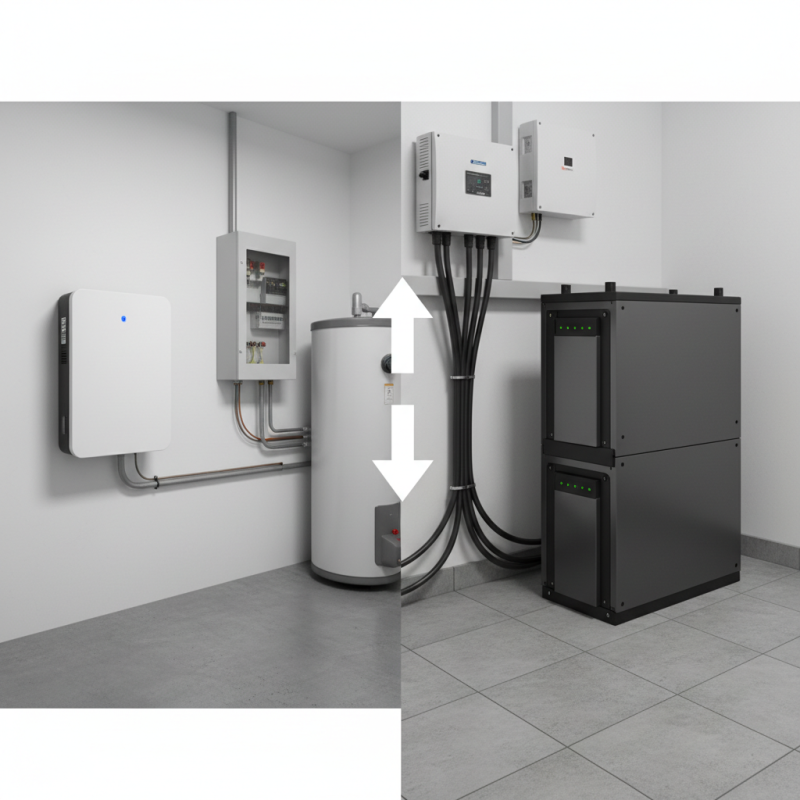
Understanding Energy Storage Systems: 5kW vs 10kW
When choosing between a 5kW and a 10kW energy storage system, several factors demand careful consideration. Understanding the power needs of your home or business is critical. A 5kW system can support basic residential energy demands. It is suitable for smaller households with lower energy consumption. In contrast, a 10kW system can handle more powerful loads. This includes heavy appliances or multiple concurrent usages.
Industry reports suggest that energy consumption patterns are shifting. A study by the International Energy Agency (IEA) indicates that global demand for energy storage solutions is anticipated to grow by 20% annually. Larger systems provide flexibility in usage, particularly during peak hours when energy costs are higher. However, they come with increased initial investment and potential overcapacity for smaller needs.
Installation space can also influence your decision. A 5kW energy storage system requires less physical space and simpler installation. However, if future energy needs are anticipated to increase, investing in a 10kW system might pay off in the long run. Yet, this brings up questions of efficiency and the underutilization of resources if energy consumption does not rise as expected. Balancing immediate needs with long-term goals is essential for making the right choice.
5kW vs 10kW Energy Storage Systems
This chart compares the energy output and usage of 5kW and 10kW energy storage systems across different usage scenarios.
Key Factors Influencing Your Power Needs
Choosing between a 5kW and a 10kW energy storage system is crucial. Your power needs significantly influence this decision. Start by assessing your daily energy consumption. Consider appliances, heating, and cooling systems. If your average use hovers around 25 kWh, a 10kW system may be necessary. However, if your consumption is lower, a 5kW system provides adequate support.
Tips: Monitor your energy usage for a week. This insight helps you decide more accurately. Don't forget to factor in future energy needs. Be mindful of life changes, such as adding new appliances or expanding your family.
Weather conditions also play a role in this choice. In areas with frequent blackouts or erratic utility supplies, a robust system is essential. A 10kW system can provide peace of mind. Yet, overestimating your needs can lead to unnecessary costs. Think about efficiency and budget. A compact and efficient 5kW option might suffice in a stable grid environment. Always weigh the power output against your specific requirements and circumstances, ensuring you make a well-informed decision.
Cost Analysis: 5kW vs 10kW Systems
When considering a 5kW vs. 10kW energy storage system, the cost is a crucial factor. A 5kW system tends to have lower upfront costs. However, the long-term savings may differ. A 10kW system can store more energy, offering higher efficiency for larger households or businesses. Thus, evaluating your specific energy needs is essential.
Tips: Before making a decision, analyze your energy consumption patterns. Estimate your daily energy usage to determine the appropriate system size. A 10kW might seem costlier now, but it can reduce energy bills over time.
Another aspect is installation costs. A 5kW system might be easier to install, saving labor expenses. Consider potential additional costs, such as permits or upgrades to existing electrical systems. Make sure to budget for these variables. Reflect on your energy goals for the future. Will your needs grow, or will they stay the same? A thoughtful approach may save you from future adjustments.
Capacity and Efficiency Considerations
When choosing between a 5kW and a 10kW energy storage system, capacity and efficiency are crucial. The capacity directly affects how much energy can be stored. A 5kW system is suitable for smaller households, while a 10kW option is better for larger homes. More capacity means higher energy demands can be met. This is essential for those who rely heavily on appliances or plan to expand their energy use in the future.
Efficiency matters too. A system's efficiency rating indicates how much energy is stored versus how much is wasted. An inefficient system might save energy but can lead to higher costs over time. Some users have reported a disappointing performance when upgrading from a smaller to a larger system, which can be discouraging. It’s wise to look closely at your energy consumption patterns before deciding.
Reflecting on your needs is vital. Take into account your budget, space, and energy goals. Consider how often you plan to use stored energy. Sometimes, a 5kW system may seem adequate initially but could fall short during peak usage. Balancing capacity and efficiency is not always straightforward. Users often find themselves reevaluating their choices after installation, wishing they had considered a larger system from the start.
Applications and Use Cases for Each System Size
When choosing between a 5kw and a 10kw energy storage system, consider your specific needs. A 5kw system often suits smaller homes or low-energy usage applications. It can handle basic household appliances, lighting, and charging electric vehicles. Meanwhile, a 10kw system caters to larger households or businesses with higher energy demands. Such systems support multiple appliances simultaneously and can even power heating or cooling systems.
Tips: Evaluate your energy consumption. Families with increased energy use will benefit more from a 10kw system.
For those in rural areas, a 5kw system can be ideal. It provides essential power without overwhelming energy needs. However, businesses looking to expand may wish to invest in a 10kw system as a buffer against future growth.
Tips: Assess potential growth. If you expect to increase your energy usage, a 10kw option could save you money later.
Ultimately, your choice should reflect your consumption patterns and future plans. A careful analysis will lead to a more informed decision for your energy storage needs.
5kw vs 10kw Energy Storage System Power: What to Choose? - Applications and Use Cases for Each System Size
| Dimension | 5kW Energy Storage System | 10kW Energy Storage System |
| Typical Use Case | Small residential setups | Medium to large homes or small commercial spaces |
| Capacity (kWh) | 25 kWh - 30 kWh | 50 kWh - 60 kWh |
| Cost Estimate | $5,000 - $7,000 | $10,000 - $15,000 |
| System Footprint | Compact, suitable for limited spaces | Requires more space, but still manageable |
| Ideal for Backup Power | Essential loads only (lights, fridge) | Supports more appliances (heating, cooling) |
| Charging Speed | Moderate speed | Faster charging capability |
| Lifespan | approximately 10-15 years | approximately 10-15 years |