English


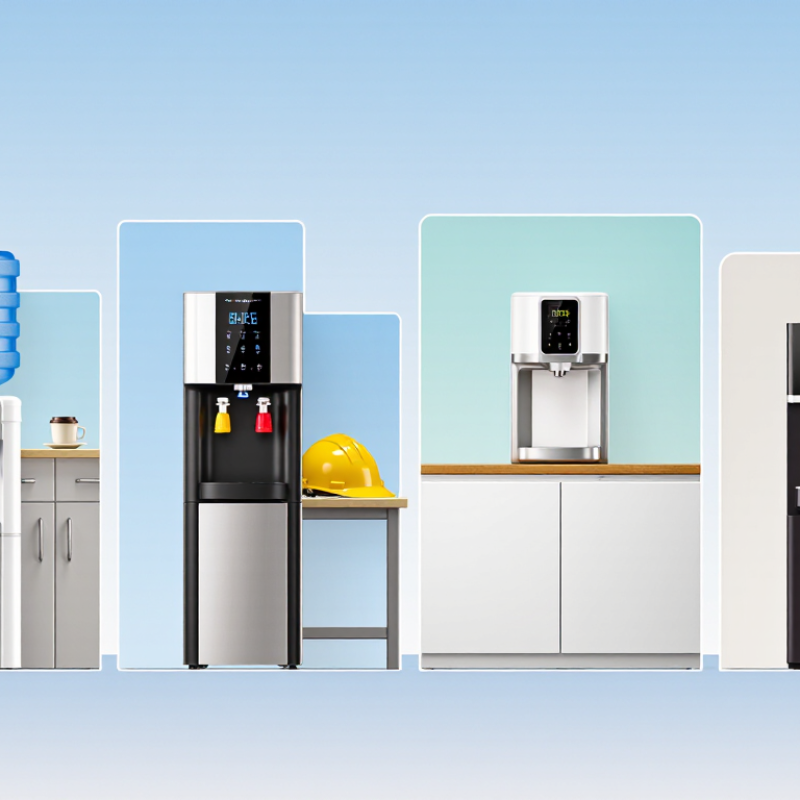
Choosing a Water Cooler Machine in 2026 means matching the equipment to real daily use, not simply comparing prices. Global buyers may consider bottled dispensers, bottleless point-of-use units, countertop models, and freestanding machines. Each suits a different setting. A compact office pantry has different needs from a busy factory break room or a hotel lobby.
The right choice depends on water access, user volume, installation space, and preferred temperatures. Check whether the machine provides hot, cold, or ambient water, and note its output rate and storage capacity. A crowded workplace may need fast dispensing and a larger reservoir. A small reception area may benefit from a slim footprint. That matters. Small details count.
Reliable evaluation also means looking beyond product photos. Review manufacturer specifications, filter replacement intervals, cleaning instructions, warranty terms, and service availability in the destination market. Confirm that claimed certifications apply to the exact model and are relevant to the buyer’s region. Ask suppliers for documentation when a listing is unclear. A label alone is not proof.
There is a catch. No single design works everywhere, and published performance figures may not reflect local water conditions or heavy use. This guide compares key machine types and practical selection factors, while recognizing that some choices require careful verification. Better questions lead to better purchases.
2026 Top Water Cooler Machine Types for Global Buyers
Bottled coolers use replaceable water containers and need no permanent water connection. They work well where plumbing is unavailable or installation needs to stay flexible. A delivery schedule and storage space for full bottles are essential. Check bottle-loading height, drip-tray capacity, and how easily the unit can be cleaned. The trade-off is ongoing handling. Keep spare bottles nearby.
Point-of-use coolers connect to a building’s water supply and may filter water near the dispenser. “Plumbed-in” describes this fixed connection, so the terms can overlap. Compare models by their filtration stages, required water pressure, and service access, not just by category name. A technician should confirm the connection and placement before installation. Small details matter.
Tips: Measure the route from the water line to the cooler. Check filter replacement intervals and the cost of routine servicing. If the water source varies, confirm that the selected filtration system suits it; one setup may not fit every site. Water quality should be assessed, not guessed.
| Type | Water supply | How it works | Installation requirements | Routine servicing | Best suited to | Key considerations |
|---|---|---|---|---|---|---|
| Bottled water cooler | A replaceable, sealed water bottle, commonly loaded on top of or inside the cabinet. | Water feeds from the bottle into the cooler’s dispensing system. Hot and cold functions depend on the model. | Usually needs a suitable floor or counter space and an electrical outlet for models with powered heating or cooling. No fixed water-line connection is required. | Replace bottles as needed; clean and sanitize user-contact points and water-contact parts according to the manufacturer’s instructions. | Locations without a convenient water connection, temporary workspaces, and sites where a portable setup is useful. | Requires bottle storage and handling. Water availability depends on delivered or locally sourced bottles; bottle size and fit vary by model and market. |
| Point-of-use (POU) cooler | A building’s pressurized water supply, connected through a water line. | Water is supplied on demand. Depending on the model and configuration, it may pass through a particulate, carbon, or other treatment stage before dispensing. | Needs access to a suitable water connection and, for powered heating or cooling, an electrical outlet. Installation may require a shutoff valve and leak-protection measures. | Replace filters at the intervals specified for the filter and local water conditions; inspect connections and clean the dispensing area as instructed. | Regular-use offices, schools, and other sites with a reliable water connection and demand that makes bottle handling inconvenient. | Filter type and treatment performance vary. Confirm water quality, connection compatibility, filter availability, and service access before purchase. |
| Plumbed-in cooler | A fixed connection to the building’s water supply. | Supplies water through a permanent line rather than a replaceable bottle. Many products described as plumbed-in are POU coolers. | Requires a compatible water line, suitable installation location, and electrical supply when the unit has powered temperature control. Professional installation may be appropriate. | Follow the manufacturer’s schedule for filter changes, sanitation, and checks of the water line and fittings. | Permanent installations with consistent use, where a direct water connection is practical. | “Plumbed-in” describes the connection method; it is generally not a separate supply category from POU. Verify installation, filtration, and maintenance details for the specific unit. |
Note: Point-of-use (POU) and plumbed-in commonly refer to water coolers connected directly to a building’s water supply. Features, filtration, capacity, and servicing requirements vary by model and local conditions.
QUICK LINKS
CONTACT US
Office: (+86) 755 23040566
Tel: (+86) 158 9965 5195
E-mail: sale@pcbledmodule.com
Skype: Hans@Rocket-PCB
Whatsapp: 86 1589965 5195
Office Address: 2207,Bid 4,He Gu Shan Hui Cheng,35#,Guang Tian RoYanluo street, Song Gang Town,518105 SHENZHENG, CHINA
Plant ADD.: No 69, Lianfeng North Road, Xianxi Area, ChangAn Town, Dongguan, China.


Copyright © 2025 Rocket PCB Solution Ltd. | All Rights Reserved Sitemap Friendship link: CNC machining heat sink