
2026 Top Trends in Flexible Printed Circuit Board Technology?
As the Flexible Printed Circuit Board (FPCB) industry evolves, new trends emerge. Experts like Dr. Emily Chen, a leading authority in FPCB technology, emphasize that "innovation in flexibility will define the future of electronics." This statement captures the essence of where the industry is headed.
In 2026, several key trends are expected to shape the landscape of FPCBs. The increasing demand for miniaturization in electronic devices drives advancements. Manufacturers are focusing on creating thinner, lighter circuits while maintaining performance. Moreover, the integration of advanced materials is essential. They not only enhance durability but also improve conductivity.
However, challenges remain. Many manufacturers struggle to balance cost and innovation. The rapid pace of technology may leave some behind. It's critical for companies to adapt quickly and effectively. Otherwise, they risk becoming obsolete in this fast-paced market. With expert insight and continuous innovation, the future looks promising for the Flexible Printed Circuit Board sector.

Current Innovations in Flexible Printed Circuit Board Materials
Flexible printed circuit boards (FPCBs) are experiencing significant advancements in material innovation. According to industry reports, the global FPCB market is projected to grow from $19.59 billion in 2022 to $27.70 billion by 2027. This anticipated growth is fueled by the increasing demand for lightweight, compact, and efficient electronic devices.
Recent innovations focus on materials that enhance flexibility and durability. Polyimide remains a top choice, valued for its thermal stability. Recent developments in thermoplastic polyurethane (TPU) offer improved elasticity and resistance to wear. These materials can reduce the weight and size of electronic components, making them more efficient for modern applications. However, challenges remain in achieving optimal adhesion between layers and improving moisture resistance.
Conductive inks are also evolving, leading to new possibilities. Silver nanowire inks and carbon-based inks have shown promise. These alternatives can lower costs and improve the environmental impact. Nonetheless, there are still concerns regarding their long-term stability and conductivity. Overall, while the advancements in FPCB materials are promising, the path forward includes addressing persisting issues to fully harness their potential in the electronics industry.
Advancements in Manufacturing Processes for Flexible PCBs
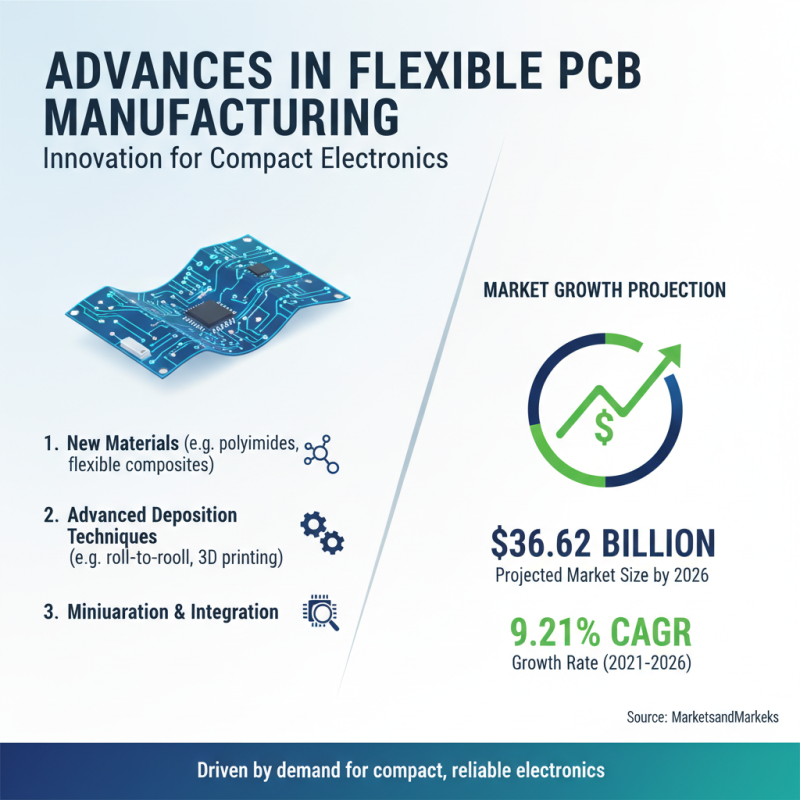
The flexible printed circuit board (FPCB) industry is experiencing significant advancements in manufacturing processes. Innovations are driven by the demand for compact electronic devices. Flexible PCBs offer a unique combination of flexibility and reliability, making them ideal for various applications. According to a report from MarketsandMarkets, the flexible PCB market is projected to reach $36.62 billion by 2026, increasing at a CAGR of 9.21%.
One notable advancement is the shift towards automated manufacturing techniques. Automation reduces production times and minimizes human error. Manufacturers are increasingly adopting laser drilling and precision etching methods. These technologies enhance the accuracy of components and allow for tighter tolerances. Despite these advancements, challenges remain in achieving uniform quality across large production runs.
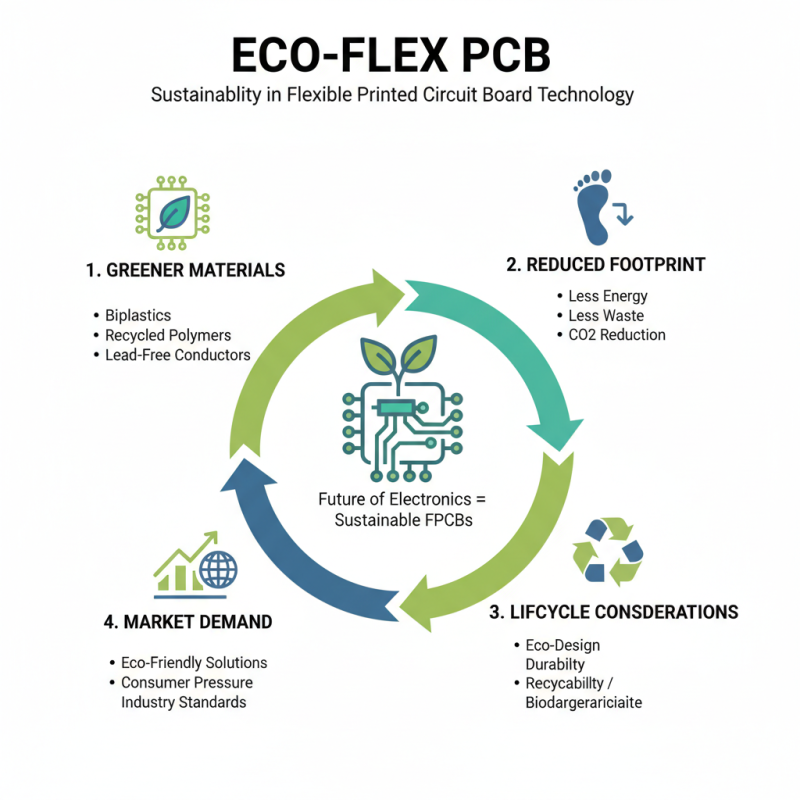
Moreover, sustainable practices are gaining traction in FPCB manufacturing. Companies are exploring eco-friendly materials and recycling methods. A survey from the flexible electronics community highlighted that 47% of companies plan to invest in sustainable materials by 2025. Balancing sustainability with cost-effectiveness is a pressing concern. The industry must find viable solutions that do not compromise performance. The evolution of manufacturing processes is crucial for meeting future demands.
Emerging Applications of Flexible Printed Circuit Boards in Different Industries
Flexible printed circuit boards (FPCBs) are transforming various industries. Their unique design allows for remarkable flexibility and lightweight applications. In healthcare, FPCBs are crucial for wearable devices. They enable continuous monitoring of patient vital signs. This real-time data can significantly improve patient care.
In the automotive sector, FPCBs are enhancing vehicle technology. They are key components in advanced driver-assistance systems (ADAS). These systems rely on precise sensors and cameras. As vehicles become smarter, the demand for FPCBs will only grow. Yet, manufacturers face challenges in ensuring durability under harsh conditions.
The consumer electronics market is also witnessing innovation through FPCBs. Smartphones and tablets are becoming thinner and more compact. FPCBs allow for intricate designs that save space. However, issues like heat dissipation need careful consideration. Balancing performance and reliability remains a critical focus.
2026 Top Trends in Flexible Printed Circuit Board Technology
This chart shows the projected market growth rates for flexible printed circuit boards across various industries in 2026. The consumer electronics sector is expected to see the highest growth, driven by demand for innovative devices, while the aerospace sector shows more modest growth.
Impact of Miniaturization on Flexible PCB Design and Functionality
The push for miniaturization in technology has significantly influenced flexible printed circuit board (FPCB) design and functionality. With consumer electronics demanding smaller and lighter devices, engineers must rethink traditional PCB layouts. This results in more compact and intricate designs. According to a recent industry report, the global FPCB market is expected to grow to $19.7 billion by 2026, driven by this trend.
Designers now use advanced materials and techniques to optimize space. This often means incorporating multi-layer boards, which can support more functions without increasing size. For instance, the integration of thinner substrates allows for tighter bending radii. However, tighter designs can lead to challenges in thermal management and signal integrity. These are critical factors that can impact performance.
As the demand for miniaturized devices rises, it raises concerns about reliability. Smaller components may lead to higher stress levels during assembly and usage. Research indicates that failure rates in miniaturized circuits can be up to 30% higher compared to traditional designs. This highlights the need for rigorous testing and validation processes. Balancing miniaturization while maintaining functionality is a complex but necessary endeavor.